Air travel is an integral component of global connectivity, business logistics, and personal exploration. As the aviation industry evolves, so does the range of flight options available. From swift domestic hops to opulent intercontinental journeys, the types of flights have diversified to meet every traveler’s needs. In this guide, we explore the intricate landscape of air travel options, offering insights that ensure informed, optimized decision-making for any itinerary.
Domestic Flights: The Backbone of Regional Connectivity
Domestic flights are confined within the boundaries of a single nation. They serve as a critical infrastructure for intercity movement, especially in vast countries like the United States, Canada, or India. These flights are typically short-haul, often lasting between 1 to 4 hours.
The convenience of bypassing customs and immigration, coupled with simpler security protocols, makes domestic flights a go-to choice for business travelers and short-term tourists. Despite their relative simplicity, they are susceptible to demand-driven price fluctuations. Budget carriers dominate this segment, offering competitive pricing with fewer frills.

International Flights: Bridging Continents and Cultures
International flights involve crossing one or more national borders. They are central to global commerce, diplomacy, tourism, and migration. These long-haul flights often require more documentation, such as passports and visas, and entail extended security and customs checks.
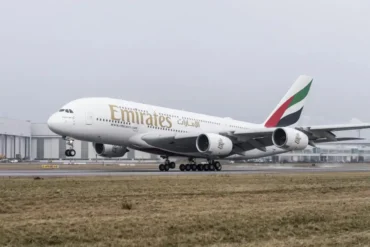
Leading global airlines such as Qatar Airways, Emirates, Singapore Airlines, and Lufthansa have set high benchmarks in international service standards. They offer amenities including multilingual crew, region-specific meals, and enhanced entertainment systems. However, the extended flight durations and higher costs demand deliberate planning and sometimes, strategic scheduling.
Non-Stop Flights: Direct Routes for Efficiency
Non-stop flights are designed for maximum time-efficiency. These flights proceed directly from origin to destination without layovers, saving travelers the logistical strain of switching terminals or catching connecting flights.
Particularly favored by corporate travelers and families, non-stop flights reduce the overall travel time substantially. Airlines tend to charge a premium for this convenience, but the trade-off is often justified, especially for long-distance international travel.

Connecting Flights: Economical Yet Time-Consuming
When direct routes are unavailable or cost-prohibitive, connecting flights serve as an effective alternative. These flights include at least one stop at an intermediate airport, where passengers switch planes to continue their journey.
While they require more time and present a risk of missed connections, connecting flights are usually more affordable. Travelers can even use long layovers to explore a new city temporarily, a perk for the adventurous. Airlines such as Turkish Airlines and KLM often offer extended layover options with incentives like free hotel stays or city tours.
One-Way Flights: Flexibility Without Commitment
A one-way flight takes you from point A to B without requiring a return booking. These tickets are ideal for travelers relocating, embarking on extended backpacking trips, or students studying abroad.
Although convenient, they can be more expensive on a per-leg basis compared to round-trip tickets. Budget-savvy travelers should compare prices and consider flight aggregators to ensure the best value.
Round-Trip Flights: Economical and Structured
Round-trip flights cover both outbound and return journeys. Airlines incentivize such bookings by offering discounted bundled fares, which are generally cheaper than booking two separate one-way tickets.
This type is favored by vacationers, business personnel with fixed schedules, and organizations managing corporate travel. The main trade-off is reduced flexibility. Rescheduling or canceling any leg often incurs change fees or penalties.

Charter Flights: Personalized Luxury for Private Groups
Charter flights break away from conventional airline schedules. They are booked for exclusive use—either by corporations, sports teams, government delegations, or high-net-worth individuals.
Offering total control over departure times, destinations, and onboard service, charter flights represent the pinnacle of personalized air travel. This level of exclusivity comes at a cost, often running into tens of thousands of dollars per journey, depending on aircraft type and distance.
Budget Flights: Affordable Options With Trade-offs
Budget flights, operated by low-cost carriers like Ryanair, Spirit Airlines, and AirAsia, have revolutionized air travel accessibility. By unbundling services (charging for luggage, seat selection, and meals), these airlines deliver ultra-low base fares.
However, hidden costs can quickly inflate the final price. Budget flights are ideal for short-haul trips and minimalist travelers who prioritize price over comfort. It’s essential to read the fine print and pre-book extras when necessary.

Premium Flights: Enhanced Experience Across Classes
Modern air travel offers multiple classes to cater to diverse passenger expectations:
Premium Economy: A mid-tier option with wider seats, extra legroom, and enhanced dining. Ideal for travelers seeking comfort without the high price tag of business class.
Business Class: Designed for professionals, it includes lie-flat seats, airport lounge access, priority boarding, and gourmet meals. Airlines like ANA and Cathay Pacific are renowned for their business class services.
First Class: The epitome of luxury. Features include private suites, personal concierge services, gourmet à la carte dining, and dedicated showers or spas on select aircraft.
Premium flights offer unmatched comfort, but the price-to-value ratio must be assessed based on trip length and purpose.
Red-Eye Flights: Strategic Scheduling for Time Optimization
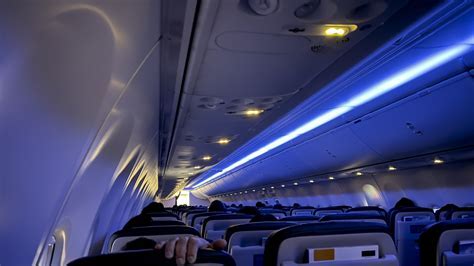
Red-eye flights take off late at night and arrive early the next morning. Often used for coast-to-coast travel or cross-time zone movement, these flights maximize daytime utility at the destination.
Though generally cheaper, red-eyes can be physically taxing due to sleep disruption. Choosing airlines with better reclining seats and sleep kits can mitigate fatigue. These flights are particularly useful for executives attending morning meetings or tourists who wish to squeeze an extra day into their itinerary.
Choosing the Right Type of Flight
Selecting the right flight type involves aligning your priorities—be it cost, comfort, schedule, or destination complexity. For domestic short trips, budget or non-stop options may suffice. For long-haul travel, premium economy or business class could significantly improve your journey.
Travel management platforms like Itilite streamline the process by offering real-time comparisons, travel policy adherence, and centralized bookings. Leveraging such tools ensures efficient planning, budget control, and stress-free execution.
FAQs
What is the difference between a non-stop and direct flight?
A non-stop flight travels from departure to destination without any stops, while a direct flight may make stops but retains the same flight number. Passengers may or may not need to change aircraft during a direct flight.
Are budget flights safe compared to full-service airlines?
Yes, budget airlines adhere to the same safety regulations as full-service carriers. The cost difference comes from reduced amenities, not compromised safety standards.
Why are one-way tickets sometimes more expensive than round-trip fares?
Airlines incentivize round-trip bookings to ensure seat occupancy on both legs. One-way tickets lack this strategic advantage, often leading to relatively higher pricing.