Understanding the Types of Hydraulic Oil
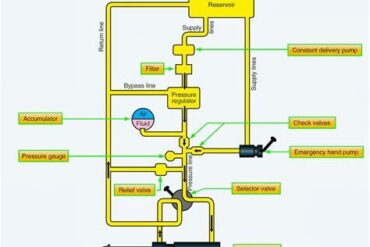
In modern industry, hydraulic systems form the backbone of essential operations across construction, aviation, manufacturing, agriculture, and mining. At the heart of these systems is hydraulic oil — a complex, high-performance fluid engineered to transfer power, cool machinery, lubricate components, and seal moving parts. The functionality and longevity of any hydraulic system hinge upon the correct selection of hydraulic oil, making an in-depth understanding of its classifications and properties a matter of operational success and equipment durability.
Hydraulic oils are formulated from a blend of base oils and specialized additives. These additives enhance key attributes such as viscosity, thermal resistance, anti-wear performance, and oxidation stability, depending on the end-use requirements. The classification of hydraulic oils falls into three primary categories based on base oil composition: mineral-based, synthetic-based, and vegetable-based oils. Each category is uniquely suited to specific industrial environments and regulatory expectations.
Mineral-Based Hydraulic Oils
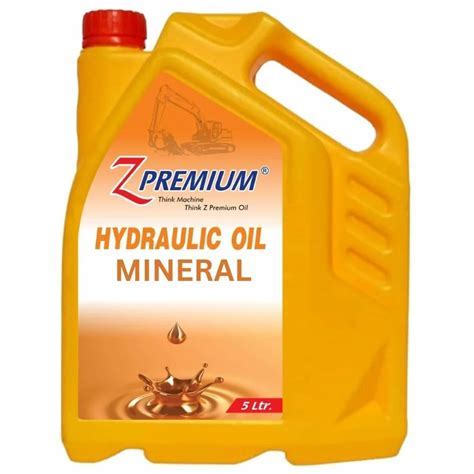
Mineral hydraulic oils, derived from refined petroleum, remain the most widely used type due to their cost-effectiveness, readily available supply, and established performance record. These oils are further broken down into:
-
Solvent-refined oils: Traditional formulations that provide moderate thermal stability and lubrication.
-
Hydrocracked oils: Advanced versions with reduced sulfur impurities, leading to better oxidation resistance and longer service life.
Mineral oils often include anti-wear additives such as zinc dialkyldithiophosphate (ZDDP), which provide a protective film between metal surfaces under high pressure. This characteristic makes them especially suitable for stationary hydraulic systems, such as those found in industrial presses and machine tools.
However, despite their advantages, mineral oils are less environmentally friendly and can struggle under extreme temperature conditions, which limits their utility in sensitive or high-performance environments.
Synthetic-Based Hydraulic Oils
Synthetic hydraulic oils are engineered from chemically modified base stocks, designed to enhance critical properties such as fluid stability, lubricity, thermal performance, and biodegradability. These oils are typically used where extreme operating conditions or regulatory compliance necessitate a step up from mineral formulations.
Phosphate Ester-Based Oils
Renowned for their fire resistance and thermal stability, phosphate esters are frequently used in aerospace, nuclear plants, and steel mills. Despite their impressive high-temperature tolerance, these oils come with trade-offs:
-
Low viscosity index may reduce efficiency at lower temperatures.
-
Toxicity and material compatibility issues with certain elastomers and paints.
Polyol Ester-Based Oils
Favored for superior lubrication, low pour points, and environmental friendliness, polyol esters offer excellent oxidation stability. These characteristics make them ideal for marine hydraulic systems, mobile equipment, and high-altitude aircraft systems.
Water-Glycol Hydraulic Fluids
Designed to offer non-toxicity and fire resistance, water-glycol fluids are used in systems operating under strict fire prevention protocols, such as in foundries and aluminum casting operations. However, their drawbacks include:
-
Narrow operating temperature range.
-
Corrosive potential to some metal alloys.

Vegetable-Based Hydraulic Oils
With growing environmental awareness and regulatory pressure, vegetable-based hydraulic oils have gained attention as biodegradable, renewable, and non-toxic alternatives. Derived from plant sources such as rapeseed, sunflower, or soybean, these oils offer:
-
High viscosity index, ensuring consistent flow across a wide temperature range.
-
Excellent lubrication and oxidation stability due to natural esters.
-
Sustainability, making them ideal for use in forestry, agriculture, and municipal maintenance equipment.
However, they are sensitive to oxidative degradation, particularly at high temperatures, and may require frequent filtration or stabilization through advanced additive packages.

Application-Specific Hydraulic Oil Types
The performance requirements of hydraulic oil vary dramatically depending on the application, leading to the development of special-purpose fluids optimized for operational constraints, safety standards, and environmental regulations.
Biodegradable Hydraulic Oils
These oils are tailored for use in mobile and stationary systems operating in ecologically sensitive zones, such as waterways, construction sites, and protected lands. Formulated to rapidly degrade without leaving toxic residues, they are indispensable in machinery used in land reclamation, dredging, and pipeline construction.
Fire-Resistant Hydraulic Oils
Fire hazards in high-temperature environments require hydraulic fluids with built-in resistance to ignition. Common fire-resistant fluids include:
-
HFA (High water content fluids)
-
HFC (Water-glycol solutions)
-
HFD (Synthetic, fire-resistant fluids such as phosphate esters)
Each offers a balance between thermal resistance, lubrication, and safety for industries such as metalworking, power generation, and mining.
Food-Grade Hydraulic Oils
In food processing, beverage production, and pharmaceutical industries, hydraulic oils must comply with stringent safety standards like ISO 21469, BRC, HACCP, and EHEDG. These NSF H1-approved fluids are formulated to prevent contamination while maintaining oxidation resistance, corrosion protection, and compatibility with food-grade elastomers.

Aircraft Hydraulic Oils
Aviation environments demand hydraulic oils capable of withstanding extreme altitudes, rapid pressure changes, and combustion risks. These specialized fluids often combine fire resistance, low-temperature operability, and thermal stability. Common formulations include MIL-PRF-5606, Skydrol, and Hyjet, each specified for civilian or military use.
Agricultural Hydraulic Oils
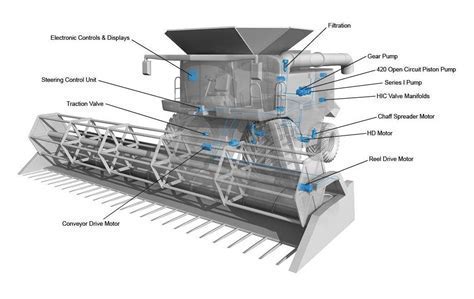
In the agricultural sector, hydraulic oil requirements focus on power transfer, wear protection, and resistance to moisture ingress. These oils are different from tractor transmission fluids, offering improved oxidation stability and filterability essential for harvesters, plows, and sprayers.
Critical Selection Criteria for Hydraulic Oils
To ensure optimal system performance, longevity, and compliance, several physical and chemical properties must be evaluated when selecting a hydraulic oil:
-
Viscosity: The most critical performance metric, it determines how well the oil flows at various temperatures. Hydraulic oils are available in monograde and multigrade variants.
-
Density: Higher density helps in contaminant control and load-carrying capacity.
-
Anti-wear properties: Additives prevent metal-to-metal contact, reducing friction and wear.
-
Thermal and oxidative stability: Ensures performance across extended service intervals and under thermal stress.
-
Compatibility: Must align with seal materials, metals, and system pressure requirements.
Proper maintenance, filter integrity, and periodic oil analysis are necessary to validate performance and prevent system failures due to degradation or contamination.
Frequently Asked Questions (FAQ)
What is the difference between mineral and synthetic hydraulic oil?
Mineral hydraulic oils are derived from crude oil and offer cost-effectiveness and reliable performance under standard operating conditions. Synthetic oils, however, are chemically engineered to provide better stability, lubricity, and extreme-temperature performance, making them suitable for more demanding applications.
Can I use biodegradable hydraulic oil in any hydraulic system?
Not always. While biodegradable oils are environmentally friendly, they may not be compatible with certain seal materials, metals, or operating temperatures. Always consult the equipment manufacturer’s guidelines before switching to a biodegradable fluid.
Why is viscosity important in hydraulic oil?
Viscosity affects fluid flow, seal integrity, and component lubrication. Too low a viscosity may cause leaks and metal wear, while too high a viscosity can reduce system efficiency and cause pump cavitation, especially in cold conditions. Selecting the right viscosity ensures optimal performance and longevity.