In recent years, drones have evolved into highly specialized tools with varying functionalities across multiple industries. From aerial photography to surveying vast landscapes, the drone industry has made significant strides in terms of technology and usability. This article will delve into the four primary drone types: Multi-Rotor Drones, Fixed-Wing Drones, Single-Rotor Drones, and Hybrid VTOL Drones. We will explore their design, advantages, disadvantages, and best-use cases to help you make an informed decision on which drone best suits your needs.
Multi-Rotor Drones
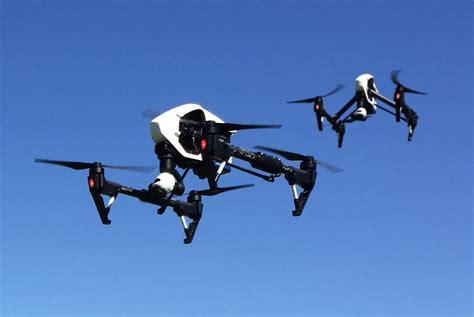
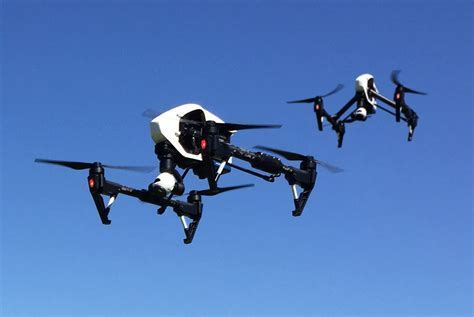
Multi-rotor drones are perhaps the most recognized in the drone world, especially for those new to UAV technology. These drones are characterized by multiple rotors (typically between 3 and 8), with the most common being the quadcopter design featuring four rotors. Multi-rotor drones are often chosen for their agility, ease of use, and affordability, making them ideal for a wide range of tasks.
Advantages:
- Easy to Control: Multi-rotors are stable and easy to operate, even for beginners. Their ability to hover in place and adjust altitude quickly makes them highly versatile in various environments.
- Precise Maneuvering: With excellent control over position and movement, these drones excel in aerial photography and video, enabling close-up shots in tight spaces.
- Versatility: Due to their small size and ability to hover, multi-rotor drones are particularly useful in confined areas such as industrial inspections, surveying, or even indoor mapping.
Disadvantages:
- Limited Flight Time: Due to their reliance on electric power, multi-rotor drones have relatively short flight times, typically ranging from 20 to 30 minutes with a standard payload.
- Limited Payload Capacity: While these drones are great for lightweight cameras or sensors, they struggle to carry heavier payloads, which limits their use for certain industrial applications.
- Inefficiency: Multi-rotors are inefficient in terms of energy consumption. Their constant need to fight gravity with high-speed rotor movements makes them less suitable for long-range or endurance flights.
Best Uses:
- Aerial photography and videography
- Visual and thermal inspections
- Surveying and mapping of small to medium-sized areas
Fixed-Wing Drones
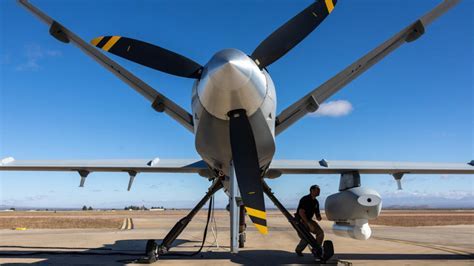
Fixed-wing drones represent a completely different approach to flight. These drones are designed much like traditional airplanes, relying on rigid wings to generate lift. Unlike multi-rotors, fixed-wing drones do not rely on rotors for vertical lift but instead use forward thrust to stay aloft. This design provides greater energy efficiency, longer flight times, and the ability to cover larger areas.
Advantages:
- Longer Flight Duration: Fixed-wing drones typically offer much longer flight times, ranging from one to several hours, thanks to their ability to glide and rely on forward momentum.
- Greater Range and Speed: These drones can cover vast areas at relatively high speeds, making them suitable for large-scale mapping or long-distance surveys.
- Better for Large-Scale Applications: Fixed-wing drones excel in tasks that require surveying or mapping large areas, such as environmental monitoring, agriculture, and infrastructure inspections.
Disadvantages:
- Requires Large Takeoff and Landing Areas: Unlike multi-rotors, fixed-wing drones cannot hover and need a runway or launch pad to take off and land.
- Less Maneuverable: Fixed-wing drones are less agile in tight spaces and cannot perform the same type of close-quarters maneuvers as multi-rotor drones.
- Training Required: Operating a fixed-wing drone requires a higher level of skill and training, particularly in takeoff and landing procedures.
Best Uses:
- Aerial mapping and surveying of large areas
- Environmental monitoring and agricultural inspections
- Infrastructure and pipeline inspections
Single-Rotor Drones
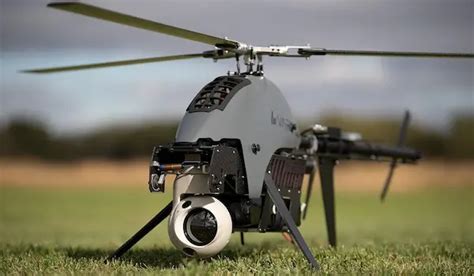
Single-rotor drones, often resembling helicopters in design, feature one large rotor for lift and a tail rotor for stability and direction control. These drones combine the hovering capabilities of multi-rotors with the endurance and efficiency typically associated with fixed-wing designs.
Advantages:
- Increased Efficiency: Single-rotor drones are more energy-efficient than multi-rotors, especially when gas-powered, as they generate lift using larger, more efficient blades.
- Longer Flight Times: Due to their aerodynamic design and ability to generate lift more efficiently, these drones can stay in the air for longer durations compared to multi-rotors.
- Higher Payload Capacity: Single-rotor drones are better equipped to carry heavier payloads, making them suitable for industrial applications requiring equipment like LIDAR scanners or cameras.
Disadvantages:
- Mechanical Complexity: These drones are often more complex to operate and maintain. Their mechanical components require regular upkeep to ensure safe flight.
- Vibration Issues: Single-rotor drones can generate vibrations that may affect flight stability, especially during heavy payload operations.
- Safety Concerns: The large spinning blades can be hazardous, and operators need to be cautious when in proximity.
Best Uses:
- Aerial LIDAR laser scanning
- Heavy-duty aerial surveying
- Carrying large or sensitive payloads
Hybrid VTOL Drones
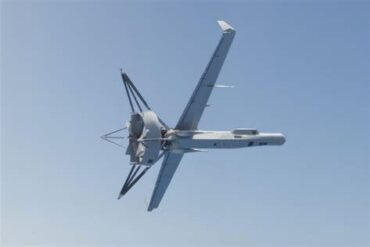
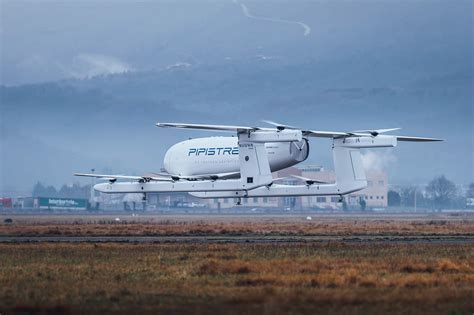
The Hybrid VTOL (Vertical Take-Off and Landing) drone is a cutting-edge innovation that merges the benefits of both fixed-wing and rotorcraft designs. These drones incorporate rotors that allow them to take off and land vertically while also being capable of efficient forward flight like a traditional fixed-wing aircraft. While still in the developmental phase, hybrid VTOL drones hold immense potential for a variety of applications.
Advantages:
- Versatile Flight: Hybrid VTOL drones combine the best of both worlds. They can hover like a multi-rotor but also cover large distances like a fixed-wing drone.
- No Need for Runways: These drones do not require long takeoff or landing areas, making them ideal for urban or remote applications.
- Autonomous Capabilities: Hybrid VTOL drones often feature autopilot systems that can handle the complexities of both vertical and forward flight, making them more user-friendly.
Disadvantages:
- Emerging Technology: Hybrid VTOL drones are still relatively new to the market, and as such, they may not yet be as refined as other types of UAVs.
- Limited Availability: Few models are currently available for commercial use, and they can be quite expensive.
Best Uses:
- Drone delivery systems (e.g., Amazon Prime Air)
- Long-endurance surveillance
- Aerial mapping with VTOL capabilities
Conclusion
Selecting the right drone depends on your specific needs and requirements. Multi-rotor drones are perfect for small-scale, precise tasks like aerial photography or close-up inspections. Fixed-wing drones offer unmatched endurance and range, making them ideal for large-scale surveying and environmental monitoring. Single-rotor drones provide a blend of efficiency and payload capacity, perfect for industrial use, while hybrid VTOL drones promise the flexibility of vertical and forward flight with a wide range of applications in the future.
As drone technology continues to evolve, we can expect to see even more specialized drones entering the market, each designed to solve unique problems across various industries. Regardless of your industry or application, understanding these drone types will ensure that you are making the most informed decision about the tools you use for aerial operations.