Definition
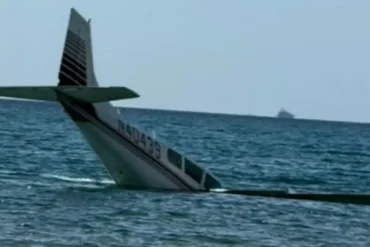
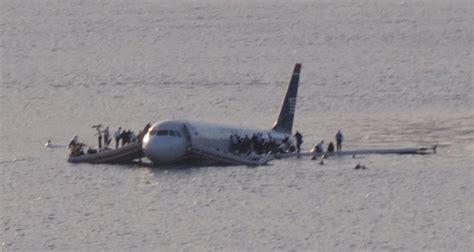
Ditching refers to the controlled emergency landing of an aircraft on water. This maneuver is both challenging and dangerous, often only considered when no other options are available. For example, a fixed-wing aircraft may need to ditch due to an onboard fire, fuel exhaustion, or structural failure. Even in calm waters, smaller aircraft might not stay upright, while larger ones risk structural damage upon impact. Survivors face risks like hypothermia, especially in cold conditions.
Scenarios
A controlled ditching may be necessary when losing control of the aircraft becomes imminent. In multi-engine planes, this can happen if more than half of the engines fail due to various reasons, such as fuel contamination or bird strikes. Other potential triggers include uncontrollable fires or structural issues. For helicopters over water, indications of power failure also call for immediate landing.
Considerations and Techniques for Ditching a Fixed Wing Aircraft
Here are some key techniques and considerations that apply to nearly any fixed-wing aircraft during a ditching scenario:
Facilitating Rescue After Ditching
-
Position: Send out location coordinates repeatedly as you descend. If possible, activate emergency locator transmitters (ELTs) before impact. Ensure your transponder is set correctly.
-
Shipping: Your chances of survival improve with quick rescue. Try to ditch near ships, landing slightly ahead to allow them time to slow down.
-
Aircraft: Other planes may follow you down and maintain contact with both you and air traffic control until they reach their limits.
Achieving the Ditching Power On
If given a choice, ditching with power on is preferable. It provides better control over descent and touchdown points. Reducing aircraft weight by burning off fuel can help keep the plane afloat longer, facilitating evacuation.
Configuration
-
Gear: Keep the landing gear up for optimal ditching configuration.
-
Flaps: Maximum flap deployment is usually recommended to lower approach speed, but sometimes an intermediate setting can enhance visibility and reduce required rotation.
Passenger Safety in Propeller-Driven Aircraft
If possible, move passengers away from seats aligned with the propellers. A power-on approach can cause propellers to break apart upon touchdown, posing a risk to those seated nearby.
Flight Envelope Protection
With all engines off, fly-by-wire aircraft may lose flight envelope protection. It’s crucial to control airspeed carefully during the final approach.
MAYDAY Calls
Make distress calls on all appropriate frequencies. If in radar coverage, a MAYDAY on ATC frequency is essential. Provide as much relevant information as possible, especially your position.
Direction of Ditching
Choose the best direction for ditching. In confined spaces, like rivers, this is straightforward. In open water, consider sea state and wind direction. In ideal conditions, land into the wind to minimize impact speed. If the swell is significant, you may need to ditch along it, accepting a higher touchdown speed.
Lighting
Use internal and external lights wisely at night. Minimize flight deck lighting to enhance visibility outside, as excessive lights can create visual illusions.
Buoyancy Measures
Close all valves below the expected waterline after ditching. Some aircraft have a ‘Ditching Push Button’ to minimize water entry.
Emergency Generator
If equipped with a Ram Air Turbine (RAT), it should deploy automatically if all engines fail, providing necessary power for controls.
High Wing Aircraft Considerations
High-wing aircraft may settle lower in the water, complicating evacuation. Avoid removing roof escape hatches before ditching to prevent water ingress.
Final Approach Rate of Descent
If power is available, use it to control descent rate. If not, glide at the best speed and flare just above the water. Remember to avoid stalling upon touchdown.
Brace for Impact
At around 200 feet, announce “Brace Brace” to alert everyone of the impending impact. Cabin crew should be prepared to assist passengers.
Touchdown
Aim for a pitch angle of about 10 degrees nose-up during touchdown. Ensure wings are level to prevent cartwheeling. Expect multiple touchdowns, with the second likely being more violent.
Shutdown Procedures
Shut down engines upon touchdown and activate fire suppression systems once the aircraft stops.
Cabin Preparation
Secure loose items and brief passengers on exits. Don life jackets but do not inflate until outside the aircraft. If life rafts are available, prepare them for use.
The Evacuation
Once stopped, begin evacuation. The aircraft will likely be nose-up, making rear doors unusable. Take survival gear and link rafts together for better visibility to rescuers.
Post Ditching Survival
Many aspects of survival depend on previous actions. Training helps with landing, but strong leadership and mental resilience are vital for survival in unfamiliar and potentially hostile environments. Factors like water temperature, wind, and physical condition will affect the chances of survival, making swift rescue crucial.