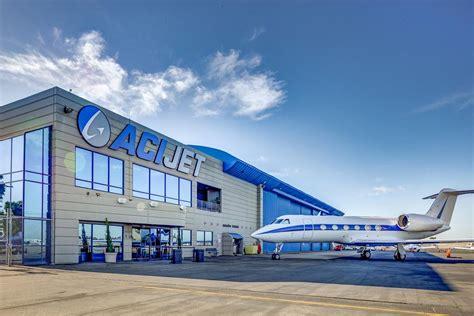
In the aviation industry, Fixed Base Operators (FBOs) represent the cornerstone of private and commercial aviation services at airports. While the term might sound highly technical to the uninitiated, within aviation circles, it signifies a vital entity offering operational support to aircraft owners, pilots, and passengers alike. The abbreviation FBO, standing for Fixed Base Operator, is more commonly used in the United States, but its role spans internationally across both major international airports and smaller municipal fields.
FBOs are commercial enterprises granted permission by an airport to operate on its premises and provide a comprehensive suite of aviation services, ranging from fueling and hangar space to passenger amenities and aircraft maintenance. This article dives deep into what defines an FBO, its history, how it functions, and why it continues to be indispensable to aviation infrastructure.
The Core Function of FBOs
At its heart, an FBO serves as an aviation service center that facilitates smooth ground operations for aircraft. Their core offerings typically include:
- Fuel services (Jet A and Avgas)
- Aircraft parking and hangarage
- Maintenance and repair operations (MRO)
- Flight planning rooms
- Passenger lounges and pilot facilities
- Concierge and ground transportation support
Unlike the commercial terminals used by airline passengers, private and charter flights rely heavily on FBOs for all logistical support upon landing or prior to takeoff.
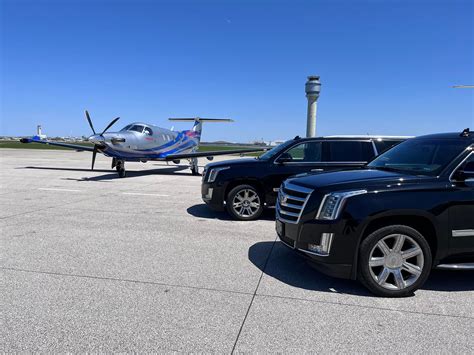
These facilities not only enhance operational efficiency for general aviation but also offer a superior level of service that aligns with the exclusivity expected by private jet clientele. In many ways, an FBO can be likened to a high-end service hub, not unlike a luxury pit stop for aviation.
Historical Evolution of FBOs
The origins of FBOs trace back to the post-World War I era. After the armistice in 1918, the skies were flooded with surplus military aircraft, and former military pilots began flying them commercially or recreationally. These “barnstormers” often operated without fixed locations or regulatory oversight, leading to an unstructured environment.
The landscape shifted with the passing of the Air Commerce Act of 1926, which mandated licensing for pilots and certification for aircraft. As regulations tightened, aviation service providers needed a permanent presence at airfields to comply with new safety and maintenance standards. Thus, the term “Fixed Base Operator” was coined to differentiate these established businesses from the transient barnstormers.
Over the decades, the FBO business matured into a robust ecosystem—standardizing safety, improving services, and shaping the way general aviation operates today.
How Does an FBO Operate?
An FBO functions under a lease or license agreement with the airport. This agreement grants it the legal right to occupy and use airport facilities in exchange for providing services that support aviation operations. These services are customized based on the scale of the airport, the demographics of users, and the types of aircraft served.
When a pilot lands at an airport with an FBO, the experience typically begins on the apron (or ramp). An FBO line technician will marshal the aircraft into its parking spot, place chocks under the wheels, and initiate services like refueling and baggage handling.
Once inside the FBO terminal, both pilots and passengers can access a variety of facilities. Pilots might head to a flight planning room, equipped with weather briefings and navigation tools, while passengers might enjoy lounges, refreshments, or car rentals.

What makes FBOs particularly valuable is their ability to cater to unique client needs. Whether it’s providing crew cars, arranging hotel bookings, or securing limousine transfers, high-tier FBOs ensure every aspect of ground support is seamless.
Signature Flight Support – The Industry Leader
Among the largest and most prominent FBO chains globally is Signature Flight Support. With over 200 locations worldwide, it has become synonymous with premium aviation support services. Signature’s reach and scale allow it to maintain consistent service standards, making it a trusted name among executive pilots and aviation departments.
Other notable FBO brands include Atlantic Aviation, Jet Aviation, and ExecuJet, each catering to a variety of markets with their own set of amenities and support infrastructure.
Comprehensive Services Offered by FBOs
The scope of services provided by FBOs can vary significantly depending on the facility’s size, customer base, and geographic location. However, some of the most commonly encountered services include:
Fueling:
Fuel remains the primary revenue stream for many FBOs. Most facilities offer Jet A (for turbine engines) and 100LL Avgas (for piston engines). Fueling is conducted by trained personnel, and many high-traffic locations even provide into-plane fueling with self-service options.
Aircraft Maintenance and Repair:
Larger FBOs offer maintenance, repair, and overhaul (MRO) services, including engine diagnostics, avionics upgrades, and airframe inspections. This ensures that both Part 91 and Part 135 operators can maintain airworthiness compliance.
Aircraft Detailing and Lavatory Services:
Aesthetic maintenance is often overlooked but vital. FBOs can handle aircraft cleaning, lavatory dumping, and water servicing—services critical for long-haul, multi-leg flight comfort.
Hangar and Parking:
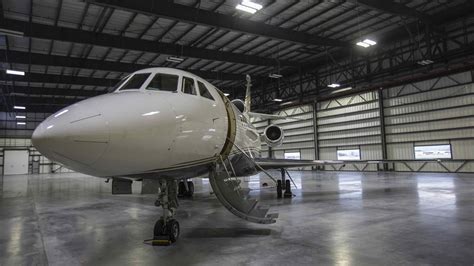
Temporary or overnight parking is almost always available, but hangar space must often be reserved. Hangars are climate-controlled and monitored, offering protection from environmental damage and increasing security assurance.
Passenger and Crew Amenities:
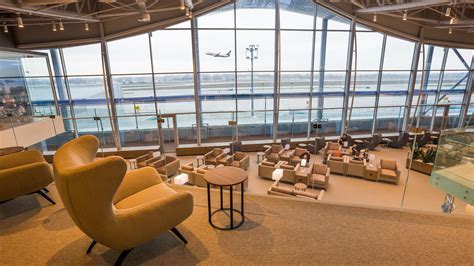
Top-tier FBOs offer lavish amenities including:
- Conference rooms
- Private lounges with Wi-Fi and entertainment
- Catering and beverage services
- Pet accommodations
- Crew rest areas and showers
Do All Airports Have FBOs?
While not every airport has a full-scale FBO, most commercial and general aviation airports with regular traffic will have at least one. Major hubs often support multiple competing FBOs, allowing customers to choose based on pricing, loyalty programs, or specific services.
Conversely, smaller regional airports might only offer limited ground services, with an airport authority or third-party vendor managing basic fueling and parking. Therefore, pilots are encouraged to call ahead or check the airport’s NOTAMs (Notice to Airmen) for FBO availability and hours.
The Arrival Experience at an FBO
For first-time travelers flying private or general aviation, arriving at an FBO is a distinctly different experience than passing through commercial terminals. Upon arrival:
- Line staff guide the aircraft to a designated ramp spot.
- Chocks and cones are placed for safety.
- Refueling and service preferences are confirmed.
- Passengers are welcomed inside for check-in.
- Crew members can relax, refresh, and plan for the next leg.
In many cases, a crew car or rental can be arranged on the spot. Some locations even offer priority customs clearance and immigration support for international flights.
Why FBOs Matter in Modern Aviation
The increasing demand for business aviation, especially in post-pandemic travel trends, has thrust FBOs into the spotlight. As more high-net-worth individuals, corporations, and medical flight services opt for private travel, FBOs are not just optional—they are strategic infrastructure assets.
From ensuring aircraft readiness to offering unmatched comfort and convenience, the modern FBO is a far cry from the early barnstorming shacks of the 1920s. Their evolution reflects not only the maturation of aviation but also the expectations of today’s discerning flyers.
FAQs
What does FBO stand for in aviation?
FBO stands for Fixed Base Operator. It is a company that has been granted rights by an airport to operate and provide services such as fueling, parking, aircraft maintenance, and passenger amenities.
Are FBOs only for private jets?
No. While FBOs are primarily used by private jets and general aviation aircraft, they also support charter flights, medical transport, cargo, and sometimes military or commercial overflow operations.
How do pilots choose an FBO?
Pilots often choose based on fuel pricing, available amenities, location on the airfield, and customer service reputation. Apps like ForeFlight and AirNav are used to compare FBO offerings and book services in advance.