In aviation and flight simulation, “turn base” is a critical phrase that plays a key role in managing the orderly flow of air traffic during the landing phase. Especially in platforms like Infinite Flight, understanding this term helps virtual pilots respond to Air Traffic Control (ATC) commands more accurately and realistically. Misunderstanding or misinterpreting such commands can not only disrupt traffic sequencing but also result in ATC violations or inefficient approaches. This article provides a comprehensive explanation of what “turn base” means, its context within the air traffic pattern, its real-world application, and common misconceptions—particularly among newer pilots.
What Does “Turn Base” Really Mean?
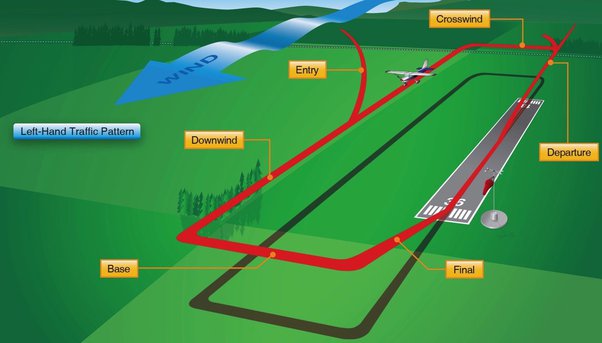
In air traffic control terminology, “turn base” refers to the moment when an aircraft flying in the downwind leg of a traffic pattern is instructed to make a 90-degree turn toward the runway, effectively entering the base leg. This is the second-to-last phase before the aircraft turns final for landing. When ATC issues a “turn base” instruction, it is a signal that the aircraft can now start its transition from downwind to base, ultimately lining up for final approach.
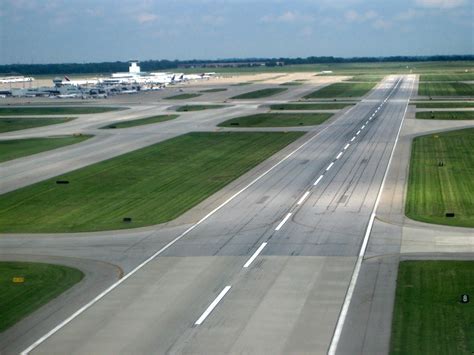
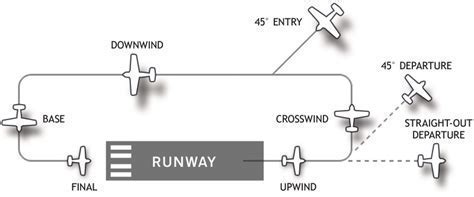
The downwind leg runs parallel to the runway but in the opposite direction of landing. The base leg, on the other hand, is perpendicular to the runway, forming an L-shaped turn that positions the aircraft to align with the final approach course. The sequence goes as follows:
- Downwind: Parallel to the runway, opposite direction.
- Base: 90-degree turn from downwind.
- Final: Final alignment with the runway for landing.
The Purpose of the “Turn Base” Command in ATC Sequencing
The primary function of the “turn base” command is traffic sequencing. In busy airspaces or when several aircraft are inbound, controllers need a mechanism to create space between planes, prevent conflicts, and ensure safe landings. By instructing a pilot to “extend downwind” or by issuing “I’ll call your base,” ATC gains flexibility to insert another aircraft into the landing sequence without compromising safety.
When ATC says, “I’ll call your base,” it means the pilot must maintain their downwind heading until further notice. This helps controllers delay the turn and stretch the arrival sequence. Only when they are ready to fit the aircraft into the flow will they issue the “turn base” command. It’s a dynamic orchestration of timing and spacing.
Flexibility in Pattern Entry: Left or Right Downwind?
One common question among novice pilots, particularly in flight simulators, is whether aircraft should always enter from the same side of the pattern. The truth is, ATC has the discretion to mix left and right traffic patterns, depending on the airport configuration, wind direction, and traffic volume. An aircraft may be sequenced into either a left or right downwind pattern.
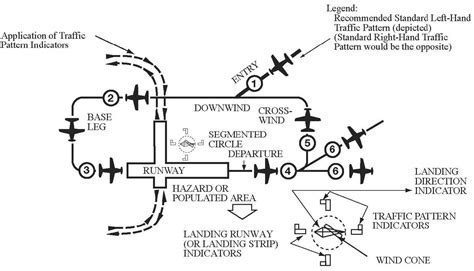
Whether on left or right downwind, the command “turn base” functions identically. From a procedural standpoint, both patterns mirror each other. The only variation lies in the direction of the turns:
- Left traffic pattern: All turns are made to the left.
- Right traffic pattern: All turns are made to the right.
This flexibility enables controllers to accommodate various runways and airspace designs efficiently.
Common Misconceptions and Pilot Errors
Among flight simulator users, and even occasionally in real-world training, the term “turn base” is sometimes misunderstood. Some pilots erroneously believe that it implies an immediate landing clearance, or that it’s optional when not preceded by “I’ll call your base.” In fact, a “turn base” instruction is always a directive and must be followed promptly, unless safety or flight path conflicts exist.
A frequent misconception is that if ATC does not say “I’ll call your base” first, then the pilot is free to turn whenever they like. While “I’ll call your base” is useful for managing timing, it is not required before issuing “turn base.” The latter command can be given at any moment on downwind if the controller sees an opportunity to sequence the aircraft without delay.
Another error is ignoring the command altogether, leading to extended downwinds that disrupt pattern flow and provoke controller frustration. Failing to turn base when instructed not only causes inefficiencies but can result in being reported or removed from a multiplayer session in simulators like Infinite Flight.
Phraseology in Context: A Closer Look at ATC Communication
The clarity and consistency of phraseology in aviation are non-negotiable. Terms like “turn base” are part of a standardized lexicon designed to reduce ambiguity. In virtual ATC environments, the importance of this standardization is magnified due to the limited visual cues and increased reliance on text or voice commands.
Let’s analyze a typical interaction:
Controller: “N812FD, extend downwind, I’ll call your base.”
Pilot: “Extending downwind, N812FD.”
(Several seconds or minutes later…)
Controller: “N812FD, turn base.”
Pilot: “Turning base, N812FD.”
Here, the coordination hinges on sequencing precision, with the controller monitoring spacing and issuing the turn at the ideal moment. Each command serves a distinct purpose and must be acknowledged and followed without improvisation.
Application in Infinite Flight and Other Simulators
In Infinite Flight, a highly realistic mobile flight simulator, proper use of ATC commands is vital for immersive and cooperative gameplay. The “turn base” instruction in this environment carries the same implications as in real-world flying. Adhering to the command flow not only prevents violations but enhances the realism of the session.
New players often struggle with pattern work, especially in the Training Server where ATC may be less experienced or precise. Still, it’s essential to recognize that the pattern sequence is built on discipline. Misunderstanding basic commands like “turn base” can lead to chaotic airspace and diminished quality of service.
Strategies for Mastering the Pattern
Pilots looking to improve their proficiency with pattern instructions should focus on memorizing the leg sequences and their corresponding commands. Visual aids, such as printed diagrams or HUD overlays, can assist with situational awareness. Repetition through practice flights, ideally with a mentor or within a Virtual Airline (VA), reinforces muscle memory and decision-making skills.
Key tips for mastering “turn base” and pattern work:
- Always identify your current leg in the pattern.
- Know whether the airport is using left or right traffic.
- Anticipate your turn base based on sequencing; don’t turn early.
- Always acknowledge ATC instructions promptly and accurately.
Conclusion: Why “Turn Base” Matters More Than You Think
The “turn base” command is far more than a simple directional prompt—it is a critical instrument in air traffic sequencing and approach management. Whether in a simulator like Infinite Flight or real-world towered airports, this instruction represents the delicate balance between efficiency and safety. Understanding its function, timing, and execution can drastically improve both individual pilot performance and the overall flow of traffic.
By respecting pattern protocols, engaging with ATC appropriately, and continuing to study realistic flight procedures, pilots gain not only compliance but also confidence. The skies—real or simulated—are governed by shared understanding, and the term “turn base” stands as a cornerstone of that agreement.