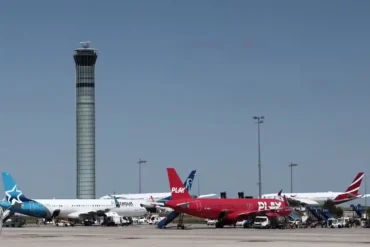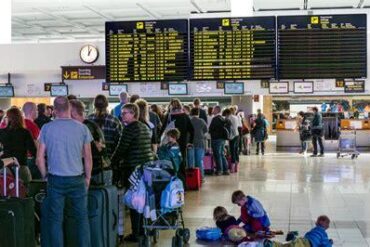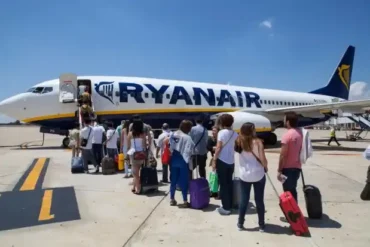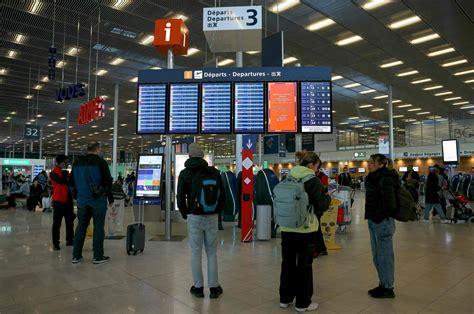
The early days of July 2025 have seen the European travel sector thrown into disarray, as French air traffic control (ATC) strikes severely disrupted flights to, from, and over France. The strikes, which occurred on July 3 and 4, were a direct response to worsening working conditions and chronic understaffing within France’s critical air navigation system. As a result, thousands of flights were delayed, rerouted, or outright canceled, rippling across major European carriers and leaving passengers stranded across multiple airports.

The Immediate Impact on European Airlines
EasyJet Faces Major Financial Losses
EasyJet, a dominant low-cost carrier in Europe, was among the hardest hit. According to CEO Kenton Jarvis, the airline faced significant operational breakdowns due to the sudden strikes, which he described as “unacceptable”. The carrier canceled hundreds of flights, particularly between the UK, France, and other European destinations, leaving passengers scrambling to find alternatives. Jarvis highlighted that these disruptions were not only an inconvenience but carried a direct financial burden. The strikes cost EasyJet approximately £15 million in disruption-related expenses. This financial strain compounded the £10 million the airline had already absorbed due to rising fuel costs earlier in the quarter.
Nevertheless, EasyJet reported a pre-tax profit of £286 million between April and June 2025, reflecting resilient demand bolstered by the timing of the Easter holiday and an improvement in operational metrics. Yet, the strike exposed vulnerabilities in its network efficiency, sparking internal discussions on strategic responses to future labor unrest.
Ryanair’s Disruptions and Demand for Regulatory Intervention
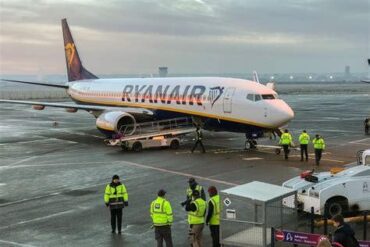
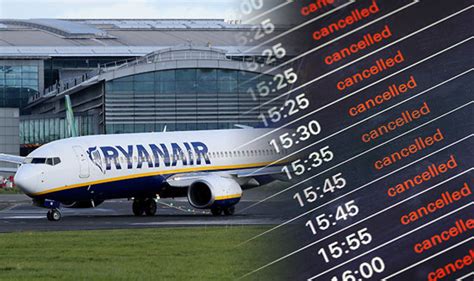
Similarly, Ryanair, Europe’s largest airline by passenger volume, saw approximately 170 flight cancellations over the two-day strike period, affecting close to 30,000 passengers. CEO Michael O’Leary strongly condemned the situation, criticizing both the French Government and the European Commission for their inaction. O’Leary pointed out that this strike marked the 41st instance of French ATC industrial action since 2009, an unsustainable pattern that he claimed risked paralyzing European aviation during critical travel periods.
Ryanair has called for the EU to introduce a more robust, passenger-first framework, demanding that flights not destined for France be allowed to transit its airspace without disruption. The airline emphasized that even overflights were affected, compounding the operational impact on the entire European network. Despite these significant setbacks, Ryanair’s underlying demand remained strong, cushioning some of the financial damage sustained during the disrupted week.
French Government Response: A Fragile System Exposed
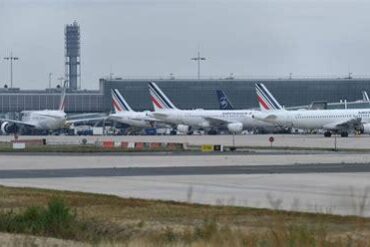
The French Civil Aviation Authority (DGAC) responded by mandating airlines to cut 40% of flights at pivotal hubs such as Paris Charles de Gaulle and Orly Airport on July 4. This measure aimed to prevent gridlock in national airspace and limit the safety risks posed by an overstretched ATC workforce. Nonetheless, severe delays and last-minute cancellations persisted, especially for carriers attempting to reroute flights through already congested alternative corridors.
These strikes shed light on the longstanding fragilities within the French ATC network, including chronic staff shortages and outdated infrastructure. French authorities admitted to these systemic shortcomings but have struggled to implement significant reforms. Over the past decade, intermittent strikes have disrupted European travel repeatedly, emphasizing France’s critical role in continental air navigation.

Passenger Experience: Advice Amid the Chaos
With French ATC workers signaling the possibility of further industrial actions in the coming weeks, passengers planning to travel through or over France are advised to stay alert and adopt a proactive approach.
Monitor Flight Status Constantly
Travelers should monitor their flight status via airline apps, official websites, and airport notifications. Both EasyJet and Ryanair, as well as Air France, have established live updates and real-time advisories for affected travelers. Immediate communication channels are critical to rebooking options and navigating alternative routes in case of sudden cancellations.
Compensation Rights and Refund Policies
Under EU regulation EC 261/2004, passengers are entitled to compensation in case of cancellations or long delays unless the airline can prove the disruption was caused by ‘extraordinary circumstances’. While strikes often fall under this category, recent rulings have nuanced the application, so passengers are encouraged to lodge formal compensation requests through customer service platforms.
For passengers whose flights were significantly delayed or canceled outright, refunds or alternative transport arrangements should be offered promptly. In cases where airlines deny claims citing extraordinary circumstances, consulting legal advice or using passenger rights organizations may yield better outcomes.
Importance of Travel Insurance
Purchasing comprehensive travel insurance remains advisable during periods of industrial instability. Many policies now explicitly cover strike-related disruptions, providing reimbursement for unused accommodations, missed connections, and alternative transportation bookings. Travelers should carefully scrutinize policy terms to ensure adequate coverage against unforeseen cancellations or delays caused by labor actions.
Broader Implications for European Aviation
The July 2025 disruptions have reignited calls across the aviation industry for a structural overhaul of French ATC systems. Industry leaders argue that without prompt upgrades to staffing levels and modern navigation technologies, France risks being a perpetual chokepoint in Europe’s airspace. Analysts warn that recurring ATC strikes compromise not only commercial revenues but also emergency response capabilities, especially during peak travel seasons.
As the European summer season reaches its zenith, the ripple effects of France’s fragile ATC structure are likely to persist unless decisive interventions are introduced. Passengers face not just logistical headaches but also potential financial losses if the operational unreliability continues unabated.
Key industry figures, including Ryanair’s O’Leary and EasyJet’s Jarvis, have intensified lobbying efforts directed at the European Commission, urging for a continent-wide airspace management strategy that minimizes the dependence on national-level ATC operations, particularly from historically strike-prone countries like France.
Looking Forward: Planning Amid Uncertainty
With negotiations between French ATC unions and government officials showing little concrete progress, travelers are urged to plan contingencies. Considering alternative transport modes, such as international trains or ferries where feasible, may help mitigate last-minute travel disruptions. Moreover, choosing airlines with flexible booking policies can provide some safety net should airspace access be restricted again.
Ultimately, the July 2025 French ATC strike crisis serves as a reminder of the vulnerability embedded in Europe’s air navigation architecture. Until systematic reforms are implemented, both airlines and passengers must brace for potential future disruptions, adjusting their travel strategies to navigate this increasingly turbulent operational landscape.