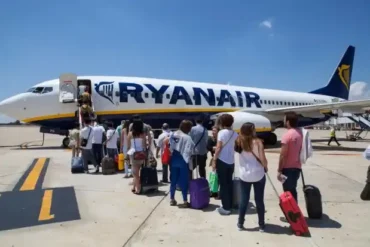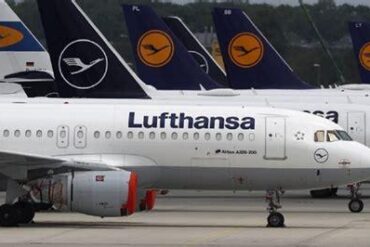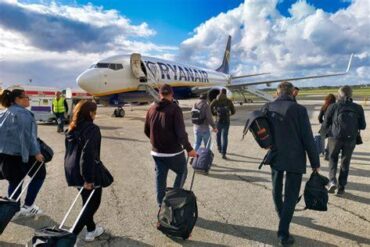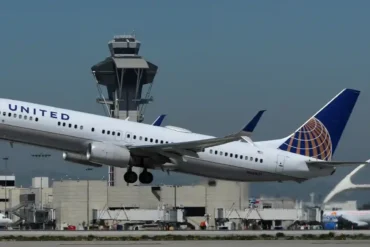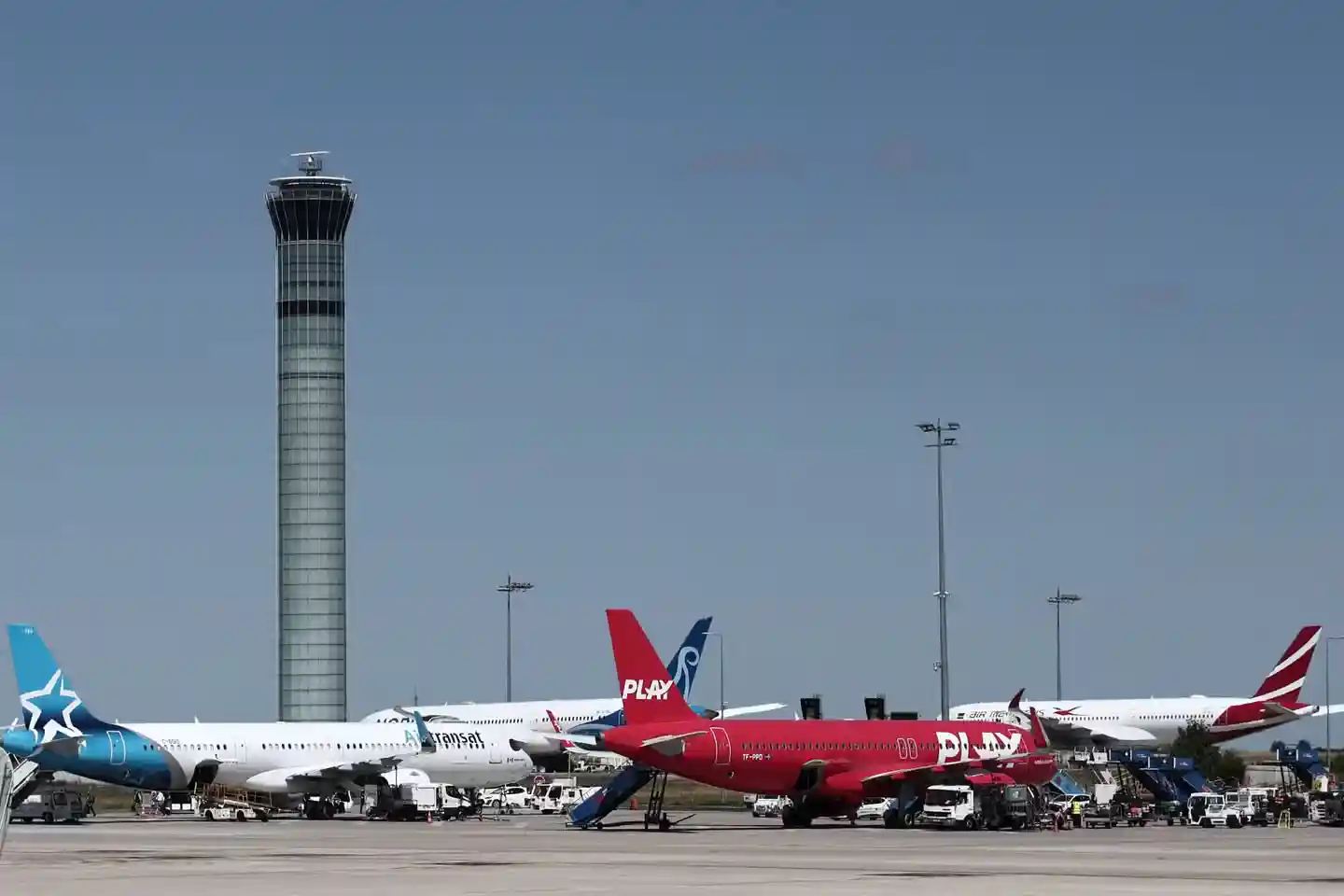
A two-day work stoppage by French air traffic control has caused severe disruptions in air traffic across Europe, affecting close to 300,000 passengers and resulting in the cancellation of nearly 1,500 flights. The strike began on a Wednesday and has significantly impacted major European airlines, including EasyJet, British Airways, Lufthansa, Air France, and low-cost carriers like Ryanair. The flight movements into and out of France have been particularly affected, with major French airports such as Paris Charles de Gaulle, Beauvais, and Orly seeing substantial disruptions.
Details of the Strike and Its Impact
The strike was organized by two unions, UNSA-ICNA and USAC-CGT, who are protesting against understaffing, outdated equipment, and poor working conditions within France’s air traffic control system. Although not all unions participated, the strike still led to widespread disruptions, particularly affecting flights over French airspace. The impact has been significant; for instance, EasyJet canceled 274 flights, with 150 of those cancellations occurring on Thursday alone. Meanwhile, Ryanair initially canceled 170 flights, but this number quickly surged to 468, affecting approximately 70,000 passengers. Other major carriers such as British Airways, Lufthansa, and Air France also faced heavy disruption, leading to numerous flights being either canceled or severely delayed due to airspace restrictions.
Airport Disruptions Across France
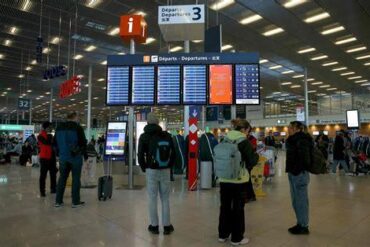
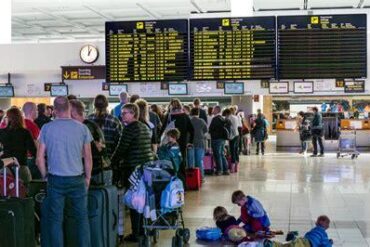
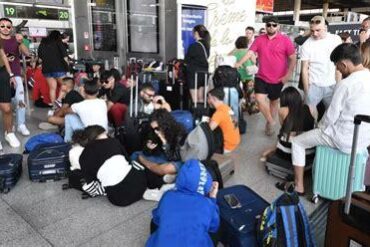
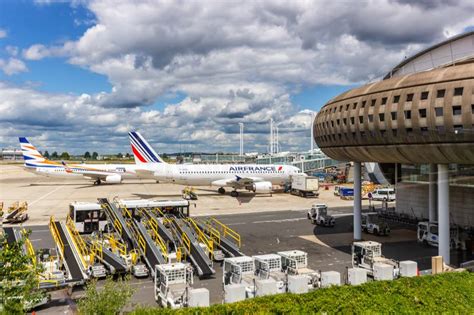
French aviation authorities reported that major airports such as Paris Charles de Gaulle and Orly canceled up to 40% of scheduled flights, while Nice was hit even harder, scrapping 50% of its flights. Cities like Lyon and Marseille experienced around 30% cancellations, exacerbating the chaos at airports. The strike coincided with the beginning of France’s summer holiday season, leading to heightened frustration among travelers, especially families. Passengers were met with long queues, overcrowded terminals, and a lack of clear communication, creating a challenging experience for those waiting at the airports. Many were left scrambling for alternative modes of transportation, such as trains, after their flights were canceled.
European Travel Disruptions Beyond France
Although the strike primarily affected flights within and over France, its impact rippled throughout Europe. Airlines operating in and out of French airspace experienced significant delays and cancellations. British Airways, for instance, had to deploy larger aircraft to accommodate stranded passengers. Additionally, Eurostar services from London’s St Pancras station also faced delays due to unrelated track issues. Consequently, many travelers found themselves in congested terminals across France, Spain, and the UK, further compounding their frustrations.
Calls for Reform and Criticism from Airline Executives
The strike has ignited substantial political and industry backlash. French Prime Minister François Bayrou labeled the strike as “shocking” and criticized the unions for holding the public “hostage.” Transport Minister Philippe Tabarot warned that the strike would cost airlines millions of euros, describing the actions as unacceptable and calling for an immediate resolution to the dispute. Ryanair CEO Michael O’Leary expressed his anger regarding the European Union’s failure to protect overflights that do not involve landing in France. He contended that flights passing through French airspace should be permitted to continue even during a strike, emphasizing the inefficiency of the current air traffic management system.
What Travelers Need to Know
Travelers affected by the strike should be aware that while flight cancellations qualify for refunds, EU compensation will not apply in this instance due to the strike being classified as an extraordinary circumstance. Many travelers will be eligible for a refund, but this may not include compensation for additional costs such as hotel stays, meals, or missed connections, which some travel insurance policies may cover. Airlines are urging passengers to frequently monitor their flight status for real-time updates, as delays are expected to extend well beyond the strike’s official end. It is advisable for passengers to arrive early at the airport to avoid potential long queues and to use hand luggage to expedite the check-in and baggage claim processes. For security reasons, it’s also wise to prepare laptops and liquids properly to facilitate the screening process.
Unions’ Demands and Potential for More Strikes
The unions leading the strike have called for urgent reforms within the French air traffic control system. They demand more staffing, better tools, and an end to what they describe as toxic management. The air traffic control system in France has faced numerous challenges, including outdated equipment that struggles to cope with increasing air traffic volumes. There are growing concerns about safety, highlighted by reports of near-miss incidents, such as one recently reported in Bordeaux. The dispute is far from settled, and if no resolution is reached, more strikes could follow, putting additional pressure on an already busy travel season across Europe. Passengers are advised to remain flexible and stay informed about potential disruptions to their travel plans.
Conclusion
The recent strike by French air traffic controllers has caused widespread disruption across Europe, affecting hundreds of thousands of passengers. Airlines like EasyJet, Ryanair, British Airways, and Lufthansa were heavily impacted, with nearly 1,500 flights canceled and delays stretching across multiple countries. Although the strike stemmed from protests over understaffing and outdated equipment, its timing during the summer travel season has led to significant inconvenience for travelers. With the airline sector yet to regain momentum following the pandemic, these disruptions highlight the pressing need for reform and investment in air traffic controls to ensure safety and efficiency. Disrupted passengers are urged to stay updated on their flight statuses and remain prepared for potential delays as airlines navigate the challenges presented by air traffic disruptions.