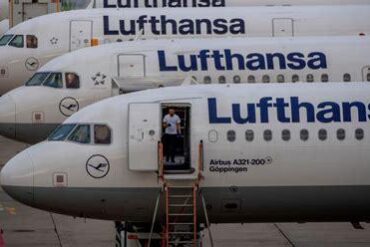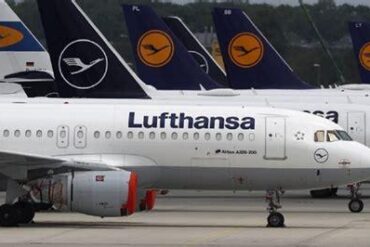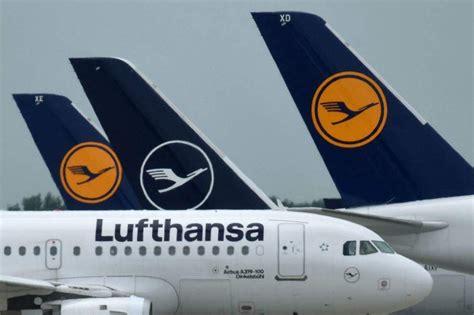
Passengers scheduled to travel with Lufthansa on Thursday are bracing for extensive disruption as coordinated strike action by pilots and cabin crew threatens to paralyze large sections of the German flag carrier’s global network. The 24-hour industrial action, organized by two powerful labor unions, is expected to impact passenger services, regional operations, and cargo flights, creating ripple effects across European and intercontinental aviation corridors.
The walkout represents one of the most comprehensive labor actions to hit Lufthansa in recent years, striking at both the cockpit and cabin simultaneously. With operations already running on tightly optimized schedules, even a partial workforce stoppage would have caused delays. A dual strike dramatically raises the probability of mass cancellations, grounded aircraft, and logistical bottlenecks at major hub airports.
Travelers have been warned to prepare for last-minute schedule changes, with Lufthansa confirming that it is actively reviewing its flight program. Rebooking queues, refund requests, and airport congestion are expected to surge as the airline attempts to triage disrupted itineraries in real time.
24-Hour Pilot Strike Targets Pension Dispute
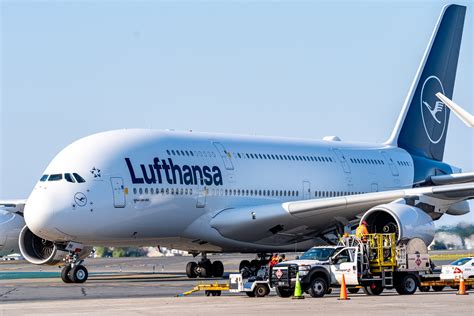
At the center of the operational storm is the Vereinigung Cockpit (VC) union, which represents Lufthansa’s pilots. The organization has called on its members to stage a full-day strike running from 12:01 a.m. to 11:59 p.m. local time on February 12, 2026. The timing ensures maximum operational impact, covering the entirety of the airline’s daily departure wave from German airports.
The union’s primary grievance revolves around Lufthansa’s pilot pension framework. VC argues that the current capital market-financed pension model, introduced in 2017, fails to provide retirement security comparable to the legacy defined-benefit system it replaced. Under the newer structure, payouts fluctuate with market performance rather than guaranteeing fixed post-retirement income.
Negotiations between the union and Lufthansa began in May 2025 but have since stalled. After seven rounds of talks produced no agreement, union leaders concluded that industrial action was the only remaining leverage mechanism. The dispute underscores how retirement provisions—often less visible than salary negotiations—can become flashpoints in highly specialized professions like aviation, where career longevity and medical fitness windows heighten financial planning pressures.
VC leadership has framed the strike as a last resort, emphasizing that pension protections form a core pillar of pilot employment conditions. Lufthansa, meanwhile, faces mounting pressure to balance labor cost containment with workforce retention in a competitive global pilot market.
Cargo Operations Caught in the Crossfire
The strike’s reach extends beyond passenger cabins into Lufthansa Cargo, the group’s freight division. Cargo pilots—many of whom operate long-haul aircraft such as the Boeing 777F—are included in the walkout, raising concerns about supply chain delays.
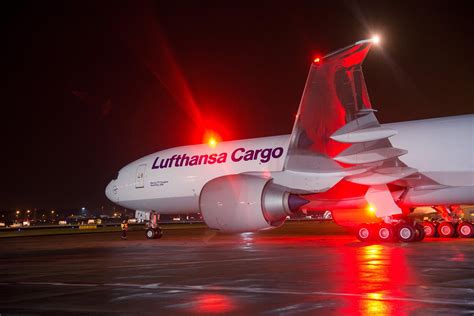
Air cargo plays a critical role in transporting pharmaceuticals, industrial components, perishables, and high-value goods. Even a one-day stoppage can create downstream disruptions, particularly in just-in-time manufacturing sectors reliant on precise delivery windows.
Freight forwarders are expected to reroute shipments via partner airlines or alternative European hubs where possible. However, capacity constraints and pre-existing demand mean that not all displaced cargo will move on schedule. The financial implications could extend well beyond Lufthansa, affecting exporters, importers, and logistics integrators across multiple continents.
Cabin Crew Union Amplifies the Disruption
Compounding the pilot strike is parallel action by UFO, the union representing Lufthansa’s flight attendants. UFO has called for its own 24-hour strike covering both Lufthansa mainline services and its regional subsidiary, Lufthansa CityLine.
Unlike the pilot dispute, which centers on pensions, the cabin crew action is tied to corporate restructuring. The union cites management’s refusal to negotiate a collective social plan linked to the planned shutdown of CityLine operations. Such plans typically address job transitions, severance frameworks, and redeployment pathways for affected employees.
The near-unanimous mandate for the strike—approved by 98.33% of participating CityLine members—signals deep workforce dissatisfaction. When approval margins reach that level, it reflects not just tactical disagreement but structural mistrust between labor and management.
Regional Networks Brace for Heavy Impact
Because Lufthansa CityLine operates short-haul feeder routes into major hubs, its shutdown carries outsized network consequences. Regional flights funnel passengers into long-haul departures; when feeders vanish, intercontinental loads collapse.
Airports expected to see significant disruption include Berlin, Bremen, Cologne, Düsseldorf, Frankfurt, Hamburg, Hanover, Munich, and Stuttgart. These nodes form the backbone of Lufthansa’s domestic and intra-European connectivity.
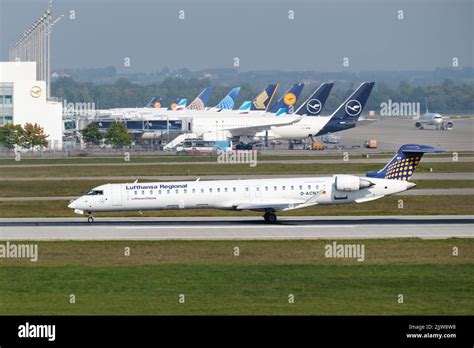
The cascading effect is aviation’s version of a systems failure: grounded regional jets mean missed long-haul connections, which in turn trigger rebooking avalanches across alliance partners. Star Alliance carriers coordinating code-share traffic with Lufthansa may also feel secondary operational strain.
Rail Partnership Offers Partial Relief
In an effort to cushion the blow for stranded domestic travelers, Lufthansa has activated contingency cooperation with Deutsche Bahn, Germany’s national rail operator. Under the arrangement, passengers whose domestic Lufthansa flights—or services between Germany and Basel—are canceled within two days of departure can convert their tickets into rail vouchers free of charge.
The airline-rail integration reflects a broader European mobility strategy where high-speed trains substitute for short-haul flights, reducing both emissions and congestion. In crisis scenarios, the model doubles as an operational safety valve.
Still, the rail substitution scheme has geographic limits. Not all city pairs are connected by high-speed rail, and capacity on existing lines may be insufficient to absorb sudden aviation spillover. Travelers on uncovered routes may face overnight delays or complex multi-segment rebookings.
Financial and Strategic Stakes for Lufthansa
Labor strikes carry immediate revenue losses but also longer-term strategic implications. Previous industrial actions have cost Lufthansa Group hundreds of millions of dollars in a single quarter, factoring in compensation claims, rebooking costs, and lost ticket sales.
Yet the airline must weigh those losses against the precedent set by conceding to union demands. Pension liabilities, workforce restructuring terms, and labor cost baselines shape profitability for decades, not just fiscal quarters.
Management has signaled optimism about future seasonal performance, projecting capacity growth and stronger summer demand. However, repeated labor flashpoints risk eroding customer confidence, particularly among premium travelers and corporate accounts that prioritize schedule reliability.
Passengers Advised to Monitor Flight Status Closely
For travelers, the immediate priority is information vigilance. Lufthansa has urged customers to check flight status regularly, utilize online rebooking tools, and avoid unnecessary airport journeys if cancellations are confirmed.
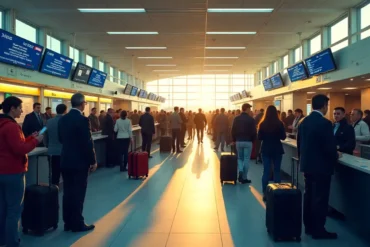
Airports across Germany are preparing for crowded service desks, elevated call center volumes, and extended wait times. Ground handling services, though not directly involved in the strike, will operate under strained conditions due to irregular passenger flows.
The dual union action illustrates how interconnected modern airline operations have become. When cockpit and cabin labor forces withdraw simultaneously, disruption scales from inconvenient to systemic. Thursday’s strike will test Lufthansa’s crisis management resilience—and may well shape the trajectory of its ongoing labor negotiations long after the picket lines clear.