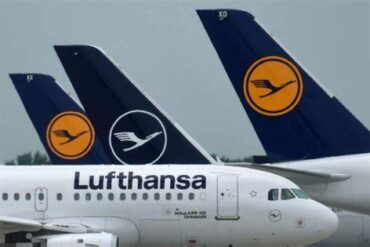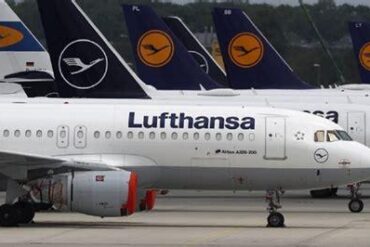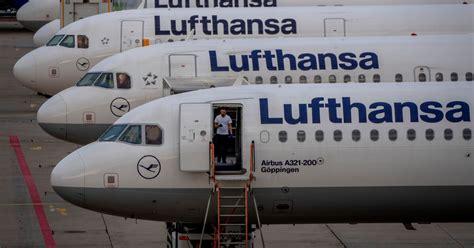
The mounting labor tensions at Lufthansa have reached a critical boiling point, as pilots prepare to stage a 48-hour strike that threatens to paralyze one of Europe’s most vital aviation networks. Organized by the powerful union Vereinigung Cockpit, the walkout marks the third major strike in just one month, signaling a deepening crisis between cockpit crews and airline management.
The strike, scheduled from Monday through Tuesday, arrives with minimal notice, leaving Lufthansa scrambling to mitigate operational collapse. With pilots across mainline operations, cargo divisions, and regional subsidiaries participating, the disruption is expected to ripple across continents. This is no longer a routine labor disagreement—it is a full-scale operational shock with immediate consequences for tens of thousands of travelers.
A Network Under Siege: Lufthansa’s Core Operations Hit Hard
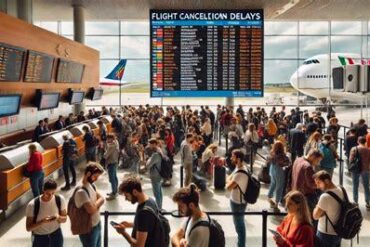
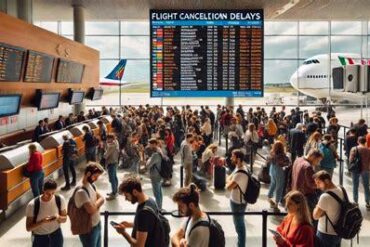
The scale of disruption is staggering. Lufthansa’s two strategic hubs—Frankfurt Airport and Munich Airport—are bearing the brunt of cancellations, with more than 500 flights already grounded. Early estimates suggest over 50,000 passengers have been affected, and that number continues to climb as cancellations cascade across the airline’s global schedule.
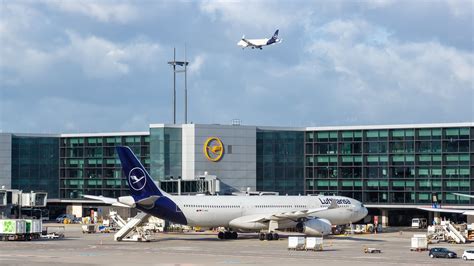
The strike extends beyond the flagship carrier, impacting Lufthansa CityLine and low-cost arm Eurowings. Notably, Eurowings pilots will participate only on the first day, slightly easing pressure on Tuesday. However, this limited reprieve does little to offset the broader collapse in capacity across Lufthansa’s network.
Cargo operations are also under strain, threatening supply chains already grappling with global instability. With pilots stepping away en masse, Lufthansa’s ability to maintain even a skeleton schedule is severely compromised.
The Core Dispute: Wages, Pensions, and a Breakdown in Trust
At the heart of the strike lies a bitter dispute over compensation and pension structures. The union has accused Lufthansa management of failing to present any meaningful proposals, despite weeks of restraint during the critical Easter travel period.
Andreas Pinheiro, president of Vereinigung Cockpit, did not mince words, emphasizing that pilots deliberately avoided striking during peak travel only to be met with silence. According to the union, Lufthansa’s current pension proposals fall far below acceptable standards, particularly for pilots at Eurowings and Lufthansa CityLine.
Lufthansa, however, has pushed back aggressively, labeling union demands as “absurd and unachievable.” The airline argues that its existing pension schemes are already above industry averages, framing the dispute as a case of unrealistic expectations rather than corporate inflexibility.
This widening gap underscores a deeper issue: a collapse of trust between labor and management. Negotiations have stalled, and both sides appear entrenched, raising fears that further strikes are not just possible—but inevitable.
Passenger Fallout: Travel Plans in Disarray
For passengers, the strike translates into widespread uncertainty and frustration. Lufthansa has preemptively canceled hundreds of flights, urging travelers to rebook or seek refunds. Flexible policies have been introduced, allowing free changes for flights within a specified window and offering alternatives such as rail travel through Deutsche Bahn.
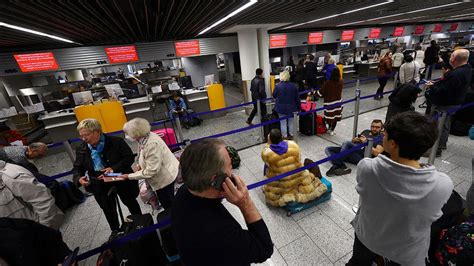
In an effort to soften the blow, Lufthansa is rerouting passengers onto partner carriers like Austrian Airlines and SWISS. However, limited seat availability means many travelers are left with few viable options.
Interestingly, Lufthansa has prioritized maintaining routes to the Middle East, ensuring continued service to destinations such as Egypt, Qatar, and the United Arab Emirates. This selective continuity reflects both strategic importance and operational necessity, but it does little to alleviate disruptions elsewhere.
The chaos follows closely on the heels of a recent flight attendant strike that affected nearly 100,000 passengers, compounding the sense of instability surrounding Lufthansa’s operations.
A Pattern of Escalation: Is a Turbulent Summer Ahead?
This latest strike is not an isolated incident but part of a rapidly escalating pattern of labor unrest. In March, pilots staged a two-day walkout, and just days ago, tens of thousands of cabin crew members joined a separate strike action. Each event has chipped away at Lufthansa’s operational resilience and customer confidence.
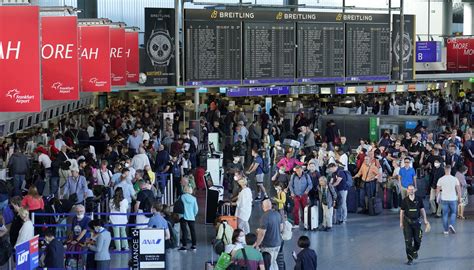
The timing is particularly concerning. With the busy summer travel season approaching, the absence of a negotiated settlement raises the specter of continued disruptions at peak demand. Airlines typically rely on summer revenues to offset weaker periods, and prolonged instability could have significant financial repercussions.
From a strategic standpoint, Lufthansa faces a delicate balancing act. Conceding too much risks setting a precedent across its workforce, while holding firm may provoke further strikes that erode its competitive position.
Strategic Implications for European Aviation
The implications extend far beyond Lufthansa itself. As one of Europe’s largest airline groups, its operational health is closely tied to the broader aviation ecosystem. Persistent disruptions can ripple through alliances, airport operations, and even competing carriers forced to absorb displaced passengers.
Moreover, the dispute highlights a growing trend across the aviation industry: intensifying labor demands in a post-pandemic recovery phase. As airlines rebuild profitability, employees are increasingly pushing for improved compensation and conditions, setting the stage for similar conflicts elsewhere.
For Lufthansa, the immediate priority is damage control—stabilizing operations, maintaining customer trust, and reopening meaningful dialogue with its pilots. Whether it can achieve all three simultaneously remains an open question.
What is clear, however, is that this 48-hour strike represents more than a temporary disruption. It is a defining moment in Lufthansa’s labor relations—one that could shape the airline’s trajectory for years to come.