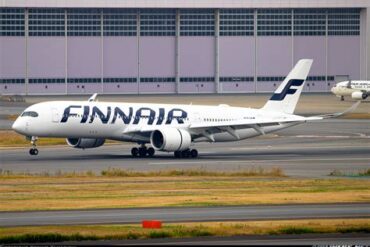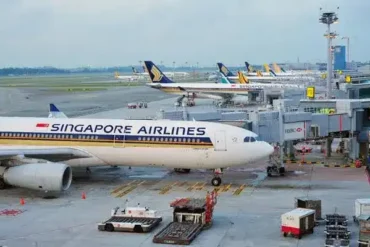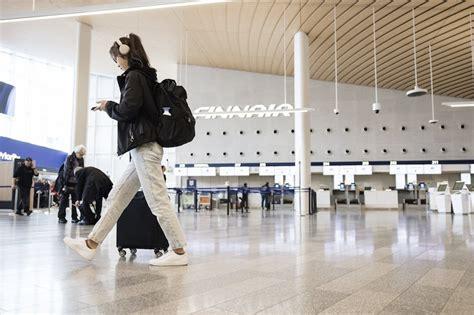
The summer travel season has taken a sharp hit as the Helsinki Airport strike, launched by the Finnish Aviation Union (IAU) on July 7, 2025, caused severe flight disruptions across Northern and Western Europe. Finnair, Finland’s flag carrier, was the hardest hit, canceling 100 flights, stranding approximately 7,200 passengers, and triggering a cascading effect on major airlines including SAS, Norwegian, Lufthansa, Air France, KLM, British Airways, Iberia, and Turkish Airlines.
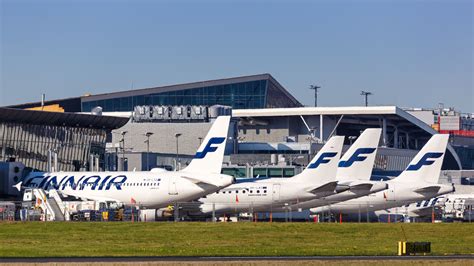
Helsinki Airport Paralysis: The Core of the Disruption
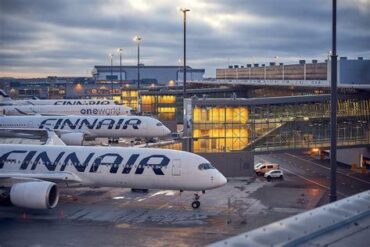
Located in Vantaa, just outside Finland’s capital, Helsinki Airport serves as a vital Nordic hub linking Europe to Asia and beyond. The IAU strike primarily targeted essential ground services—check-in, security, baggage handling, and technical support—bringing operations to a crawl. The ripple effect was immediate and far-reaching, affecting travelers not just in Finland, but across key European air corridors.
The union’s action stems from unresolved disputes over working conditions, staffing levels, and pay equity, issues that have simmered for months amid the pressures of post-pandemic recovery and skyrocketing passenger demand. Despite advance notice, the scale of the disruption has overwhelmed contingency planning, with Finnair forced to ground large portions of its fleet for the day.
Airlines and Countries in the Crosshairs
Though Finnair bore the brunt, the domino effect was undeniable. Passengers transiting through or connecting via Helsinki faced reroutes and delays. The airlines most affected include:
- SAS and Norwegian, operating heavily across Scandinavia, suffered knock-on schedule delays.
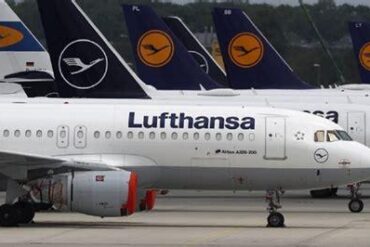
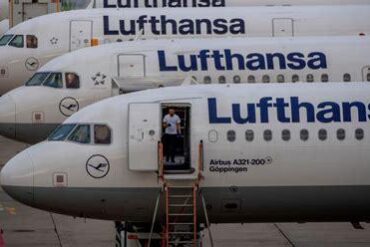
- Lufthansa and Turkish Airlines, with strong links to Frankfurt and Istanbul, reported multiple delayed inbound flights.
- KLM and Air France, with numerous code-shares via Helsinki, adjusted several flights serving Amsterdam and Paris.
- British Airways and Iberia, connected to the OneWorld alliance with Finnair, also reported cancellations and crew reassignments.
Major airports affected include Stockholm Arlanda, Copenhagen Kastrup, Berlin Brandenburg, Charles de Gaulle, Brussels Zaventem, and Madrid Barajas.
Finnair’s Passenger Response Strategy
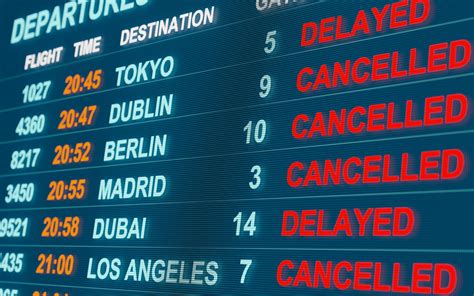
With more than 7,000 passengers facing disrupted itineraries, Finnair has activated its crisis communication protocols. The airline has provided affected travelers with the following options:
- Free rebooking on alternative Finnair or partner flights
- Full ticket refunds for those canceling travel plans
- Flexible date changes without penalties
Despite these measures, passengers report long hold times, limited seat availability, and crowded terminals. Finnair has also urged customers not to contact customer service unless their flight is scheduled within 24 hours, as call centers are currently saturated.
Ground Services Breakdown: The Hidden Crisis
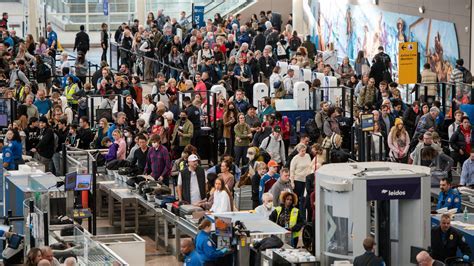
While canceled flights are the most visible effect, the collapse of ground services reveals a deeper strain. The lack of personnel at security checkpoints and check-in counters has caused wait times exceeding two hours in some terminals. Baggage handling delays are now resulting in hundreds of stranded bags, with some rerouted to other airports without the knowledge of passengers.
This breakdown is a sharp reminder of how essential behind-the-scenes roles are to smooth airport functioning—and how vulnerable airlines are to labor disruptions, especially at single-hub carriers like Finnair.
The Impact on Travelers: Missed Connections and Rebookings
The timing of the strike could not be worse. With July 7 falling in the heart of the peak summer travel period, many travelers had tight schedules involving multi-leg itineraries, cruise ship connections, or event bookings. Reports indicate widespread cases of missed connecting flights in London, Paris, and Frankfurt, with many travelers left to scramble for last-minute alternatives at steep costs.
The situation is even more dire for travelers with non-refundable hotel bookings, tours, or visa-limited trips, as they now face financial losses beyond the flight ticket itself. The lack of EU-wide coordination in assisting passengers in such crises has come under renewed scrutiny.
Further Strike Dates Looming: July 16, 18, 21, and 23
The IAU has already announced additional strike dates on July 16, 18, 21, and 23, potentially worsening the situation. Finnair has warned that while these may not match the scale of July 7, disruptions should still be expected. The airline promises to provide two-day advance notice of all changes, but passengers are urged to remain proactive.
As summer bookings surge, the window to secure alternative flights is narrowing. Finnair’s domestic and European routes are already reporting near-full capacity, and travelers are being advised to reschedule now if flexibility allows.
The Domino Effect on Finland’s Tourism and Business Travel
The strike has cast a dark shadow over Finland’s tourism industry, particularly in Helsinki. With major summer festivals, conferences, and cruise departures scheduled for July, the loss of passenger flow is expected to hit local hotels, restaurants, event organizers, and transport providers.
Helsinki’s tourism board estimates that up to €8 million in revenue could be lost if disruptions continue throughout the month. International visitors planning to visit iconic landmarks like the Suomenlinna Fortress, Helsinki Cathedral, or venture north into Lapland may cancel their trips altogether.
Regional Ramifications: Aviation System Stress Test
The Helsinki Airport strike is also testing the broader European aviation network. With many airlines depending on interconnected hub-and-spoke models, a bottleneck at one hub like Helsinki can ripple outward. Airlines now face crew repositioning issues, delayed aircraft returns, and increased pressure on overbooked routes in Munich, Copenhagen, and Oslo.
Air traffic controllers in Germany and France have already expressed concern about increased loads due to rerouted Nordic traffic, potentially raising the risk of airspace congestion.
What Travelers Should Do Now
Travelers with upcoming flights involving Finland, or connections through Helsinki, should act decisively:
- Monitor flight status via airline apps or official websites
- Use online tools like “Manage Booking” for rebooking/refunds
- Avoid calling customer service unless departure is within 24 hours
- Consider postponing non-essential trips on future strike dates
- Keep travel insurance active with strike coverage
These steps, though not foolproof, may reduce the chance of severe disruption.
Calls for Government Intervention
As the strike exposes vulnerabilities in Finland’s aviation sector, pressure is mounting on the Finnish government to intervene. Lawmakers are facing demands from the tourism industry, chambers of commerce, and business travelers to mediate between the IAU and airport operators. While officials have expressed concern, formal negotiations are yet to make significant progress.
The situation has also sparked discussion across Europe regarding the fragility of air travel infrastructure, particularly when concentrated around single-hub airports vulnerable to labor disputes.
Conclusion: Europe’s Fragile Skies on Full Display
The Helsinki Airport strike has become more than a regional labor dispute—it is a litmus test for Europe’s resilience in aviation logistics. With thousands of passengers stranded, airlines stretched thin, and future strikes imminent, this event is a stark reminder that even the best-laid travel plans can be grounded by invisible forces.
Whether you’re flying with Finnair, connecting via Lufthansa, or vacationing through British Airways, your best defense remains vigilance, flexibility, and real-time updates. As the summer unfolds, one thing is clear: Europe’s skies are far from calm.