Southern Europe is once again in the grip of climate-fueled chaos, as massive wildfires in southern France led to the temporary shutdown of Marseille Provence Airport, throwing travel plans into disarray and triggering widespread flight delays and cancellations across major European destinations including London, Barcelona, Rome, Paris, and Milan.
Marseille Airport Closure: A Critical Flashpoint Amid Raging Flames
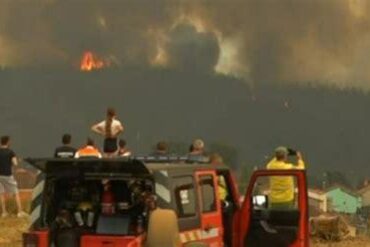
The crisis erupted on July 8, 2025, when a car fire on a major motorway outside Marseille spiraled out of control, aided by parched terrain and gusty winds, rapidly engulfing more than 30 hectares of land within hours. The situation escalated so quickly that Marseille Mayor Benoît Payan issued an emergency lockdown order, urging residents in northern districts to remain indoors and facilitate rescue operations.
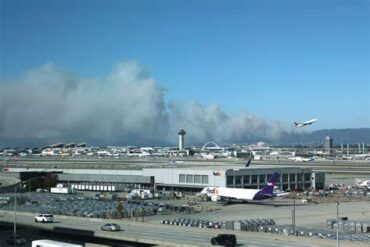
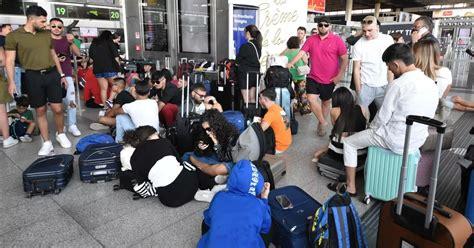
As the inferno crept perilously close to Marseille Provence Airport, authorities had no choice but to suspend all air traffic. Thousands of passengers found themselves stranded. While partial operations have since resumed, delays and cancellations persist, especially for flights operating in and out of southern Europe’s most popular hubs.
The fires injured more than 110 individuals, mostly due to smoke inhalation and panic-induced accidents. Hospitals across the region, already grappling with the heatwave’s toll, were pushed to capacity. French Interior Minister Gérald Darmanin confirmed that many injuries occurred during self-evacuations, reflecting the sheer urgency and chaos triggered by the blaze.
Disruption Ripples Through Major Airlines
The air travel crisis is particularly acute for major carriers that rely heavily on southern European routes during summer. Among the most impacted are:
British Airways
Though British Airways has not fully suspended operations, a significant number of flights to and from Marseille, London Heathrow, and other key destinations have been delayed or cancelled. Affected travelers have been advised to check real-time updates via the British Airways website or mobile app.
Ryanair
Ryanair, with an extensive low-cost network across Spain, Italy, and France, reported mass cancellations and substantial delays. Flights between London Stansted, Barcelona, and Rome Ciampino have been especially impacted, with ripple effects spreading to other regional airports.
Air France
The French flag carrier Air France has shifted some flights to nearby airports but was forced to cancel or delay others due to the chaotic conditions. While operations are being slowly reconfigured, full recovery is unlikely until weather conditions stabilize.
EasyJet
EasyJet, which holds a large presence at Marseille Provence, saw cancellations mount particularly for routes linking Milan, Paris Orly, and Gatwick. The airline is encouraging travelers to monitor the EasyJet mobile app and has rolled out limited rebooking options.
Lufthansa & KLM
These international carriers, while less reliant on Marseille, were not spared. Lufthansa flights to Germany and KLM routes to Amsterdam experienced intermittent service interruptions, further complicating trans-European travel.
Airport Still in Limbo Despite Reopenings
Though Marseille Provence Airport reopened in a limited capacity by July 9, it continues to operate under a cloud of uncertainty. Ongoing firefighting operations and the persistent risk of flare-ups mean the situation remains fluid. Passengers are warned to prepare for sudden changes, with hot, dry, and windy weather forecasts making any return to full normalcy highly uncertain.
Airlines are navigating a logistical labyrinth — rerouting aircraft, rescheduling crews, and trying to accommodate displaced travelers. Despite best efforts, recovery timelines are unclear, and the broader air travel infrastructure in southern Europe is under visible strain.
Southern Europe Ablaze: Marseille Part of a Larger Crisis
The Marseille fire is not an isolated event but a symptom of a wider climate emergency engulfing southern Europe. In Spain, especially Catalonia and Aragon, vast wildfires have forced mass evacuations. Italy, already reeling from earlier heatwaves, is now battling brush fires in Sardinia and near Rome, where smoke has darkened the skies and endangered communities.
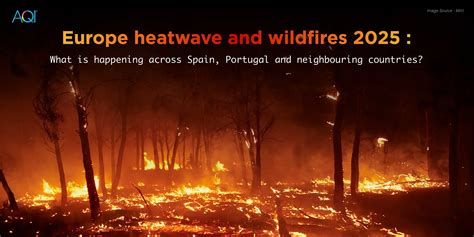
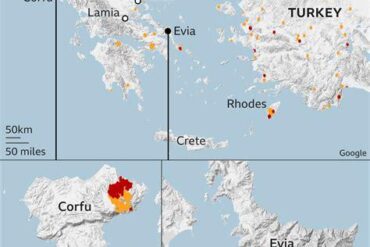
Meanwhile, Greece is again under siege. In Crete, over 1,500 residents fled their homes as flames moved toward populated areas. The Evia Island, a frequent wildfire hotspot, has also issued evacuation orders, backed by firefighting units and waterbombing aircraft dispatched under EU emergency cooperation mechanisms.
Climatologists are sounding alarm bells, attributing this surge to unprecedented heatwaves, low humidity, and climate change-fueled wind patterns. Summer 2025 is shaping up to be one of the most destructive in recent memory, with significant environmental, economic, and public health consequences.
French and EU Emergency Response in Overdrive
France’s government, under mounting pressure, has unleashed its national emergency response framework, deploying additional firefighters, aerial water tankers, and medical personnel. Reinforcements from Spain, Germany, and Italy have joined the effort under the European Civil Protection Mechanism.
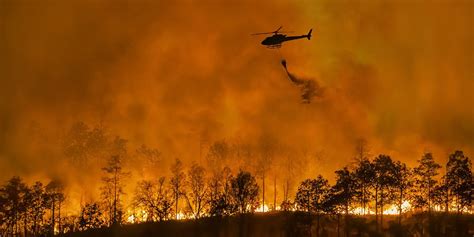
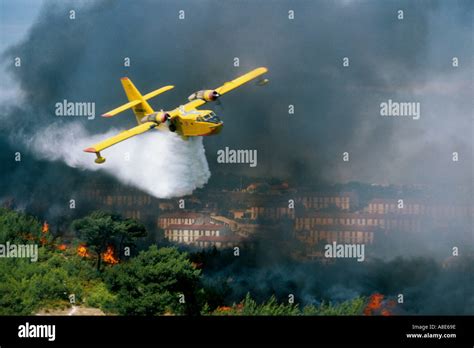
Water-bombing planes — including Canadairs and Dash 8s — have played a pivotal role in stemming the blaze. The skies above Marseille have been crisscrossed by emergency aircraft all week, dousing flames before they can reach dense residential areas or key infrastructure.
Authorities have also begun mask distribution campaigns to curb respiratory issues linked to smoke exposure, especially among children, seniors, and those with chronic lung conditions. Medical centers have extended their capacity, while mobile clinics have been dispatched to evacuation centers.
Tourist Safety, Travel Advisories, and What to Expect
For travelers with planned itineraries to Marseille or other fire-affected areas, vigilance is essential. The French Ministry of the Interior and Civil Aviation Authority are issuing real-time advisories. Foreign tourists are encouraged to register with their embassies and check flight trackers such as FlightAware and FlightRadar24.
If you’re flying via Marseille, Barcelona, or Rome, it’s vital to:
- Monitor your airline’s app or website constantly for status updates.
- Use hotel-booking platforms that allow free cancellation or date changes.
- Carry travel insurance that covers natural disasters.
- Prepare for rerouting or overnight stays in transit hubs.
Furthermore, all tourists are urged to follow evacuation instructions from local officials without delay. Fires can change course with minimal warning, and even non-affected areas may be impacted by toxic smoke and transport shutdowns.
Climate Crisis and the Future of European Travel
The Marseille fire, while dramatic, is merely the latest in a growing list of climate-linked travel emergencies across Europe. From Venice flooding to Rhodes evacuations, the continent’s tourism infrastructure is being stress-tested in ways never imagined.
Experts now argue that contingency planning must become integral to travel logistics. Governments and airlines alike are under increasing pressure to develop climate-resilient infrastructure, especially at transport hubs that are frequently exposed to wildfires or floods.
The European Union has pledged increased funding for firefighting preparedness, reforestation programs, and cross-border climate resilience initiatives. But for now, the summer of 2025 remains a bitter reminder that Europe’s travel sector is increasingly at the mercy of extreme weather.
Final Word: Caution and Awareness Above All
As Marseille struggles to regain control, the ripple effects are being felt far and wide — in cancelled flights, congested helplines, and uneasy tourists recalibrating their itineraries. This episode is not just a travel disruption, but a wake-up call about the vulnerability of modern infrastructure amid intensifying climate change.
Travelers should remain informed, flexible, and cautious, especially when venturing into southern Europe in summer. Governments and airlines are doing their part — but in this new era of frequent climate emergencies, awareness and preparation may be your best travel companions.