The inflight experience is undergoing a quiet but consequential transformation. As airlines grapple with rising operational costs, from fuel spikes to increased labor expenses, passengers are beginning to feel the ripple effects in unexpected places. One of the most notable changes emerging in 2026 is the sudden shift in onboard connectivity, as two of the largest U.S. carriers move away from their long-standing association with T-Mobile-branded Wi-Fi.
For years, travelers associated complimentary inflight internet with T-Mobile’s promotional partnerships. That era is now ending. Both United Airlines and American Airlines have removed T-Mobile from their connectivity ecosystems, signaling a broader strategic pivot that extends far beyond branding.
This change arrives at a moment when passengers are already absorbing higher ticket prices and increased ancillary fees. The perception of losing a familiar “free Wi-Fi” perk initially feels like yet another downgrade in value. But beneath the surface, a more ambitious technological upgrade is unfolding—one that could redefine expectations for inflight connectivity.
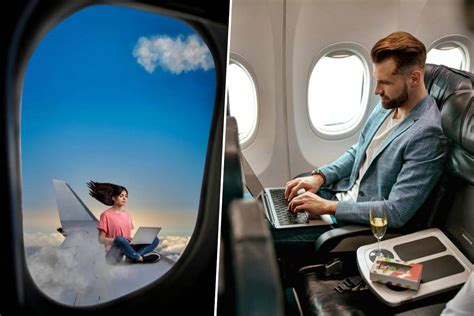
Why T-Mobile’s Exit Signals a Bigger Industry Shift
Despite its visibility, T-Mobile was never the true provider of onboard internet. The infrastructure powering connectivity on many flights has long been operated by companies like Gogo, which delivers satellite-based internet services to aircraft. T-Mobile’s role was primarily financial and promotional—subsidizing access and branding the experience.
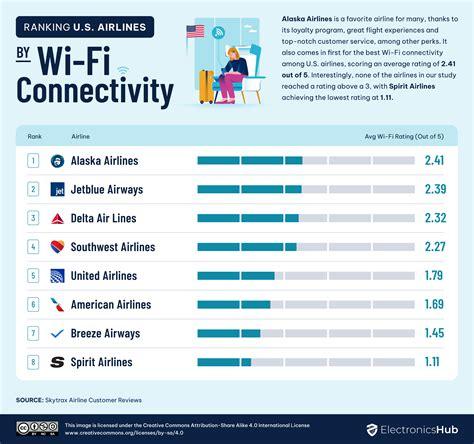
However, passenger expectations have evolved dramatically. Streaming, video conferencing, and cloud-based work demand far more bandwidth and stability than legacy systems can reliably provide. Complaints about slow speeds and inconsistent connections have grown louder, especially among business travelers who increasingly depend on seamless digital access at 35,000 feet.
Airlines have recognized that maintaining outdated systems risks eroding customer loyalty. The decision to move on from T-Mobile reflects a deeper commitment to upgrading the technological backbone of inflight connectivity rather than simply preserving the illusion of “free” service.
United’s Bet on Starlink: Speed Over Tradition
United Airlines is taking a bold leap by partnering with SpaceX’s Starlink, a low-Earth orbit satellite network designed to deliver high-speed, low-latency internet across the globe. Unlike traditional geostationary satellites, Starlink operates closer to Earth, dramatically reducing lag and improving performance.
The rollout is already underway, with early Starlink-equipped flights demonstrating significantly faster speeds and more reliable connections. United plans to expand this technology to over 500 aircraft by the end of 2026, positioning itself as a leader in next-generation inflight connectivity.
Passengers won’t pay directly for access, but there is a catch—users must sign up for a free MileagePlus membership. This subtle requirement allows United to deepen customer engagement while still marketing the service as complimentary.

American Airlines Aligns with AT&T for Scalable Connectivity
American Airlines is pursuing a different path, choosing to collaborate with AT&T to deliver its future inflight Wi-Fi experience. While less futuristic than Starlink’s satellite network, AT&T brings robust telecommunications expertise and infrastructure that can support scalable, high-capacity connectivity across a large fleet.
The airline aims to complete its rollout by mid-2026, ensuring that passengers experience a smoother and more consistent internet connection. Similar to United’s model, access will require enrollment in a free AAdvantage loyalty account, subtly reinforcing brand loyalty while maintaining the appeal of “free” Wi-Fi.
This approach reflects a more conservative but potentially reliable strategy—prioritizing stability and integration over cutting-edge disruption.
What Travelers Really Gain from This Transition
At first glance, the removal of T-Mobile branding might feel like a loss. In reality, the shift represents a recalibration of value. Airlines are no longer competing on whether Wi-Fi is free, but on how well it performs.
Passengers can expect:
- Faster connection speeds capable of supporting streaming and work tasks
- More reliable coverage across routes, including transcontinental flights
- Seamless login systems tied to loyalty programs rather than external promotions
These improvements address long-standing frustrations and align inflight connectivity with modern digital expectations.
The Future of Inflight Connectivity Is Being Rewritten
This transition marks a turning point in how airlines approach onboard technology. Connectivity is no longer a secondary perk—it is becoming a core component of the travel experience. As United and American redefine their Wi-Fi strategies, competitors will face mounting pressure to match or exceed these advancements.
The era of branded “free Wi-Fi” is fading. In its place emerges a more sophisticated ecosystem where performance, integration, and user experience take center stage. For travelers, the change may feel subtle at first—but once faster, more reliable internet becomes the norm, there will be no going back.