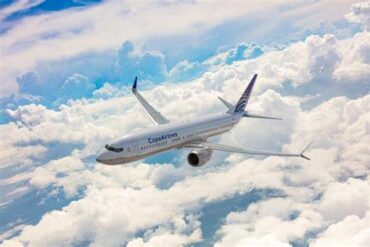
For years, complimentary inflight connectivity sponsored by T-Mobile served as a quiet but powerful differentiator across major U.S. carriers. Onboard access to messaging, browsing, and even light streaming at cruising altitude transformed expectations of air travel. Now, that benefit has abruptly vanished from flights operated by American Airlines and United Airlines, raising immediate questions about strategy, timing, and passenger experience.
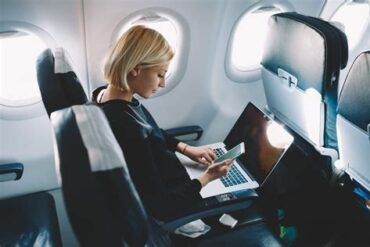
The disappearance has not been accompanied by a formal announcement, yet the change is unmistakable. The inflight WiFi portal tied to T-Mobile has been updated, removing both airlines from its ecosystem. Travelers who once relied on seamless, no-cost connectivity are now encountering either paid login screens or, in some cases, no connectivity at all. The shift feels sudden—and perhaps premature.
A Strategic Shift by American Airlines Toward AT&T Connectivity
American Airlines’ decision, while disruptive, is grounded in a broader connectivity overhaul. The Fort Worth-based carrier has aligned itself with AT&T, introducing free WiFi across much of its narrowbody fleet without requiring passengers to hold a specific mobile subscription. This pivot eliminates dependency on a third-party telecom perk and replaces it with a more universally accessible onboard experience.
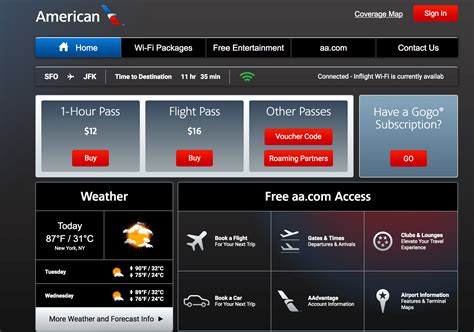
The move reflects a calculated effort to standardize passenger benefits. Instead of restricting access to T-Mobile subscribers or eligible users, American’s new system democratizes connectivity. However, the rollout is incomplete. Widebody aircraft, often used for long-haul international routes, still rely on older infrastructure that cannot support this upgraded service. As a result, a fragmented experience persists across the fleet.
United Airlines Faces a Connectivity Gap Ahead of Starlink Rollout
If American’s transition appears deliberate, United’s situation feels less defined. The airline has removed T-Mobile-sponsored WiFi without yet offering a comparable free alternative. Instead, passengers are met with a paid WiFi model, typically starting at $8 for MileagePlus members and $10 for others.
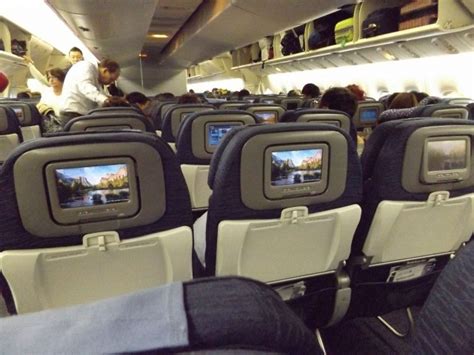
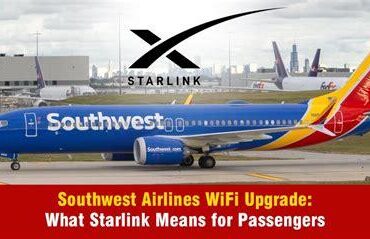
This interim strategy is particularly notable given United’s high-profile partnership with Starlink, the satellite internet system developed by SpaceX. Promising faster speeds and lower latency, Starlink represents a significant leap in inflight connectivity. Yet, widespread implementation remains 12 to 18 months away, leaving a noticeable gap in the present.
The result is a temporary regression. While future capabilities may surpass anything previously offered, current passengers face reduced value. On certain aircraft, WiFi is not available at all, further amplifying dissatisfaction among frequent flyers accustomed to consistent digital access.
T-Mobile Continues Partnerships With Competing Airlines
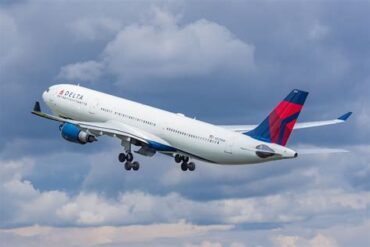
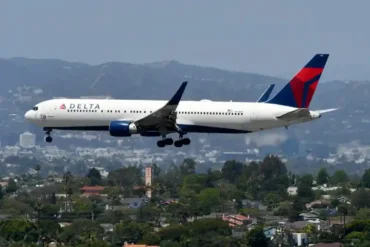
Despite its exit from American and United, T-Mobile’s inflight connectivity program remains active across several major carriers. Airlines such as Delta Air Lines, Alaska Airlines, Southwest Airlines, and Hawaiian Airlines continue to offer complimentary WiFi through the telecom provider.
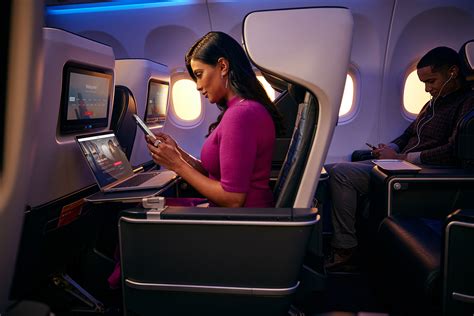
These partnerships preserve a competitive advantage. Passengers flying with these carriers can still send messages, browse the web, and stay connected without incurring additional fees. In some cases, access extends beyond T-Mobile subscribers, depending on loyalty program participation or promotional structures.
The contrast is increasingly stark. As American transitions to its own free model and United leans into a paid interim solution, other airlines continue leveraging T-Mobile’s sponsorship to enhance onboard value. For travelers making booking decisions, connectivity is no longer a secondary consideration—it is a deciding factor.
The Evolution of Inflight WiFi and Why It Matters Now
The current disruption is best understood within the broader evolution of inflight internet. Early attempts, such as Connexion by Boeing, introduced in the early 2000s, struggled with high costs and limited bandwidth. The service was ultimately discontinued, highlighting the technical and financial challenges of delivering connectivity at altitude.
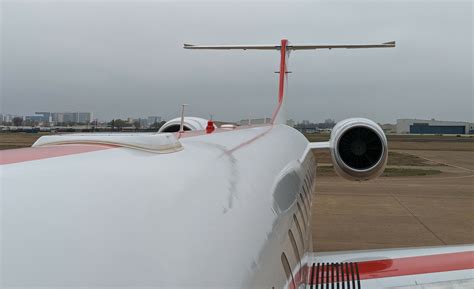
A decade later, JetBlue Airways reshaped expectations by launching widespread, free WiFi in 2013. Advances in satellite technology and air-to-ground systems made reliable connectivity more feasible. Today, aircraft connect via satellite antennas mounted on the fuselage or through ground-based cellular networks, distributing signals throughout the cabin.
Against this backdrop, the removal of free WiFi from two of the largest U.S. carriers feels counterintuitive. Passenger expectations have only increased, with connectivity now viewed as essential rather than optional.
Passenger Impact and the Road Ahead
The immediate effect is clear: travelers on American and United flights must navigate a more complex and, in some cases, costlier connectivity landscape. For American Airlines passengers, the transition may ultimately improve access once fleet-wide upgrades are complete. For United Airlines customers, however, the near-term outlook involves paying for a service that was previously free—or going without.
This shift risks eroding goodwill. Frequent flyers, business travelers, and digital nomads have integrated inflight connectivity into their routines. Removing that benefit without a seamless replacement creates friction at a time when airlines are competing intensely on experience.
Looking ahead, the industry is entering a new phase. Partnerships with telecom providers are giving way to direct airline-controlled connectivity ecosystems or next-generation satellite solutions like Starlink. The end goal is clear: faster, more reliable, and universally accessible internet at 30,000 feet.
Yet timing matters. In the race to upgrade, both American Airlines and United Airlines may have moved too soon—leaving passengers caught between legacy systems and future promises.