The spring of 2026 has quietly turned into a defining moment for inflight dining innovation, with Delta Air Lines and American Airlines taking distinctly different—but equally compelling—approaches to upgrading how passengers eat and drink across their journeys. While both carriers are chasing the same prize—a more premium, memorable travel experience—their strategies diverge in ways that reveal a deeper shift in airline thinking: it’s no longer just about food, but where, how, and why that food is served.
Delta has chosen to bring its culinary refresh directly into the cabin, focusing on enhanced onboard variety, recognizable brands, and elevated comfort foods that resonate instantly with travelers. American, on the other hand, is playing a more strategic long game, investing heavily in lounge dining experiences that transform preflight time into something closer to a curated restaurant visit.
This contrast doesn’t dilute the impact—it amplifies it. Together, these two approaches are redefining expectations, proving that modern airline dining is no longer an afterthought but a core part of the travel narrative.
Delta Air Lines Elevates Everyday Flying With Thoughtful Onboard Upgrades
Delta’s spring refresh begins where passengers feel it most immediately: in their seats, at cruising altitude, with something new on their tray tables. Rather than reserving upgrades exclusively for premium cabins, Delta has widened its scope to include main cabin passengers, signaling a more democratic approach to inflight quality.
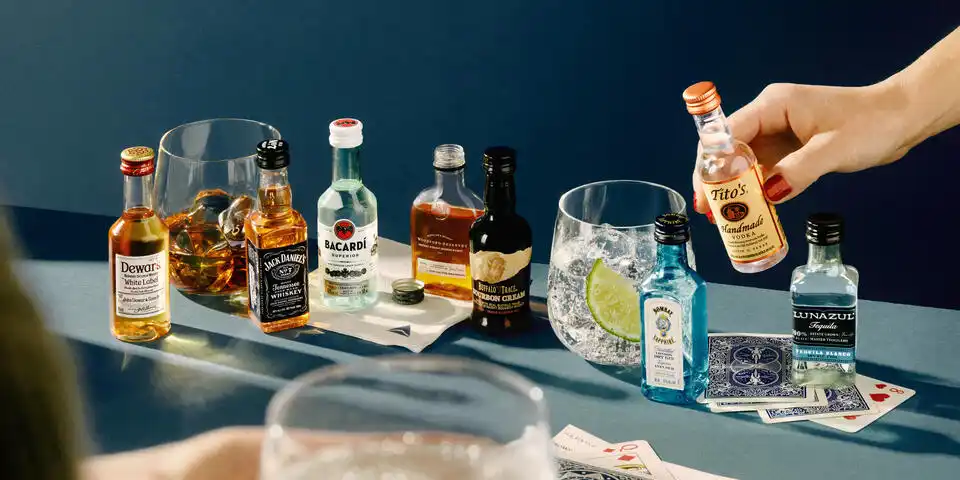
The addition of Tito’s Handmade Vodka is more than a simple beverage update—it’s a calculated response to passenger demand. By introducing a widely recognized, high-quality American brand, Delta taps into familiarity and trust, transforming a standard drink service into something more intentional and satisfying.
Equally impactful is the expansion of complimentary snacks. The introduction of a gluten-free MadeGood Chocolate Chip Chewy Granola Bar adds inclusivity and modern dietary awareness to the lineup, joining established favorites like Lotus Biscoff cookies, SunChips Garden Salsa, and Cheez-It crackers. These are not random selections—they are strategically recognizable brands that reduce uncertainty and elevate perceived quality.
What makes this approach effective is its subtlety. Delta isn’t overhauling the experience overnight; it’s layering improvements in a way that feels natural, responsive, and passenger-driven. The result is a cabin environment where even small touches feel curated rather than generic.
Seasonal Menus Bring Fresh Identity to Delta’s Premium Cabins
Beyond snacks and beverages, Delta’s spring rollout extends into its Delta One, Delta Premium Select, and Delta First cabins, where the airline introduces a range of seasonally inspired dishes designed to reflect both comfort and creativity.
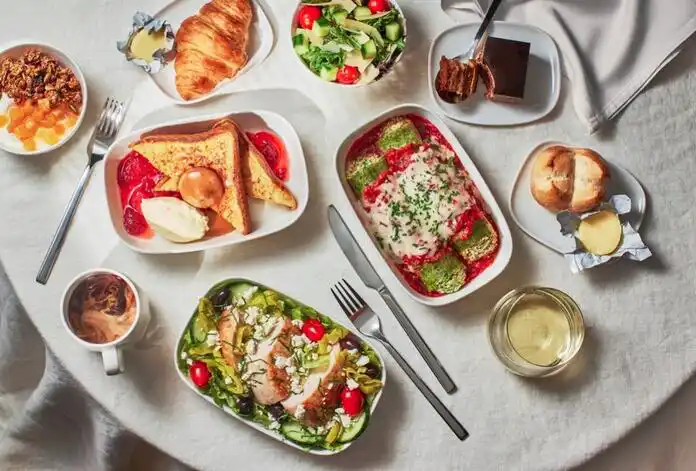
Passengers can now encounter options such as Classic French Toast, Roasted Chicken Salad, Spinach & Ricotta Ravioli, and the standout Shrimp and Grits by Mashama Bailey—a dish that adds culinary credibility through its connection to a celebrated chef. This blend of familiar comfort foods and chef-driven specialties creates a menu that feels both approachable and elevated.
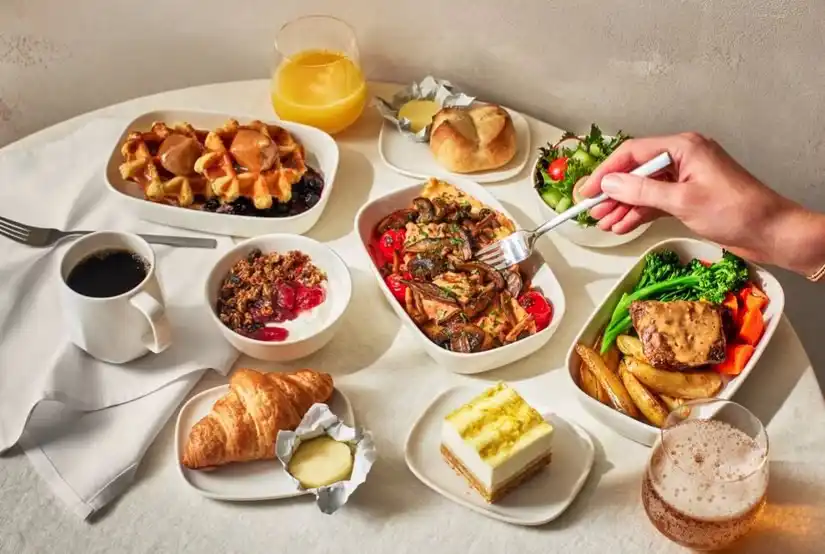
The strategy here is precise. Rather than overwhelming passengers with experimental cuisine, Delta focuses on recognizable dishes executed well, ensuring broad appeal while still offering moments of distinction. It’s a careful balance that acknowledges a fundamental truth: at 35,000 feet, comfort often wins over complexity.
Importantly, Delta has resisted the temptation to discard its most popular offerings. The continued presence of items like Belgian-style waffles and the now-famous Shake Shack Cheeseburger ensures continuity, allowing passengers to return to favorites while exploring new additions.
The Shake Shack Effect: How Brand Partnerships Are Redefining Airline Meals
If there’s a single development that encapsulates Delta’s evolving food philosophy, it’s the integration of the Shake Shack Cheeseburger into its inflight menu. What began as a limited rollout has quickly become a defining feature of the airline’s premium dining identity.
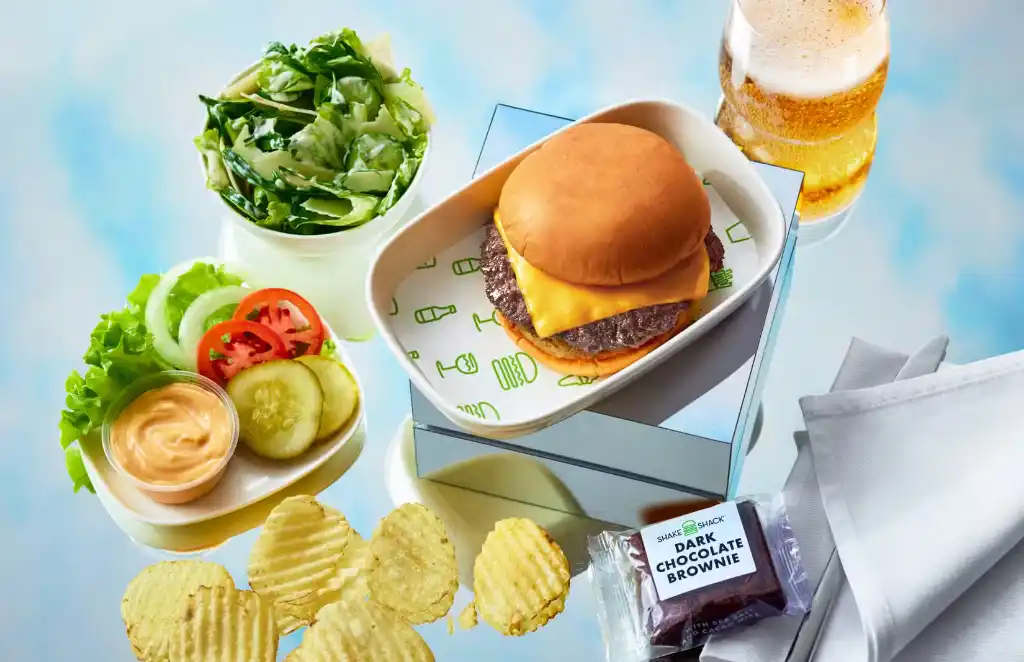
This partnership represents a shift away from traditional airline catering toward collaborations with established, high-trust consumer brands. The burger itself isn’t revolutionary in composition—but its brand recognition and consistency make it feel like a premium offering in a way generic alternatives never could.
Passengers flying First Class on select routes can even pre-select the cheeseburger before departure, introducing an element of personalization that aligns more closely with restaurant dining than airline service. The fact that Delta served over 10,000 burgers in its early rollout phase underscores the effectiveness of this strategy.
The broader implication is clear: airlines are no longer just serving food—they are curating experiences anchored in familiarity and cultural relevance. Delta’s spring menu builds on this foundation, blending branded partnerships with seasonal updates to create a dining ecosystem that feels both modern and intentional.
American Airlines Shifts the Spotlight to the Ground Experience
While Delta refines what happens in the air, American Airlines is redefining what happens before takeoff. Its spring refresh centers on Flagship and Admirals Club lounges, turning airport dining into a key differentiator rather than a peripheral perk.
This decision changes the rhythm of the journey. Instead of waiting for inflight service, passengers are invited to engage with restaurant-quality meals in a relaxed, preflight setting, where time, presentation, and atmosphere are all working in the airline’s favor.
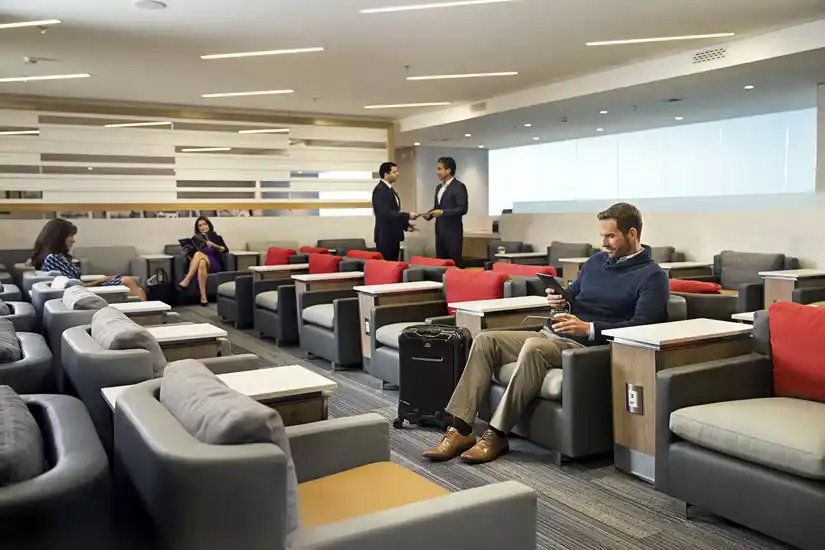
American’s updated menus emphasize seasonal ingredients, whole foods, and balanced compositions, signaling a move toward a more health-conscious and sophisticated dining philosophy. But what truly sets this approach apart is its regional customization.
Regional Menus Create a Sense of Place Across American’s Lounge Network
American Airlines has abandoned the idea of a one-size-fits-all menu, opting instead for location-specific dishes that reflect the identity of each hub. This approach transforms lounges into culinary extensions of their cities, offering passengers a taste of place before they even board.
In Los Angeles, travelers might encounter braised short rib with roasted thyme tomato sauce, while in Dallas/Fort Worth, the menu takes a creative turn with tamagoyaki French toast paired with ginger maple syrup. Miami brings bold flavors with rundown shrimp in coconut milk curry, and Philadelphia introduces beef kofta with saffron rice and mini pita.
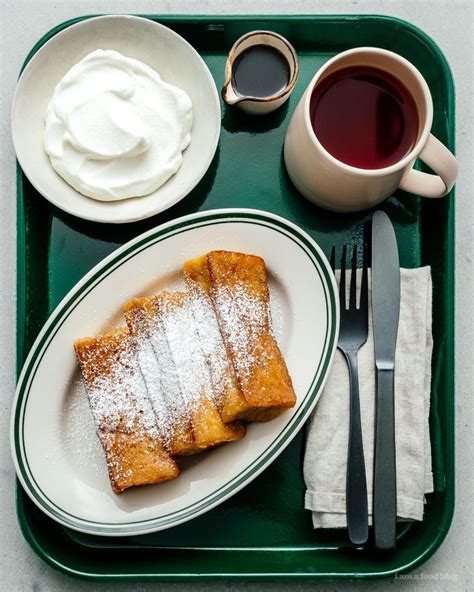
These dishes are not just varied—they are intentionally expressive, designed to make each lounge feel unique rather than interchangeable. This level of differentiation adds a layer of storytelling to the dining experience, turning a routine airport visit into something more immersive.
Even the Admirals Club lounges, which cater to a broader audience, follow this philosophy. Offerings like Parmesan pesto gnocchi, Mediterranean feta chickpea salad, and New England clam chowder ensure that regional identity remains central, even in more casual settings.
Premium Beverages and Champagne Partnerships Elevate the Experience
Complementing the food is an upgraded beverage program that reinforces American’s premium positioning. The inclusion of Champagne Bollinger in Flagship lounges adds a layer of luxury that aligns with the airline’s broader ambitions.
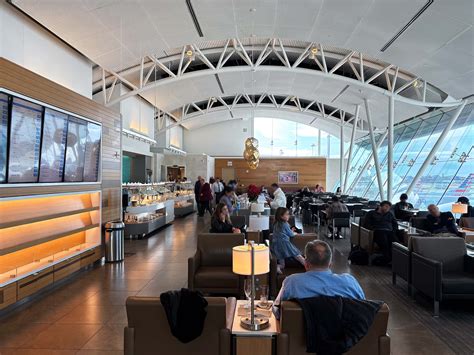
Serving a globally recognized Champagne brand does more than enhance the drink menu—it signals attention to detail and a commitment to high-end experiences. For passengers, it transforms preflight time into something celebratory, whether they’re embarking on a long-haul journey or simply enjoying a moment of indulgence.
Meanwhile, the availability of premium beverages for purchase in Admirals Club lounges ensures that the elevated experience remains accessible across different tiers of travelers.
Two Strategies, One Goal: Redefining Airline Dining Expectations
What makes this spring refresh particularly compelling is not just the individual upgrades, but the contrast between Delta and American’s strategies. Delta’s focus is immediate and tactile—better snacks, better drinks, better meals delivered directly to your seat. American’s approach is more environmental—better spaces, better ambiance, better dining before you even step onboard.
Neither strategy is inherently superior. Instead, they reflect different interpretations of what modern travelers value.
Delta recognizes that for many passengers, especially on domestic routes, the inflight experience is the defining moment. By enhancing what’s served onboard, the airline ensures that improvements are visible and memorable.
American, by contrast, understands the growing importance of airport dwell time. With longer layovers and earlier arrivals, the lounge becomes a critical touchpoint. By investing here, American creates a preflight experience that feels deliberate, आरामदायक, and distinctly premium.
Why Passengers Are Responding So Strongly to These Changes
The enthusiastic response from travelers isn’t accidental. Both airlines are tapping into a broader shift in consumer expectations, where quality, authenticity, and personalization matter more than ever.
Passengers notice when snacks feel thoughtfully chosen rather than generic. They appreciate when meals reflect seasonality and culinary trends rather than static menus. And they respond strongly to experiences that feel curated rather than mass-produced.
There’s also an emotional component at play. Travel, even in its most routine form, carries a sense of anticipation. By improving dining—whether through a perfectly executed cheeseburger at altitude or a regionally inspired dish in a lounge—airlines are enhancing that emotional journey.
The Future of Inflight Dining Is Already Taking Shape
This spring’s updates are more than seasonal refreshes—they are signals of where airline dining is headed. Expect to see more brand partnerships, more regional storytelling, and a continued blending of hospitality and aviation.
Delta’s model suggests a future where every seat benefits from incremental upgrades, making the overall experience more consistent and satisfying. American’s approach points toward airports becoming destinations in their own right, with lounges functioning as extensions of the travel experience rather than mere waiting areas.
The real winner in this evolution is the passenger. With both airlines pushing boundaries in different ways, the standard for what constitutes good inflight food is rising rapidly.
And if this spring is any indication, the era of forgettable airline meals is fading fast—replaced by something far more compelling, intentional, and, surprisingly, worth talking about long after landing.