The competition for passenger loyalty in modern aviation increasingly extends beyond seat pitch and ticket pricing. Airlines now fight for attention through brand partnerships, curated onboard dining, and memorable cabin experiences. American Airlines has taken another step in that direction by introducing Smash Kitchen, the food brand co-founded by Hollywood actor Glen Powell, into its inflight catering lineup.
The collaboration brings Smash Kitchen’s condiments to select American Airlines flights, marking a distinctive intersection of celebrity entrepreneurship and airline hospitality. While the change may appear minor at first glance—essentially a condiment upgrade—the strategy behind it reflects a larger effort by the airline to reshape how passengers perceive the onboard experience.
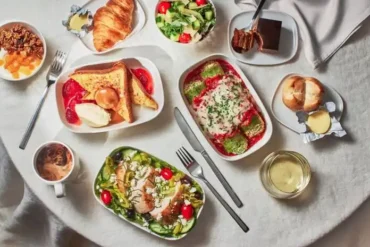
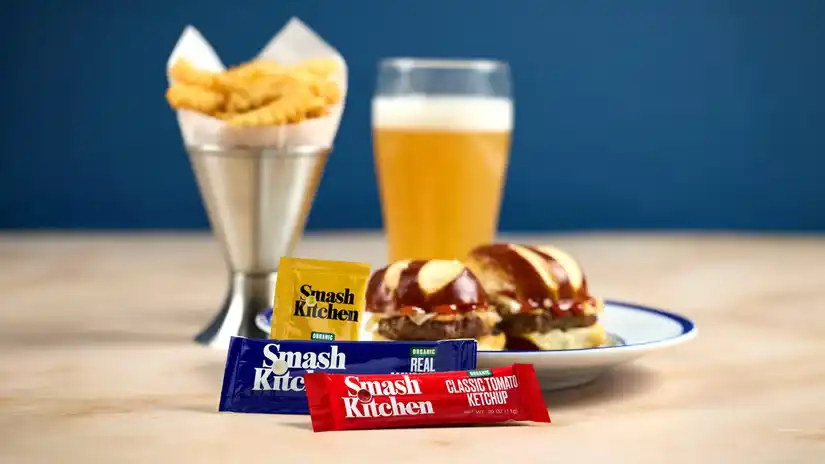
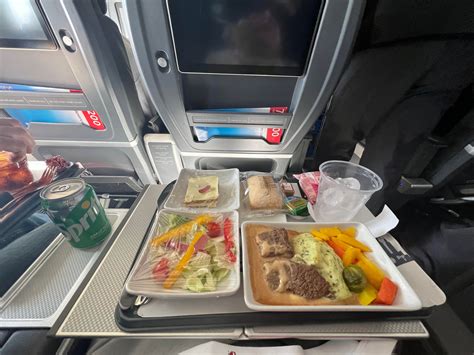
More specifically, the condiments will accompany Classic American Sliders and Fries available through domestic First Class preorder meals, while passengers in the Main Cabin may encounter the brand through a seasonal sandwich offering. By introducing the brand across different cabins, American Airlines is positioning Smash Kitchen as more than a novelty—it becomes part of a broader effort to modernize inflight dining.
A Celebrity Food Brand Takes Flight
Glen Powell, known for his roles in major Hollywood productions, co-founded Smash Kitchen in 2025 with the ambition of creating premium condiments made from clean, high-quality ingredients. The brand rapidly gained attention in the consumer food space, appealing to diners seeking bold flavors without artificial additives.
American Airlines recognized an opportunity in that rising popularity. By bringing Smash Kitchen onboard, the airline gains access to a recognizable lifestyle brand that resonates with younger travelers and food-conscious passengers. At the same time, the collaboration offers Smash Kitchen exposure to millions of airline customers every year.
For travelers seated in domestic First Class, the condiments will be paired with Classic American Sliders and Fries, a comfort-food staple designed to evoke a familiar roadside diner experience—only now served at 35,000 feet. The concept is simple but carefully crafted: recognizable food elevated through better ingredients and brand storytelling.
American Airlines’ Expanding Premium Experience Strategy
The Smash Kitchen partnership does not exist in isolation. American Airlines has been steadily building a multi-layered premium service strategy, introducing recognizable culinary brands and higher-end products across its network.
Over the past few years, the airline has incorporated several notable partnerships into its onboard offering:
- Pecan Lodge barbecue, bringing Texas-style smoked meats to select flights
- Champagne Bollinger for long-haul Flagship international service
- Lavazza coffee, providing a globally recognized espresso brand
Together, these partnerships represent a deliberate shift toward brand-driven inflight hospitality. Instead of reinventing aircraft interiors—which requires significant capital investment—airlines can elevate perception through curated food, beverage, and lifestyle collaborations.
Rhonda Crawford, American Airlines’ Senior Vice President of Customer Experience and Design Strategy, emphasized that the new partnership fits directly into this broader vision. According to Crawford, Smash Kitchen introduces a flavor profile and brand identity that aligns with the airline’s ambition to deliver a more premium and memorable journey.
Why Condiments Matter More Than They Seem
From a distance, adding a new condiment brand may seem like a small operational tweak. Yet within the airline industry, small sensory details often shape the entire passenger experience.
Air travel is a carefully choreographed environment where taste, smell, and presentation influence how customers perceive value. A recognizable food brand can transform a standard meal into a shareable moment on social media, amplifying the airline’s visibility far beyond the cabin.
For American Airlines, which has historically faced stronger premium competition from Delta Air Lines and United Airlines, such perception shifts are strategically important. A memorable inflight dining moment—something as simple as a slider paired with a flavorful sauce—can subtly reinforce the feeling that a passenger received greater value from their ticket.
The airline industry increasingly recognizes that emotional impressions drive loyalty as much as network coverage or pricing.
The Financial Context Behind Premium Cabin Competition
The deeper story behind this partnership lies in changing airline economics. Across the global aviation sector, revenue from premium cabins—First Class, Business Class, and Premium Economy—has been growing faster than standard economy seating.
In the United States, that trend is even more pronounced. Legacy carriers now compete intensely for a relatively small segment of high-spending travelers who prioritize comfort, exclusivity, and service quality.
Because these travelers often generate disproportionately large profits, airlines are investing heavily in ways to enhance the premium experience. Sometimes that means installing new seats or redesigning cabins. Other times it means introducing culinary partnerships that elevate the journey without requiring expensive aircraft modifications.
The Smash Kitchen collaboration fits neatly into this strategy. While unlikely to transform American Airlines’ balance sheet on its own, it contributes to a broader ecosystem of premium touches designed to strengthen brand perception.
A Small Change With Symbolic Power
In aviation, the most interesting innovations are not always technological. Occasionally they arrive in the form of a bottle of sauce next to a slider tray.
American Airlines’ decision to partner with Glen Powell’s Smash Kitchen illustrates how airlines increasingly operate at the intersection of travel, entertainment, and lifestyle branding. By weaving recognizable consumer brands into the inflight environment, carriers can craft experiences that feel contemporary, distinctive, and shareable.
For passengers, the change might simply mean better flavor with their meal. For the airline, however, it represents something larger: a continued push to redefine what flying with American Airlines feels like in an era where every detail of the journey matters.