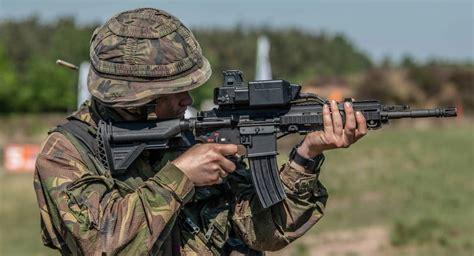
In response to the evolving threat posed by micro and mini drones on the modern battlefield, the United States Marine Corps has formally ordered the SMASH 2000L fire control system—an advanced, AI-powered kinetic solution developed by Israeli defense tech firm Smartshooter. This strategic acquisition underscores the urgent need for frontline counter-drone capabilities that are not only lightweight and mobile but also surgically precise.
Developed as a “hard-kill” platform, the SMASH 2000L marks a crucial leap in the Marines’ ability to neutralize low-cost, high-risk aerial threats in close combat scenarios. Unlike electronic warfare tools that aim to jam or disable drone operations remotely, the SMASH 2000L physically eliminates aerial targets using precision-guided aiming technology, giving ground forces a tangible and immediate defense against drone incursions.
SMASH 2000L: A Compact Powerhouse of AI, Optics, and Tactical Precision
Weighing in as the lightest member of Smartshooter’s product line, the SMASH 2000L integrates cutting-edge artificial intelligence, computer vision, and predictive tracking algorithms. These features work cohesively to detect, classify, track, and lock onto fast-moving drone targets in a matter of seconds—transforming conventional firearms into smart weapon systems.
This system enhances not only the accuracy of the shooter but also maximizes first-round hit probability against dynamic and evasive targets like quadcopters and fixed-wing UAVs. The technology essentially overlays a tactical targeting interface onto the user’s sight picture, adjusting aim point in real-time based on environmental conditions and target movement.
Key operational advantages include:
- Real-time automatic target detection and tracking
- Integrated fire control logic to enable precision shooting
- Minimal training requirement for new operators
- Night and low-visibility adaptability using digital overlays and image recognition
Originally evaluated by the Joint Counter-small Unmanned Aircraft Systems Office (JCO) and the Irregular Warfare Technical Support Directorate (IWTSD), the SMASH 2000L has undergone rigorous field testing across combat environments. Its deployment by US Special Forces, as well as NATO allies, has further validated its utility in real-world missions.
A New Era of Squad-Level Drone Defense
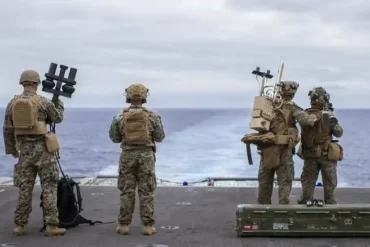
The Marine Corps’ decision to procure the SMASH 2000L signals a doctrinal shift: drone defense is no longer a specialized task reserved for elite units or centralized command structures—it is now a squad-level imperative. As small drones become ubiquitous in asymmetric warfare, every Marine on the ground may face drone-based surveillance or kinetic attack.
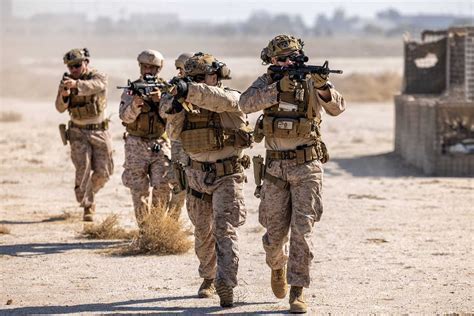
Michal Mor, CEO of Smartshooter, emphasized that this order is a key milestone toward integrating fire control technology into every combat unit, from rifle squads to expeditionary task forces. “We’re proud to provide a solution that’s been tested and proven under real operational conditions,” she stated, reinforcing Smartshooter’s vision of democratizing high-tech lethality for infantry units.
Such integration will help neutralize drones used for:
- Reconnaissance and battlefield surveillance
- Target acquisition and artillery correction
- Weaponized payload delivery (IEDs, grenades, etc.)
- Psychological warfare and civilian disruption
By arming Marines with SMASH 2000L-enabled rifles, the US military is essentially bringing down drones with bullets guided by AI, ensuring lethality even in GPS- or signal-denied environments.
Combat-Proven Across NATO and Beyond
The SMASH 2000L is not exclusive to American forces. In fact, it’s already in operational use with military and homeland security units in Israel, the United Kingdom, and several NATO countries. Its battlefield credentials include usage in urban combat zones, counter-terror operations, and perimeter security roles.
The system’s global acceptance is driven by three critical factors:
- Interoperability across various firearm platforms
- Rapid threat response capability in fluid environments
- Resilience against jamming or spoofing tactics, common in drone warfare
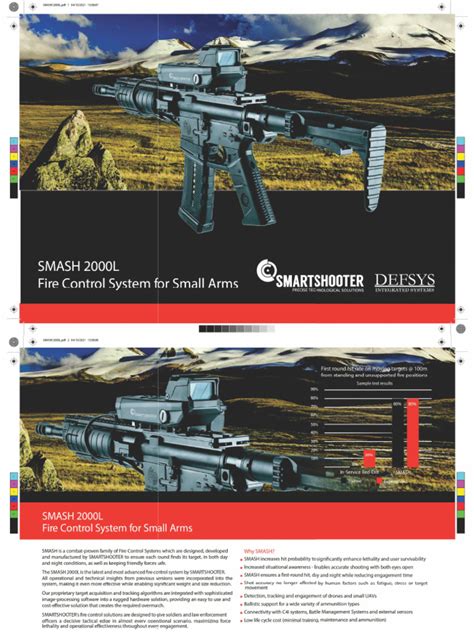
In many ways, the SMASH 2000L embodies the convergence of soldier and machine. It leverages computational power and optical clarity to empower human shooters with the precision of autonomous systems—without removing human judgment from the kill chain.
Implications for Modern Warfare and Marine Doctrine
This acquisition is more than a procurement—it’s an operational doctrine shift. Counter-drone capabilities are now considered essential at the lowest echelons of combat operations, a reality driven by the democratization of drone technology in irregular and near-peer warfare alike.
Adversaries in theaters like Ukraine, Syria, and the Indo-Pacific have demonstrated how cost-effective drones can upend conventional force structures. The SMASH 2000L provides a counterweight to this imbalance by allowing a single Marine to defeat a drone threat without calling for air defense support or relying on bulky EW equipment.
It also aligns with the Marine Corps’ broader push for distributed operations, where small, agile units operate independently over large distances. These units, often without immediate logistical or air support, need autonomous defensive tools like SMASH to safeguard their movements and positions.
Looking Ahead: Tactical Expansion and Platform Integration
Though the current order focuses on dismounted units, future iterations of the SMASH family are expected to see integration into vehicle turrets, remote weapon stations, and even drone-on-drone combat systems. Smartshooter has hinted at modular variants and AI software upgrades that could evolve with the threat landscape.
As swarm drones, stealth UAVs, and AI-guided aerial threats continue to proliferate, future solutions may involve:
- Multi-target tracking and engagement
- Integration with radar and sensor fusion networks
- Augmented reality displays for enhanced situational awareness
- Secure data links for target sharing between units
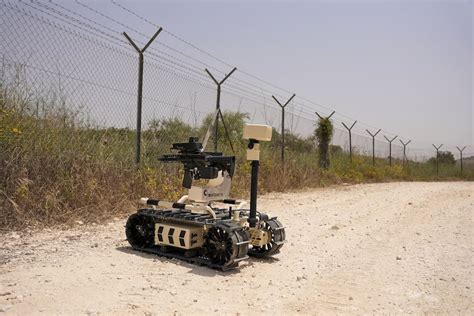
This vision aligns with the Pentagon’s Joint All-Domain Command and Control (JADC2) doctrine, which emphasizes data-centric, sensor-to-shooter connectivity across platforms. In such a network, SMASH-equipped units could not only shoot more accurately but also contribute to a shared threat picture in real time.
Conclusion: The SMASH 2000L Is a Force Multiplier
The Marine Corps’ embrace of the SMASH 2000L is a clear recognition that the battlefield is no longer two-dimensional. Threats come from the sky as readily as from the ground, and the tools to counter them must be as agile and smart as the threats themselves.
By equipping every squad with fire control-enhanced rifles, the US Marines are shifting from reactive to proactive drone defense. This isn’t just about shooting drones out of the sky—it’s about redefining what precision, agility, and autonomy look like on the modern battlefield.
As near-peer adversaries and irregular forces continue to exploit drone warfare, solutions like the SMASH 2000L represent a timely and necessary technological counterpunch, one that merges human skill with digital intelligence in the fight for tactical dominance.