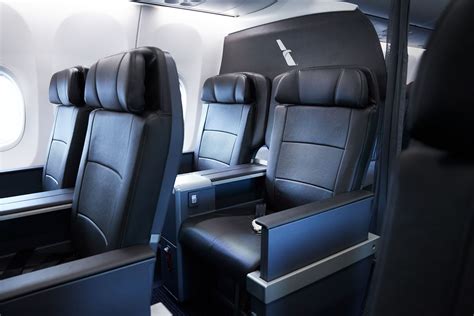
Premium economy has quietly transformed the way travelers think about long-haul flying. Once considered a simple upgrade between economy and business class, this cabin has evolved into one of the most carefully engineered products in modern aviation. Airlines now use premium economy to attract passengers who want more comfort, better service, and a smoother journey, but who are unwilling or unable to pay the much higher prices associated with business class.
Many travelers still misunderstand what they are actually purchasing when they select a premium economy ticket. Some believe it is simply an economy seat with extra legroom, while others expect a nearly business-class experience. The reality sits somewhere in between. Premium economy is a carefully balanced product designed around comfort, efficiency, and value.
The cabin has become increasingly important as airlines search for new ways to increase revenue while responding to changing passenger expectations. As long-distance flights become longer and travelers become more willing to pay for comfort, premium economy has moved from a niche offering into a major part of airline strategy.
The origins of premium economy are often traced back to EVA Air, which introduced the concept in the early 1990s with its innovative Evergreen Class. The idea was simple but powerful: create a cabin that provided meaningful improvements over economy while avoiding the extreme costs of business class.
Today, premium economy can be found on many long-haul aircraft operated by major international airlines. Although the exact features vary between carriers, the underlying idea remains the same: give passengers a noticeably better experience without requiring them to purchase a lie-flat seat.
Understanding what makes premium economy different helps travelers decide whether the additional fare is worthwhile. Beyond the larger seat, several hidden advantages make this cabin much more valuable than many passengers realize.
1. Premium Economy Is More Than Extra Legroom
One of the biggest misconceptions about premium economy is that it is simply an economy seat with more space. While additional legroom is certainly one of its advantages, the difference usually goes much deeper than seat pitch alone.
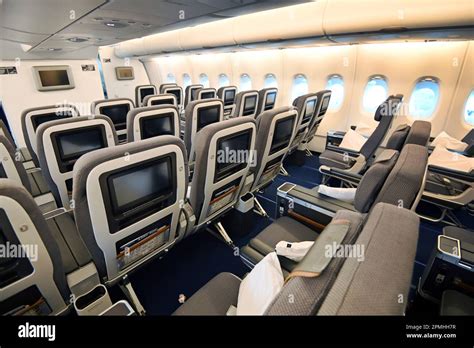
A genuine premium economy seat is often wider, more supportive, and designed differently from standard economy seating. Many airlines install seats with improved cushioning, deeper recline, adjustable headrests, larger armrests, and dedicated leg or foot supports. These details become increasingly important during long flights, especially those lasting eight, ten, or even fifteen hours.
A few extra inches may appear insignificant when viewed on a seat map, but the impact becomes obvious over an extended journey. In economy class, passengers often have limited freedom to adjust their position because every movement affects the person sitting nearby. Premium economy reduces that feeling of restriction by creating more personal space.
The design philosophy is not only about measurements but also about reducing physical fatigue. A wider seat allows passengers to change positions more naturally, while additional recline provides better opportunities for rest. A dedicated footrest can improve circulation and reduce discomfort during overnight flights.
For taller travelers, these differences can completely change the flying experience. Instead of constantly adjusting their knees, shoulders, or sleeping position, passengers can settle into a more relaxed posture. The seat becomes less of a place to endure the journey and more of a place to comfortably spend several hours.
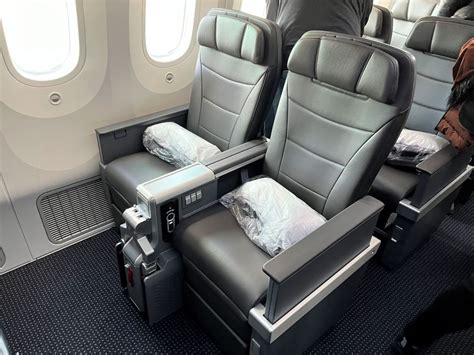
This explains why premium economy has become increasingly popular among travelers who do not require business class but still want a significant improvement over standard seating. The value comes from the fact that passengers can feel the difference immediately after sitting down.
2. Premium Economy Creates a Smaller Cabin Experience
Another detail many passengers overlook is that premium economy is not only about the seat. The surrounding environment plays a major role in shaping the experience.
On many aircraft, premium economy is located in a separate cabin section between business class and economy class. This creates a smaller, quieter environment with fewer passengers and less movement throughout the flight.
The difference becomes especially noticeable during long overnight journeys. In a large economy cabin, passengers are constantly surrounded by activity. People walk through the aisles, passengers line up for restrooms, and service carts frequently move between rows. Premium economy generally experiences less of this disruption because the cabin contains fewer seats.
This quieter atmosphere provides a psychological benefit that is difficult to measure but easy to experience. Premium economy passengers often describe the cabin as calmer, more organized, and less stressful compared with the crowded environment behind them.
The smaller cabin also allows flight attendants to provide more personalized attention. Although premium economy service does not match business class, the reduced passenger-to-crew ratio often makes interactions feel more attentive and efficient.
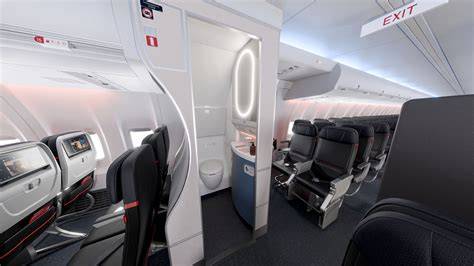
Airlines understand that premium travel is not only about physical comfort. It is also about creating a sense of space, privacy, and reduced stress. Premium economy succeeds because it offers some of the emotional benefits associated with premium cabins without the much higher price.
3. The Service Upgrades Are Often Underestimated
Many passengers focus entirely on the seat when considering premium economy, but the service improvements can be equally important. Airlines usually design premium economy as a complete travel product rather than simply a better chair.
Depending on the airline, passengers may receive improved meals, upgraded tableware, complimentary drinks, larger entertainment screens, additional power options, amenity kits, and enhanced onboard service.
These features may appear small individually, but together they create a different atmosphere. A better meal presentation or a more comfortable dining experience can make a long flight feel significantly less routine.
Premium economy also occupies an interesting position in airline pricing strategies. It is not designed to compete directly with business class. Instead, it provides enough improvement to justify a higher fare while maintaining a much lower operating cost.
For airlines, this creates an attractive revenue opportunity. A premium economy seat requires more space than economy but does not require the expensive infrastructure of business class, such as fully flat beds or extensive lounge services.
For passengers, the benefit is flexibility. They can enjoy many premium touches without paying several times the price of an economy ticket.
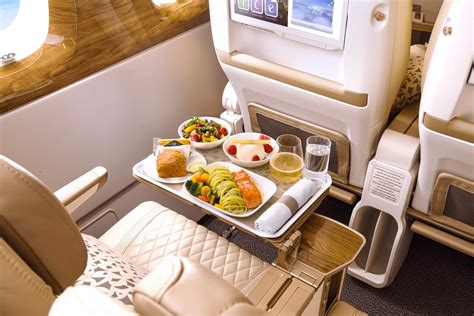
The emotional impact of these upgrades should not be ignored. Travel is not only about reaching a destination; it is also about how passengers experience the journey. Premium economy works because it makes travelers feel recognized rather than simply transported.
4. Premium Economy Benefits Often Begin Before Boarding
One of the least understood advantages of premium economy is that the experience may start long before passengers enter the aircraft.
Many airlines provide priority services for premium economy travelers, including dedicated check-in counters, priority boarding, additional baggage allowances, and faster airport procedures.
These benefits may not seem as impressive as a larger seat, but they can significantly improve the overall travel experience. Airports are often one of the most stressful parts of flying. Long queues, crowded boarding areas, and complicated transfers can create frustration before a passenger even reaches the aircraft.
Priority services reduce some of these problems by making the journey smoother from the beginning.
For frequent travelers, these small improvements add up. A faster check-in process, earlier boarding, and less waiting can make a long-distance trip feel more controlled and comfortable.
This is especially valuable for passengers traveling internationally, where airport procedures can often be tiring and time-consuming.
Premium economy therefore represents more than an upgraded section inside the aircraft. It creates a broader travel experience that combines improved airport treatment with enhanced onboard comfort.
5. Premium Economy Exists Because Airlines Found the Perfect Middle Ground
The greatest secret behind premium economy is that it was created to solve a specific problem. Airlines needed a product for passengers who wanted more than economy but did not want to pay for business class.
This group represents millions of travelers around the world. Some are leisure passengers celebrating a special trip. Others are business travelers whose companies will not authorize expensive business-class fares. Many simply want a more comfortable long-haul experience without unnecessary luxury.
Premium economy successfully fills this gap because it offers a meaningful improvement while keeping prices relatively accessible.
The cabin represents one of the smartest examples of airline market segmentation. Instead of offering only economy and business class, airlines created a product that captures passengers in between those categories.
This strategy has proven highly successful. As travelers become more aware of comfort differences, demand for premium economy continues to grow. Airlines are responding by installing larger cabins, improving seats, and adding more routes with premium economy options.
The future of premium economy appears strong because it matches modern passenger priorities. Many travelers today value comfort but remain price-conscious. They want a better journey, but they also want reasonable value.
Premium economy has become successful because it understands that passengers do not always need luxury. Sometimes they simply want enough extra space, service, and convenience to make a long flight enjoyable.
Ultimately, premium economy is not just a halfway point between economy and business class. It is a carefully designed cabin built around a different idea of travel: better comfort without unnecessary excess. For many passengers, that balance may make it the smartest choice on a long-haul flight.