China’s space program has reached a major milestone with the successful recovery of a Long March 10B reusable rocket booster, signaling that the country is moving closer to competing with SpaceX’s reusable launch technology. The achievement represents one of China’s most important steps toward reducing launch costs, increasing mission frequency, and developing a stronger position in the global commercial space industry.
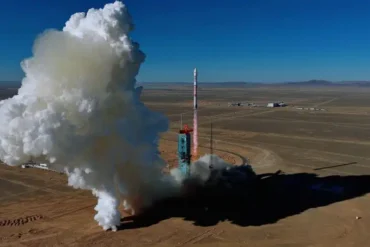
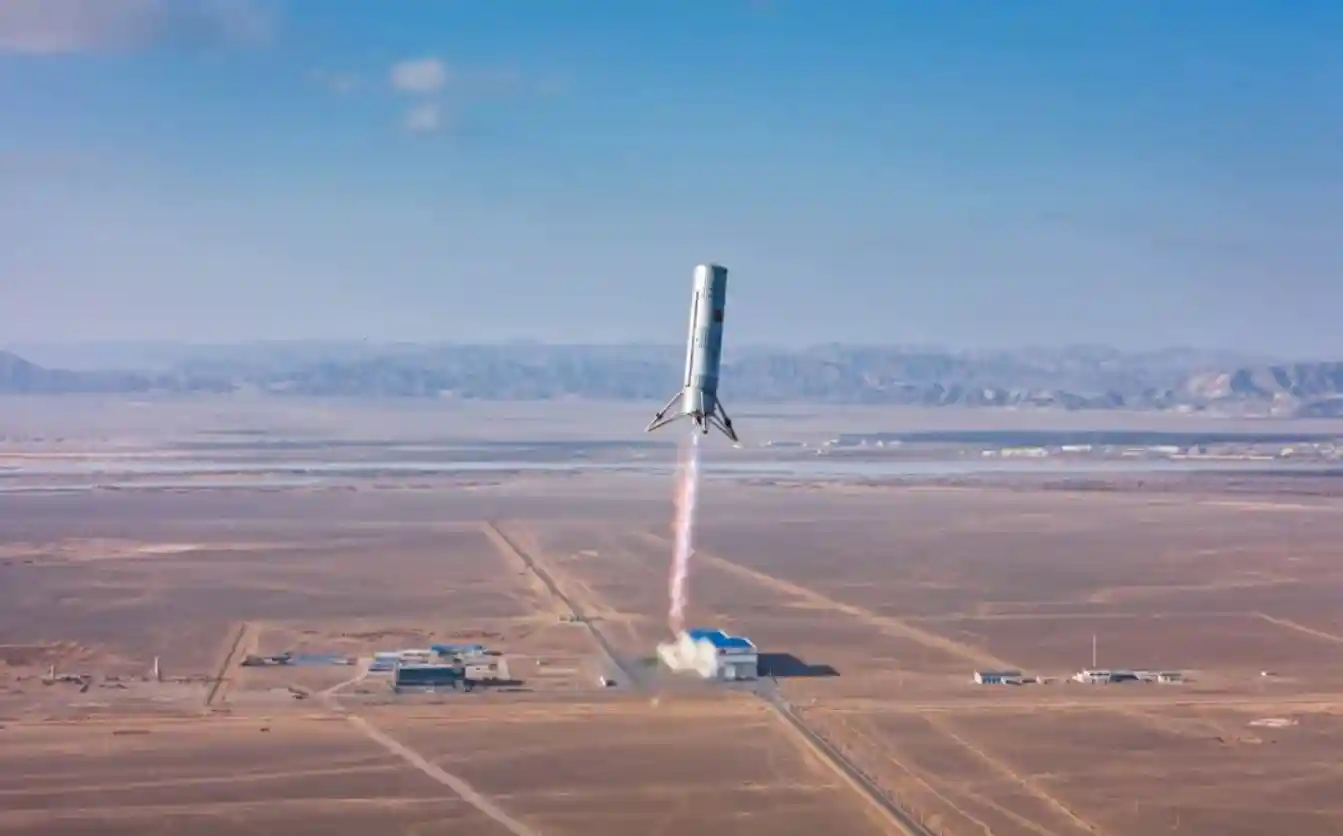
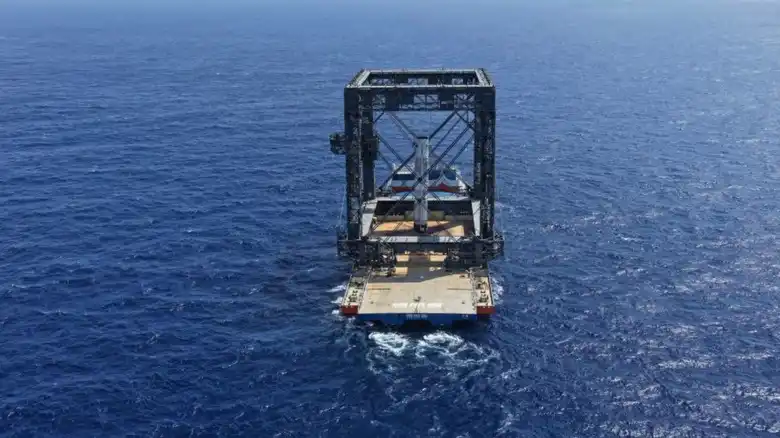
The breakthrough came when the China Aerospace Science and Technology Corporation (CASC) successfully landed the Long March 10B booster on a recovery ship after its maiden flight from the Hainan International Commercial Aerospace Launch Center. The mission demonstrated that China is no longer simply studying reusable rockets but actively developing systems designed for repeated flights.
The successful recovery is especially notable because CASC achieved a barge landing on the first attempt. Historically, reusable rocket development has required years of testing, failures, and engineering improvements. China’s rapid progress suggests that its aerospace sector is accelerating development as competition in commercial space becomes increasingly intense.
China’s Long March 10B Enters the Reusable Rocket Race
The Long March 10B is designed as a powerful reusable launch vehicle based on the Long March 10A family. The booster measures approximately 16.4 feet in diameter and uses seven liquid oxygen–kerosene engines to generate the thrust required for orbital missions.
During its first flight, the rocket successfully delivered a satellite into orbit before returning its booster to a specially designed recovery platform. The vehicle currently has a reusable payload capability of around 17 tons to low-Earth orbit, which places it below SpaceX’s Falcon 9, capable of carrying roughly 25 tons to the same destination.
However, payload capacity is only one part of the reusable rocket equation. China’s long-term objective is likely to improve performance through additional testing, manufacturing improvements, and operational experience. Like SpaceX’s early Falcon program, the Long March 10B may evolve significantly as engineers refine recovery procedures and increase flight reliability.
The development also fits into China’s wider space ambitions. The country has expanded operations of the Tiangong space station, increased crewed missions, and invested heavily in commercial launch infrastructure. Reusable rockets are becoming a central technology for reducing the cost of maintaining a competitive space economy.
Can China Really Compete With SpaceX?
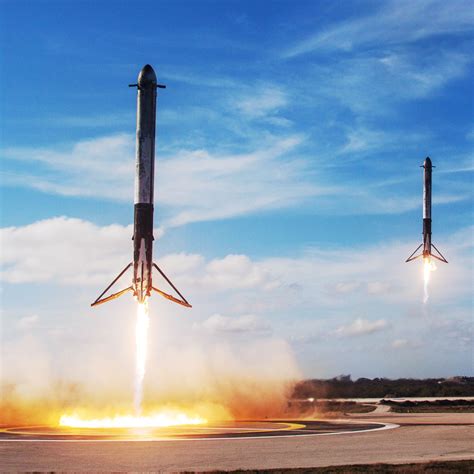
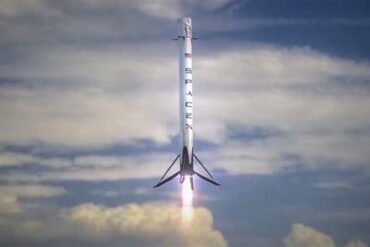
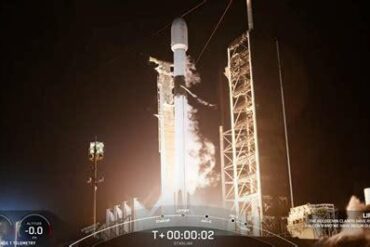
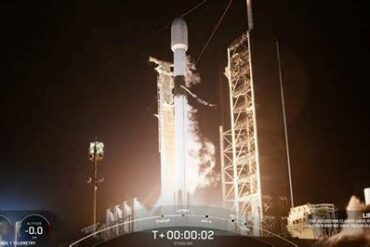
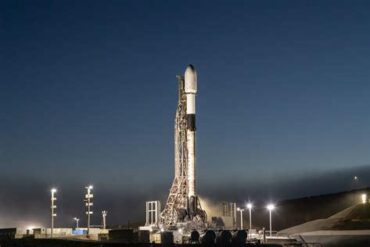
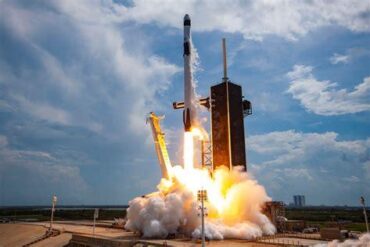
SpaceX currently dominates the commercial launch market because it has combined rocket reusability, high launch frequency, and proven reliability. The company has completed hundreds of successful missions, creating confidence among satellite operators, scientific organizations, and government customers.
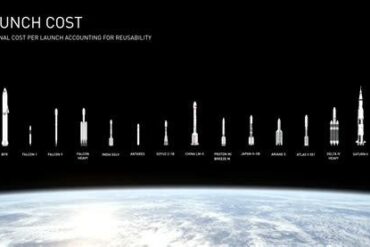
China’s achievement with the Long March 10B is significant, but matching SpaceX will require much more than a successful landing. A reusable rocket must demonstrate consistent turnaround times, reliable refurbishment processes, and the ability to conduct frequent missions at competitive prices.
One major advantage China possesses is government support. CASC is a state-owned aerospace organization, meaning Beijing could provide strategic funding or pricing support to accelerate the growth of domestic launch services. Lower launch costs could help Chinese companies attract customers in emerging space markets.
However, China faces international restrictions that limit its ability to compete globally. The International Traffic in Arms Regulations (ITAR) in the United States prevents many American-made satellites and satellite components from being launched on Chinese rockets. This restriction has significantly reduced China’s access to parts of the international commercial satellite market.
China’s Unique Rocket Recovery Technology
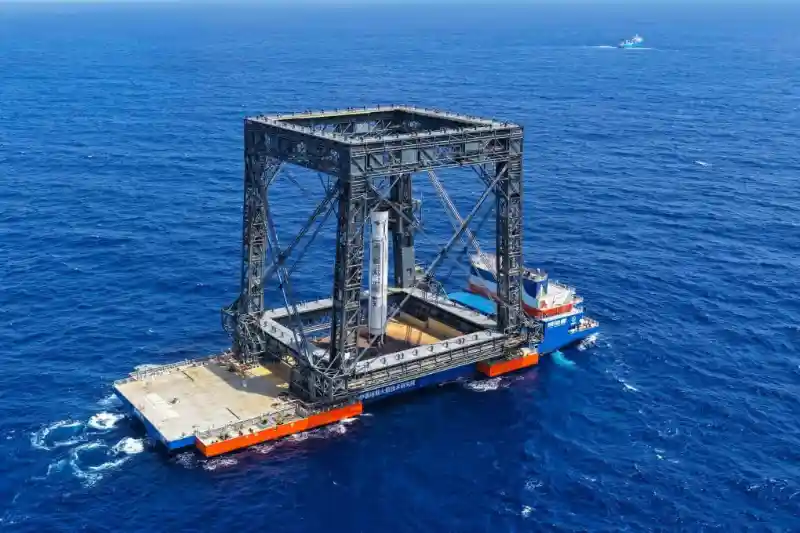
While the Long March 10B shares similarities with SpaceX’s Falcon 9, China has introduced a different approach to booster recovery. Instead of using traditional landing legs, the recovery ship named Linghangzhe, meaning “Pathfinder,” uses a cable-based catching system.
The technology resembles the arresting cable systems used on aircraft carriers to stop fighter jets during landing. A network of moving cables adjusts its position using sensors and computer algorithms, allowing the system to align with the incoming rocket booster.
This approach could provide several advantages. By removing heavy landing legs from the rocket design, engineers may reduce weight and potentially improve future reusability. The system could also reduce mechanical stress during landing by absorbing impact energy through the cable mechanism.
The success of this recovery method demonstrates that China is exploring alternative solutions rather than simply copying existing systems. If proven reliable over multiple flights, the technology could become an important part of China’s reusable launch strategy.
The Future of Global Rocket Competition
China’s reusable rocket breakthrough does not immediately threaten SpaceX’s leadership, but it marks a major shift in the space industry. The competition is moving from traditional expendable rockets toward reusable systems that can operate more like commercial transportation networks.
CASC is not the only Chinese organization pursuing reusable launch technology. Companies including LandSpace, Space Pioneer, and the Shanghai Academy of Spaceflight Technology are also developing next-generation rockets designed to compete in the growing commercial space sector.
The next major test will be whether China can transform this successful demonstration into a reliable launch operation. SpaceX’s advantage comes from years of experience, hundreds of missions, and a mature reuse system. China must now prove that its rockets can fly repeatedly, quickly, and economically.
The Long March 10B recovery is an important milestone, but it is only the beginning of a much larger competition. As both nations continue investing in reusable spacecraft, the global space industry may enter a new era where lower launch costs and faster mission cycles redefine access to orbit.