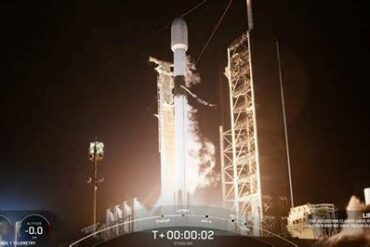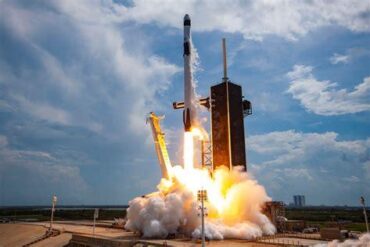
In 2025, SpaceX redefined the global space launch landscape, completing an unprecedented 165 orbital launches, a figure that not only surpassed its own previous records but also accounted for over 51% of all global rocket launches. Out of a total of 320 orbital attempts made by all space-faring entities worldwide, more than half belonged to a single company. This milestone not only marks a monumental technical and operational achievement but signals a paradigm shift in how humanity accesses and utilizes space.
Relentless Falcon 9: The Backbone of Orbital Success
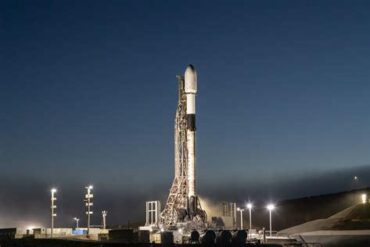
At the core of this launch surge was the Falcon 9, SpaceX’s dependable workhorse. While attention often turned to the towering Starship and its explosive prototypes, the Falcon 9 quietly revolutionized orbital logistics, executing mission after mission with industrial efficiency. All 165 missions successfully delivered their payloads. Only one booster failed to land, while two others were purposefully left in orbit — minor footnotes in an otherwise stellar record.
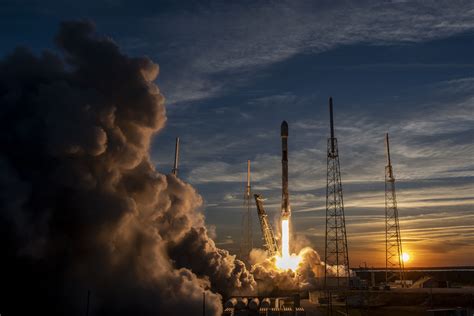
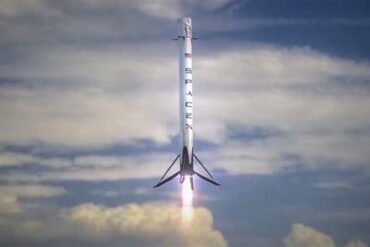
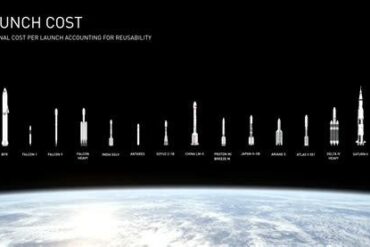
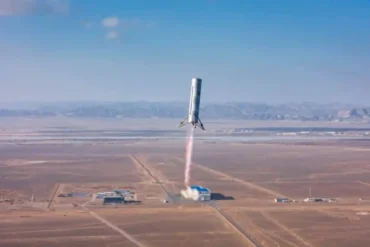
SpaceX achieved 162 successful booster recoveries in 2025 alone — a figure once thought to belong in science fiction. Some individual boosters have now flown more than 30 times, demonstrating not only cost efficiency but also an evolving durability standard. These results emphasize a revolutionary model of rocket reusability that no other launch provider has yet matched at scale.
A Launch Every Other Day: Normalizing Spaceflight
When we average SpaceX’s launch cadence, we arrive at a staggering figure: one successful orbital launch every 2.2 days. This metric dwarfs what any single nation — let alone private company — has accomplished before. SpaceX alone matched and exceeded the combined output of all other launch providers globally.
This dominance has altered the logistics and economics of orbital access. Governmental and commercial payloads alike now rely on SpaceX’s tempo, and scheduling a ride to space has become far more accessible and predictable. The Falcon 9 is no longer just a rocket; it is an infrastructure layer for low-Earth orbit.
Starlink: Ambition at Orbital Scale
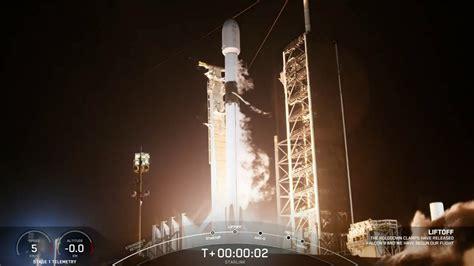
Of the 165 Falcon 9 launches, a remarkable 123 were dedicated to expanding the Starlink satellite constellation. This represented 74.5% of all SpaceX launches in 2025, underscoring how central Starlink is to the company’s operational strategy. With roughly 9,000 satellites now circling the Earth, SpaceX has built the most expansive satellite internet network ever conceived.

However, this growth introduces critical challenges. Orbital congestion is becoming a high-stakes issue. As satellite density increases, so does the risk of collisions and debris proliferation. The recent detonation of a malfunctioning satellite emphasized the fragile, interconnected nature of orbital traffic. Experts warn that without standardized traffic protocols, space may soon face its version of highway gridlock.
The International Landscape: Competitors and Rising Tensions
SpaceX’s supremacy does not exist in a vacuum. The rest of the world, while unable to match its 2025 output, is advancing rapidly. China logged a record year of launches, expanding its domestic satellite networks and lunar ambitions. Blue Origin’s New Glenn rocket finally achieved its first successful test flight, and Rocket Lab’s Neutron is poised for debut in 2026.
Meanwhile, U.S. geopolitical strategy remains interwoven with SpaceX’s orbital leadership. With government budgets under pressure, particularly amidst calls to reduce NASA spending, private sector success is being leaned on more heavily than ever. Yet reliance on one company creates structural risks for national space strategies.
The Frontier Ahead: Innovation and Responsibility
SpaceX has indisputably shifted the center of gravity in the global space sector. But with great success comes escalating responsibility. The company has demonstrated it can scale launches, recover boosters, and build orbital constellations at unprecedented speed. The next test will be governance: Can SpaceX contribute to building the norms and systems needed to sustain safe, collaborative space access for all?
As we move into 2026, the question is no longer whether regular spaceflight is possible, but whether it can remain sustainable under the pressure of exponential growth. Falcon 9’s legacy is secure, but the work of managing what it has enabled is just beginning.