The price tag displayed for a modern fighter jet often creates a misleading impression. Headlines frequently highlight figures such as the $82 million flyaway cost of an F-35A or the estimated unit price of aircraft like the F-16 Block 70, Rafale, Eurofighter Typhoon, and Gripen E. These numbers appear enormous, yet they represent only the beginning of a much larger financial commitment. Purchasing a fighter aircraft is not like buying a commercial airplane or a luxury vehicle where the listed price represents most of the expense. Instead, it is the entry point into a complex military capability that requires weapons, training, infrastructure, maintenance systems, software upgrades, and decades of operational support.
The concept of a fighter jet’s true cost is often misunderstood because governments and manufacturers frequently emphasize the flyaway price. This figure is useful for comparing aircraft production costs, but it does not represent the cost required to make the aircraft combat-ready. A nation buying a fighter jet is not simply purchasing an aircraft sitting on a runway. It is purchasing an entire ecosystem designed to create airpower, including pilots capable of operating the aircraft, technicians able to maintain it, weapons capable of engaging targets, and supporting systems that allow the aircraft to perform effectively.
A modern fighter aircraft is closer to a complete military network than a standalone machine. The aircraft itself may represent only a fraction of the total investment. Once additional requirements are included, the final price can increase dramatically, sometimes doubling or even tripling the original advertised figure.
Flyaway Cost: The Fighter Jet Price That Does Not Tell the Full Story
The term flyaway cost refers to the approximate cost of producing one additional aircraft and delivering it from the factory. It generally includes the aircraft’s permanently installed systems, such as engines, radar, avionics, sensors, electronic warfare equipment, and onboard computers. However, it does not include many of the elements necessary for operating the aircraft as an effective military asset.
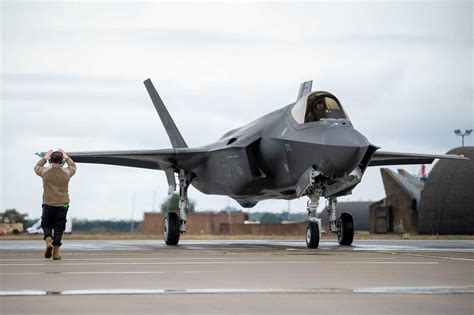
For example, the latest production batches of the F-35A Lightning II have had an average flyaway cost of around $82.5 million per aircraft. The short takeoff and vertical landing F-35B costs approximately $109 million, while the carrier-based F-35C costs roughly $102 million. On paper, these prices appear surprisingly competitive considering the aircraft’s advanced stealth technology, sensor fusion capabilities, and networked warfare systems.
However, the aircraft leaving the factory is not a complete combat capability. A nation purchasing F-35s must also invest in weapons, pilot training, maintenance equipment, spare parts, simulators, software support, infrastructure upgrades, and long-term sustainment agreements.
The same principle applies to other aircraft. The F-16 Block 70 may cost approximately $60 million to $70 million per aircraft, while the Gripen E is estimated at around $70 million to $80 million. The F-15EX, Rafale F4, and Eurofighter Typhoon Tranche 4 generally fall between roughly $95 million and $120 million per aircraft.
These figures provide useful comparisons, but they do not represent the total financial burden of creating a functioning fighter fleet.
A Fighter Jet Cannot Fight Without the Supporting Package
A country purchasing modern combat aircraft usually buys a complete package rather than individual jets. These packages often include weapons, spare engines, maintenance equipment, training programs, technical documentation, ground systems, simulators, and contractor support.
For many international fighter contracts, the aircraft itself represents only a portion of the total purchase price. A package of 24 fighters could cost $6 billion, while the aircraft portion may account for only $2.5 billion. The remaining money pays for everything required to operate those aircraft effectively.
Weapons are often one of the largest expenses. A fighter without missiles and precision-guided weapons is essentially an expensive flying sensor platform. Countries must purchase air-to-air missiles, air-to-ground weapons, targeting systems, and additional equipment that allow aircraft to perform their missions.
Training is another major expense. Fighter pilots require years of preparation before becoming fully operational. They must learn aircraft systems, tactics, weapons employment, mission planning, and complex battlefield coordination. Maintenance personnel require equally extensive training because modern fighters contain highly advanced electronics and software systems.
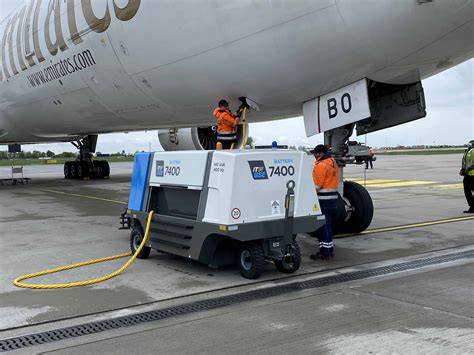
Infrastructure can also add hundreds of millions or billions of dollars to a program. A new generation of aircraft may require redesigned hangars, secure data networks, specialized maintenance facilities, and updated airbase equipment.
This explains why an export fighter deal advertised at a certain aircraft price can ultimately become several times more expensive.
Weapons Can Cost More Than the Aircraft Over Time
One of the most overlooked costs of operating fighter jets is ammunition. Modern missiles are sophisticated systems containing advanced sensors, propulsion technology, guidance computers, and electronic counter-countermeasure capabilities. They are not simple accessories added after purchasing the aircraft.
For example, the Meteor beyond-visual-range air-to-air missile used by aircraft such as the Gripen E, Eurofighter Typhoon, and Rafale is considered one of the world’s most advanced air combat missiles. Each missile costs roughly €2 million.
A single Gripen E carrying seven Meteor missiles and two IRIS-T short-range missiles could theoretically launch weapons worth more than $15 million during one mission. In a high-intensity conflict, a nation could spend more on replacing missiles than it originally spent purchasing the aircraft.
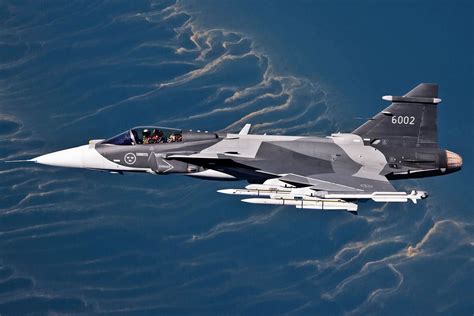
This changes the economics of fighter aviation. During peacetime, the aircraft itself dominates discussions about cost. During wartime, however, weapons consumption, maintenance demands, replacement parts, and operational tempo become equally important financial factors.
The same pattern can be seen in larger military budgets. Missile procurement programs can rival or exceed aircraft procurement spending because maintaining an effective combat capability requires a continuous supply of weapons.
Training Pilots and Maintenance Crews Adds Billions
A fighter jet is only as effective as the people operating and supporting it. Developing skilled pilots and technicians is one of the most expensive parts of maintaining a modern air force.
Training a fighter pilot involves aircraft instruction, simulator sessions, weapons training, tactical exercises, and operational experience. The cost of producing a qualified pilot can reach millions of dollars before that pilot becomes ready for frontline duties.
The transition to advanced aircraft can increase training expenses further. Moving from a fourth-generation aircraft such as an F-16 or F-15 to a fifth-generation aircraft like the F-35 requires new approaches to mission planning, data management, and battlefield coordination.
The aircraft itself may also require specialized maintenance training. Stealth fighters require unique procedures for maintaining radar-absorbing materials, advanced sensors, and highly integrated computer systems.
However, advanced aircraft can sometimes reduce costs in other areas. For example, Switzerland selected the F-35A partly because it determined that the aircraft could require fewer flight hours and fewer takeoffs and landings compared with older aircraft. Lower training requirements and improved efficiency can partially offset higher acquisition costs.
Technology, Infrastructure, and Long-Term Support Shape the Real Price
The purchase of a fighter jet is usually a commitment lasting several decades. Aircraft purchased today may remain in service for 30 to 40 years, meaning the initial acquisition cost represents only a small part of the overall financial picture.
Over its lifetime, a fighter requires regular maintenance, software updates, component replacements, structural inspections, and capability upgrades. Modern fighters are increasingly software-driven platforms, meaning future improvements may depend on continuous digital development rather than traditional mechanical upgrades alone.
Countries must also consider industrial cooperation agreements, technology transfer, and manufacturing participation. International fighter sales often include requirements for local production, domestic maintenance capabilities, or economic offsets. These arrangements can increase costs but may provide long-term economic benefits.
The resale value of aircraft can also influence the overall investment. Some older fighters retain significant value because of their reliability and upgrade potential. Aircraft such as upgraded F-16s and F-5s have continued serving decades after their original introduction because their designs allow modernization.
The Cheapest Fighter Jet May Not Be the Cheapest Solution
Choosing a fighter aircraft is not simply about finding the lowest purchase price. Military planners must consider mission requirements, operating environment, future threats, and long-term sustainability.
A less expensive aircraft may require additional support assets to achieve the same mission capability. For example, a fighter with shorter range may require aerial refueling aircraft, additional bases, or more deployed units. A stealth fighter with greater range and advanced sensors may accomplish the same mission with fewer aircraft and fewer supporting assets.
Risk is another important factor. Established aircraft programs with decades of operational experience may offer greater confidence in future support and upgrades. Newer fighter programs may provide advanced technology but carry uncertainty regarding production schedules, maintenance systems, and long-term development.
The real question is not simply “How much does one fighter jet cost?” The better question is “How much does it cost to create and maintain the military capability that fighter provides?”
The True Cost of Airpower Goes Far Beyond the Price Tag
The advertised price of a fighter jet is only the first chapter of a much larger financial story. A modern combat aircraft represents a sophisticated ecosystem involving weapons, personnel, infrastructure, technology, logistics, and decades of support.
A fighter jet that appears to cost $80 million may ultimately require several times that amount before it becomes a fully operational capability. Governments purchasing these aircraft are not just buying machines; they are investing in an entire defense system designed to protect national interests for generations.
Understanding the difference between flyaway cost and total lifecycle cost reveals why fighter jets are among the most expensive military assets ever created. The aircraft itself is only the visible part of the investment. Behind every fighter flying a mission is a vast network of people, equipment, technology, and resources that make modern airpower possible.