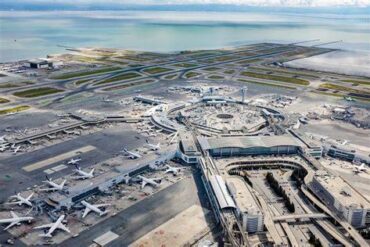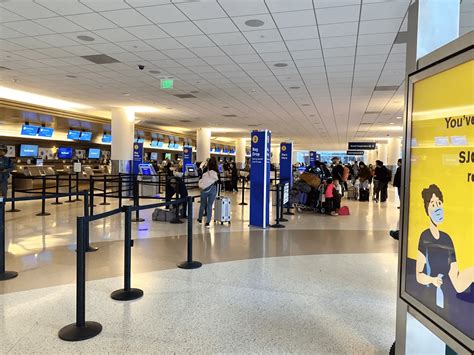
San José Mineta International Airport is heading into one of the most intense operational weeks in its modern history. With the Super Bowl driving a sudden and highly concentrated wave of travel, flight activity is spiking at levels that far exceed a typical Silicon Valley winter schedule. The numbers point to more than enthusiasm for football—they reveal a logistical stress test for an airport built for steady tech-driven traffic, not short-burst mega-events.
What makes this surge remarkable is not simply the increase in travelers, but the way demand is compressed into narrow windows. Airlines, airport operators, and ground services are all being forced to stretch fixed infrastructure to absorb a dramatic and uneven influx of passengers. For travelers, the experience will feel less like routine domestic flying and more like navigating a global summit.
San José has hosted major events before, but the Super Bowl introduces a uniquely synchronized travel pattern. Fans, media crews, league personnel, sponsors, and corporate guests all move according to the same clock. When everyone wants to arrive and depart at once, even a well-run airport begins to creak.
The result is a system running hot—designed for throughput, not forgiveness.
A 63% Flight Surge Redefines a Normal Week at SJC
Across the February 4–10 travel window, scheduled flights at San José Mineta International Airport jump from 725 to 896 departures, according to aviation data provided by Cirium. That increase of 171 additional flights represents roughly 24% overall growth, but the headline-grabbing figure comes from the most extreme day-to-day spikes.
Friday, February 6, marks the first major pressure point, with 164 scheduled flights compared to just 107 the week prior. That is a 53% surge concentrated almost entirely into a single day. Even more dramatic is Monday, February 9, when outbound flights leap to 173 from 106, a staggering 63% increase that places extraordinary strain on airfield operations, terminal flow, and staffing.
Unlike seasonal growth, this expansion is not gradual or spread evenly. Airlines are not introducing larger aircraft in bulk; instead, they are adding frequencies, packing more takeoffs and landings into the same runways, taxiways, and gate complexes. That approach maximizes revenue but leaves almost no margin for disruption.
Why Super Bowl Travel Breaks the Usual Airport Rhythm
The Super Bowl distorts travel behavior in predictable but unforgiving ways. Friday becomes a magnet for early arrivals tied to media events, sponsor activations, and hospitality setups. Sunday, by contrast, sees reduced activity as travelers stay put for the game itself. That lull is deceptive, acting as the calm before a sharp and immediate reversal.
Monday is where the system truly strains. Travelers attempt to leave as soon as the final whistle blows, compressing departures into a single post-event exodus. This creates an operational cliff: high passenger volume, limited spare aircraft, and minimal recovery time between flights.
For airlines, this means tightly choreographed schedules with little flexibility. For passengers, it means that any delay—weather, air traffic control flow restrictions, or mechanical issues—can ripple outward quickly, triggering missed connections and limited rebooking options.
Where Travelers Will Feel the Pressure First
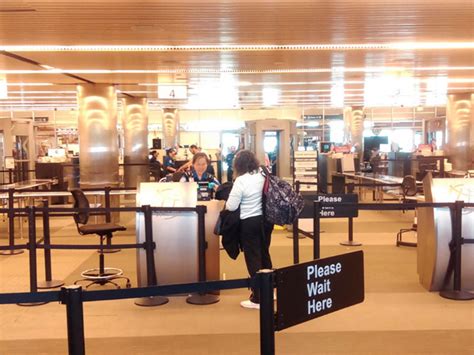
Flight counts alone do not tell the full story. Airports function as ecosystems, and when volume surges suddenly, every link in the chain feels it at once. Security checkpoints experience longer queues as passenger arrival curves steepen. Gate areas grow crowded as boarding overlaps increase. Rental car facilities and rideshare curbs become choke points as ground transportation demand peaks simultaneously.
On February 6 and especially February 9, travelers should expect longer security wait times, full aircraft, and tighter boarding windows. Premium cabins will be heavily booked, and one-way fares will reflect the predictability of demand. The system is optimized for movement, not comfort.
This is also where San José’s typically efficient reputation is tested. Unlike hub airports built for constant surges, SJC operates best under steady flows. A Super Bowl surge pushes it briefly into hub-like intensity without hub-level redundancy.
Planning Becomes the Deciding Factor for a Smooth Trip
For anyone traveling through San José during Super Bowl week, preparation is not optional. Arriving earlier than usual, building buffer time into connections, and avoiding same-day critical commitments becomes essential. This is not a week designed for improvisation.
The airport will move people through—it always does—but the margin for error will be thin. In a system tuned for maximum throughput, patience and planning become the traveler’s most valuable carry-on.
As San José braces for its busiest moments, the Super Bowl once again proves that the biggest game in American sports reshapes far more than the scoreboard. It temporarily rewires the nation’s air traffic map, and this year, Silicon Valley sits squarely at the center of the turbulence.