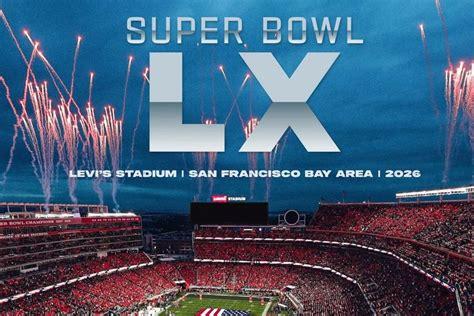
American Airlines is accelerating its Super Bowl LX strategy with a decisive expansion that pushes capacity at San Jose International Airport to levels rarely seen outside holiday peaks. With the championship set for February 8 at Levi’s Stadium in Santa Clara, the carrier has confirmed additional flights and carefully themed services aimed squarely at fans traveling from Boston and Seattle, two cities now fully invested in the matchup. The move reinforces American’s intent to dominate premium and leisure demand during one of the busiest sports travel windows of the year.
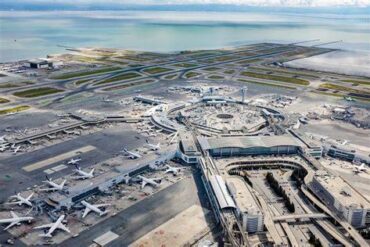
The latest additions build on a previously announced surge of more than 10,000 extra seats scheduled between February 5 and February 10. By concentrating capacity at San Jose, the closest major airport to the stadium, American is capturing travelers who prioritize convenience over connecting itineraries into larger Bay Area hubs. The strategy also reflects confidence that demand will extend beyond game day, covering pre-event celebrations and post-game returns.
From an operational standpoint, the scale is striking. American’s Super Bowl schedule elevates its San Jose presence to more than 450% of normal capacity, a sharp but calculated spike that relies on both frequency growth and larger aircraft. This approach allows the airline to protect yield while offering flexibility to travelers booking late, a common pattern for championship events.
Boston And Seattle Get Tailored Super Bowl Service
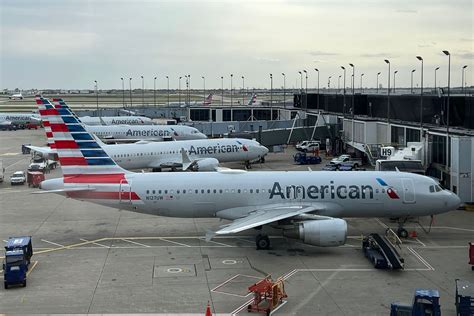
With the finalists confirmed, American quickly activated targeted flights from Boston Logan International Airport and Seattle-Tacoma International Airport. Three additional outbound services from each city operate in the days leading up to the game, paired with return flights on February 9 and 10 to handle the immediate post-Super Bowl rush. Every added frequency is already open for booking, and early indicators suggest strong demand.
Beyond capacity, American leaned into storytelling. The Boston service uses flight numbers that reference Tom Brady’s six Super Bowl titles and the pursuit of a seventh, while Seattle’s numbering nods to the Seahawks’ iconic “12th Man” fan culture. These details may be subtle, but they resonate with loyal supporters and reinforce the airline’s brand presence during a nationally watched event.
A Network-Wide Capacity Play Centered On San Jose
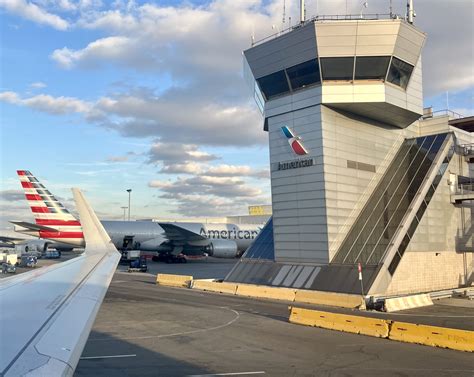
The Boston and Seattle flights are only part of a broader network maneuver. American has scheduled special services to San Jose from Charlotte, Chicago O’Hare, Los Angeles, Miami, New York JFK, and Philadelphia, while upgrading aircraft size on routes from Dallas Fort Worth and Phoenix. The result is a dense web of nonstop options feeding directly into Silicon Valley.
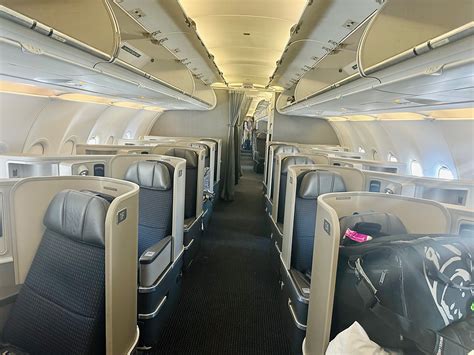
One standout is the deployment of the Airbus A321T on select New York JFK flights. Designed for transcontinental demand, the aircraft features premium-heavy seating with Flagship First and Flagship Business cabins, complemented by an expanded Main Cabin Extra section. This configuration aligns neatly with Super Bowl travel demographics, where corporate travelers, sponsors, and high-value customers are willing to pay for comfort and timing.
Super Bowl LX And The Broader Travel Surge
The Super Bowl remains the single most powerful driver of short-term aviation demand in the United States. Tens of thousands of fans converge on the host city, while millions more track the event from afar. Airlines respond with temporary schedule changes that resemble miniature seasonal peaks, compressing weeks of demand into a narrow window.
Commercial aviation is only one piece of the picture. Private jet activity typically surges around the game, and military participation, including ceremonial flyovers, adds further complexity to airspace management. For carriers like American, success depends on precision planning, rapid schedule adjustments, and the ability to scale staffing and ground operations without disruption.
Competitive Pressure From Other US Airlines
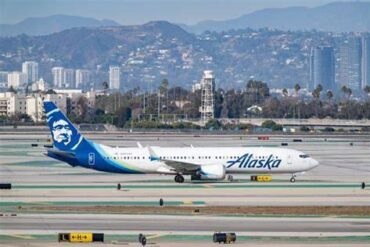
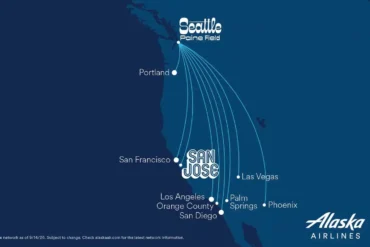
American is not alone in reinforcing Super Bowl capacity. Alaska Airlines and JetBlue have also announced supplemental flights, particularly from markets tied closely to the competing teams. This competitive backdrop raises the stakes, making on-time performance, pricing discipline, and customer experience critical differentiators during the travel rush.
Yet American’s early commitment and sheer volume of added seats give it a commanding position at San Jose. By combining themed flights, premium aircraft, and a dense network of nonstops, the airline has turned Super Bowl LX into a showcase of operational muscle and brand awareness. For travelers, the message is clear: seats are available, but hesitation may come at a premium.
As kickoff approaches, booking patterns suggest fares will tighten quickly, rewarding early planners while testing last-minute travelers. American’s Super Bowl expansion underscores how major events reshape airline networks overnight, turning a regional airport into a national gateway driven by sport, spectacle, and strategic aviation economics.