The Super Bowl has always been a spectacle of extremes. Extreme viewership, extreme ticket prices, extreme logistics. Yet tucked behind the roar of the stadium and the glare of halftime shows is a less obvious story—one where aviation turns a surge of demand into an unexpected bargain. As Super Bowl LX approaches Levi’s Stadium in San Jose, airlines are not merely reacting to fan frenzy. They are executing a finely tuned, capacity-driven strategy that transforms what should be peak-price chaos into one of the most counterintuitive moments in air travel economics.
At first glance, this feels backwards. Tens of thousands of fans converging on a single metro area should push fares skyward. History suggests otherwise. Over the past decade, the Super Bowl has become a masterclass in how airlines weaponize scale, flexibility, and network planning. Instead of scarcity, they create abundance. Instead of runaway pricing, they flood the market with seats. The result is a rare travel paradox: the biggest game in American sports often produces some of the cheapest airfares of the year for host cities.
Super Bowl LX is shaping up to follow that same playbook, only louder, larger, and more strategically refined. The San Francisco Bay Area—anchored by San Jose, San Francisco, and Oakland—has become the focal point of one of the most aggressive short-term aviation expansions in recent memory. And leading the charge is an airline that, under normal circumstances, barely registers in San Jose at all.
Why the Super Bowl Has Become an Aviation Bargain
The economic logic behind Super Bowl airfare defies casual intuition but makes perfect sense to network planners. Airlines care less about filling individual flights and more about maximizing total system revenue while defending market share. When a Super Bowl lands in a major metro area, demand spikes sharply but predictably. That predictability is gold.
Rather than letting prices climb until fans balk, airlines respond by adding aircraft, increasing frequencies, and temporarily opening routes that do not exist the rest of the year. This strategy does two things at once. It captures incremental demand while also preventing competitors from monopolizing premium travelers. The supply curve shifts right faster than demand rises, and fares stabilize—or even fall.
This pattern has repeated itself year after year. Super Bowl LIX in New Orleans was a textbook example. Capacity rose by roughly 25% across major routes, and average fares dropped on nearly every city pair analyzed. In some cases, the drops were dramatic. Nashville–New Orleans tickets fell by nearly 73% as airlines flooded the market with seats. The lesson was unmistakable: when airlines compete aggressively, passengers win.
Super Bowl LX is no different in principle, but the Bay Area introduces new wrinkles. Multiple airports, intense corporate travel demand, and a tech-driven economy give airlines more levers to pull. The result is not just cheaper flights, but smarter ones—timed precisely around fan travel patterns, team loyalties, and even emotional symbolism.
American Airlines’ San Jose Blitz Changes the Game
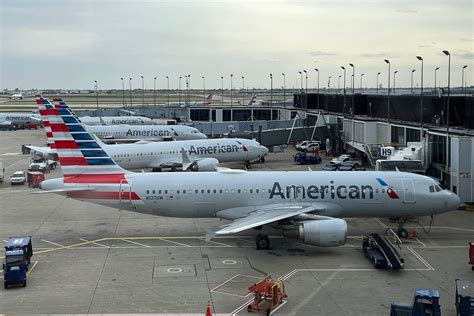
Under normal conditions, American Airlines is a minor presence at Norman Y. Mineta San Jose International Airport. Its daily footprint is modest to the point of invisibility, with just a handful of flights linking San Jose to Dallas/Fort Worth and Phoenix. That restraint evaporates during Super Bowl LX.
In one of the most aggressive Super Bowl expansions ever seen, American Airlines increases its San Jose capacity by more than 450%, injecting over 10,000 additional seats into the market in a matter of days. This is not incremental growth. It is a controlled surge designed to dominate mindshare and market share simultaneously.
Beginning February 5, American’s San Jose map explodes from two destinations to ten. Nearly every major hub joins the lineup, including Chicago, Charlotte, Miami, New York–JFK, Philadelphia, Los Angeles, and expanded service from Dallas and Phoenix. Frequencies spike sharply, with Dallas reaching up to eight daily flights and Phoenix climbing to six.
The strategic intent is obvious. By anchoring its Super Bowl operation in San Jose—the closest airport to Levi’s Stadium—American positions itself as the most direct option for fans who value proximity over convenience. This is especially potent for high-spending travelers who prioritize time, comfort, and nonstop access.
One aircraft choice underscores that point. On select New York–JFK flights, American deploys the A321T, a premium-heavy aircraft configured with true first class and lie-flat business seats. This is not about volume alone. It is about capturing elite demand at precisely the moment when willingness to spend peaks.
Boston and Seattle: Fan Bases Turned Flight Plans
The Super Bowl is not just a destination event. It is a bi-coastal emotional migration. With the New England Patriots and Seattle Seahawks represented, airlines tailor capacity directly to fan psychology.
American’s one-off nonstop flights from Boston and Seattle to San Jose are emblematic of this approach. Operating daily between February 5 and February 7, these flights exist for one reason only: to move fans efficiently and visibly toward the game. Return flights cluster tightly after Sunday, mirroring the emotional rhythm of victory, defeat, and the collective exhale that follows.
Flight numbers themselves become storytelling devices. AA612 nods to Tom Brady’s six championships and iconic jersey number. AA412 pays homage to Seattle’s “12th Man” culture. These details cost airlines nothing, yet they generate disproportionate goodwill, media attention, and brand resonance.
This is modern aviation marketing at its most elegant. Capacity planning and emotional intelligence intersect, and the aircraft becomes both transportation and symbol.
Delta and Alaska Fortify the Bay Area Core
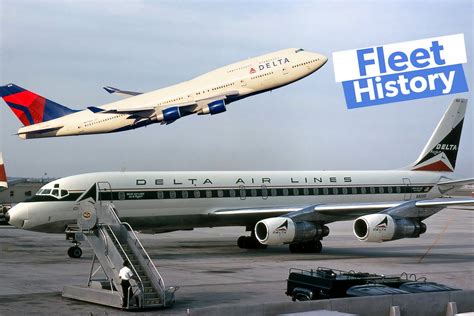
While American dominates the San Jose narrative, Delta Air Lines and Alaska Airlines reinforce the broader Bay Area ecosystem, particularly San Francisco International Airport. Delta expands Boston–San Francisco service from two daily flights to three on peak Super Bowl travel days, aligning perfectly with Friday arrivals and Monday departures. Seattle–San Francisco capacity, already robust, gains an extra return frequency to absorb post-game demand.
Delta’s San Jose strategy is quieter but no less deliberate. With approximately 16 daily flights under normal conditions, Delta layers in additional connectivity to hubs like New York–JFK, Atlanta, Los Angeles, and Salt Lake City. The result is a dense web of options that makes rerouting easy if one airport tightens.
Alaska Airlines, deeply entrenched in the Pacific Northwest, leans into its home-field advantage. By adding 16 round-trip flights between Seattle and the Bay Area, Alaska ensures Seahawks fans see its logo at every stage of the journey. This is less about yield optimization and more about brand ownership of a moment.
JetBlue’s targeted Providence–San Francisco service, though smaller in scale, fits the same philosophy. It captures a specific regional fan base often overlooked by legacy carriers, reinforcing the idea that Super Bowl aviation is as much about precision as it is about scale.
Why Airfare Stays Surprisingly Low
The most counterintuitive outcome of all this activity is price stability. Despite massive demand, airfare often emerges as the least painful line item in the Super Bowl budget. When tickets routinely exceed $8,000 and hotels multiply rates several times over, even a $400 or $500 flight feels reasonable. Yet in many cases, prices dip below normal seasonal averages.
The mechanics are straightforward. Airlines add capacity faster than demand grows, and competition intensifies across overlapping routes. Load factors matter, but strategic presence matters more. No carrier wants to be the one charging double while rivals undercut them with added frequencies.
Early indicators for Super Bowl LX suggest the pattern is repeating. One-way fares from San Jose to Boston hovering around $189 shortly after the game contrast sharply with typical $500 fares from San Francisco on similar dates. This divergence highlights a crucial insight: temporary Super Bowl routes can be cheaper than permanent ones, precisely because airlines are chasing scale, not margin.
Learning From Super Bowl LIX
Super Bowl LIX in New Orleans serves as a near-perfect analogue. Airlines added flights not only from major hubs but also from atypical markets like Philadelphia and Kansas City. Capacity surged, fares softened, and passengers benefited. Low-cost carriers joined the fray, injecting further downward pressure on prices.
The Bay Area’s airport mix alters the formula slightly. San Jose and San Francisco are less hospitable to ultra-low-cost carriers than New Orleans, while Oakland absorbs much of that segment. Even so, the underlying strategy remains intact. Airlines compete first on presence, then on pricing, and finally on experience.
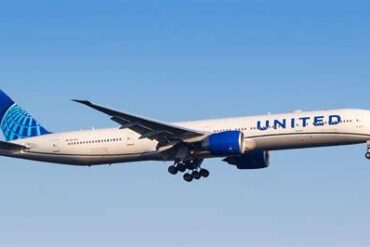
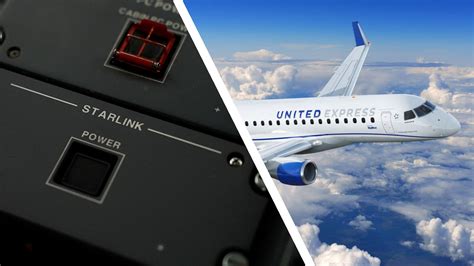
United’s response this year reflects that balance. Rather than headline-grabbing one-off routes, it fortifies its San Francisco hub and leverages brand storytelling through high-profile Super Bowl advertising. Its Starlink-equipped fleet becomes part of the narrative, positioning in-flight connectivity as an extension of the game itself.
Super Bowl Flights as Brand Theater
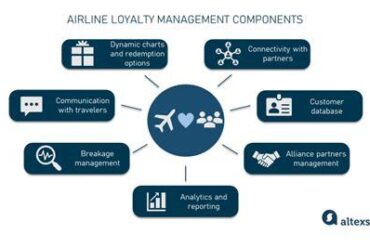
The Super Bowl is not just a travel event. It is the most concentrated branding opportunity in American culture. Airlines increasingly treat it as such. Special liveries, themed flight numbers, loyalty program tie-ins, and national advertising campaigns converge in a single weekend.
Delta’s 12Status program exemplifies this trend. By rewarding Washington state residents with SkyMiles for every Seahawks passing yard, Delta transforms fandom into future travel. The program’s Super Bowl tie-ins—priority boarding and retail discounts—extend the emotional arc long after the confetti settles.
These initiatives blur the line between transportation and entertainment. The flight becomes part of the Super Bowl experience, not merely the means to reach it.
The Bigger Picture: What the Super Bowl Teaches Aviation
Super Bowl travel reveals something fundamental about modern aviation. Airlines are no longer passive responders to demand spikes. They are architects of temporary ecosystems, capable of reshaping entire networks in days. Aircraft, crews, slots, and schedules become modular pieces in a logistical puzzle solved at scale.
For passengers, this is a rare alignment of incentives. Airlines need visibility, regulators want smooth operations, and fans want affordable access. The solution is capacity—lots of it—deployed precisely when and where it matters most.
Super Bowl LX will come and go in a single Sunday. The aviation strategies surrounding it will linger as case studies in how flexibility beats scarcity, how competition tempers price, and how even the most extravagant sporting event can produce moments of unexpected value.
In the end, the biggest bargain of Super Bowl weekend may not be the flight itself, but the insight it offers. When airlines compete aggressively and plan intelligently, even the sky can feel generous.