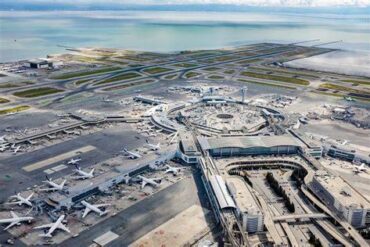
The run-up to Super Bowl LX is reshaping the US domestic aviation map, with airlines aggressively repositioning capacity toward Northern California. As the Seattle Seahawks punch their ticket to the league’s biggest stage, carriers on both coasts are responding with tactical precision, layering in nonstop routes, special frequencies, and short-notice charters aimed squarely at football’s most mobile audience.
For airlines, the Super Bowl is not just a sporting event. It is a short, intense demand spike that rewards speed, network flexibility, and brand visibility. This year’s clash at Levi Stadium in Santa Clara, scheduled for Sunday, February 8, has triggered a particularly sharp response thanks to the geographic spread of the fan bases involved. Seattle in the Pacific Northwest and New England on the Atlantic side suddenly share a single gravitational point: the San Francisco Bay Area.
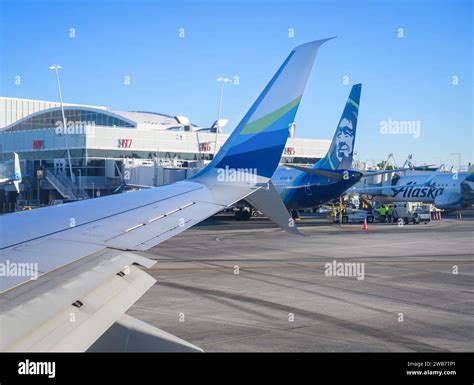
Seattle-area demand is surging first and fastest. Alaska Airlines, deeply entrenched in the Pacific Northwest, has moved decisively to protect its home-market advantage while locking in premium yields from last-minute travelers willing to pay for convenience and nonstop access.
Seattle to Silicon Valley Becomes a Super Bowl Air Bridge
Alaska Airlines is adding 16 additional round-trip flights between Seattle-Tacoma International Airport (SEA) and San Jose Mineta International Airport (SJC), turning a normally steady business route into a high-frequency sports corridor. The strategy is straightforward: keep Seahawks fans out of connecting hubs, shorten travel time, and dominate mindshare during the league’s most watched weekend.
American Airlines is also stepping into the fray with specially timed services from Seattle to San Jose on February 5, 6, and 7, departing at 1:15 pm and arriving at 3:27 pm. The return schedule on February 9 adds a playful nod to Seahawks culture, with flight numbers honoring the team’s iconic 12th Man fanbase. These flights are engineered for game-centric itineraries, maximizing time on the ground while minimizing overnight costs.
United Airlines rounds out the Seattle–San Jose surge with an added round trip departing February 7 and returning February 9, reinforcing San Jose’s role as a pressure-release valve for Bay Area airport congestion during mega-events.
JetBlue Pushes East Coast Fans Straight to the Bay Area
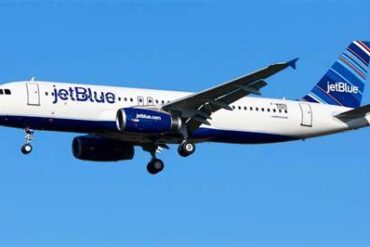
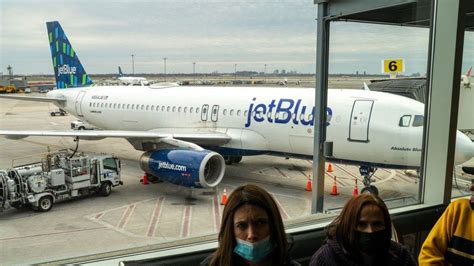
While West Coast carriers fortify short-haul routes, JetBlue is playing a different game: long-haul, nonstop loyalty from New England to California. Between February 5 and February 9, the airline will operate 28 nonstop departures from New England to San Francisco International Airport (SFO), an unusually dense schedule that underscores the airline’s confidence in demand elasticity.
Boston Logan International Airport anchors the expansion. Four extra outbound flights depart on February 5, 6, and 7, while the return operation peaks on February 9 with seven total SFO–BOS departures in a single day. A late-night return on Super Bowl Sunday itself captures travelers who want every possible minute in California before heading home.
A Rare Providence–San Francisco Nonstop Raises the Stakes
JetBlue’s most eye-catching move is a special nonstop flight from Providence (PVD) to San Francisco, a route the airline does not normally serve. Scheduled to depart February 6 and return February 9, the flight transforms Rhode Island into a temporary Super Bowl gateway.
The economics tell their own story. A non-refundable round-trip ticket priced at $1,767 signals extreme willingness to pay among die-hard fans. The block time of nearly seven hours westbound underscores just how far travelers are prepared to go, both geographically and financially, to be present for Super Bowl LX.
United Broadens New England Coverage Beyond Boston
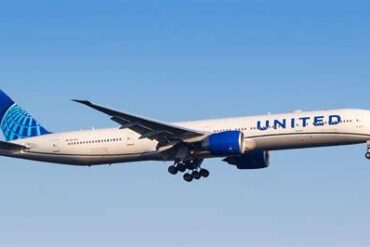
United Airlines is complementing JetBlue’s expansion with its own targeted additions from New England. Extra round-trip flights from Boston to San Francisco and Boston to San Jose between February 6 and February 9 extend United’s Star Alliance footprint while giving travelers more alliance-friendly options.
These flights sit on top of United’s existing nonstop Bay Area services, creating a layered schedule that balances regular business demand with the temporary surge of Super Bowl traffic. The result is a denser, more resilient network capable of absorbing weather disruptions or late booking spikes.
Why Super Bowl LX Is a High-Stakes Test for Airlines
Super Bowl travel is a compressed stress test for airline planning teams. Aircraft rotations tighten, crews are stretched, and airport infrastructure is pushed to its limits. For Super Bowl LX, the dual-airport strategy of SFO and SJC is crucial, spreading arrivals across the Bay Area and preventing bottlenecks that could ripple nationwide.
Alaska, American, JetBlue, and United are not alone. Multiple US carriers are quietly adding frequencies, watching booking curves, and standing ready to deploy more capacity if fares continue climbing. The February weekend is shaping up to be one of the most competitive domestic travel periods of the year, where schedule precision, nonstop access, and brand trust decide who wins the Super Bowl of aviation long before kickoff.