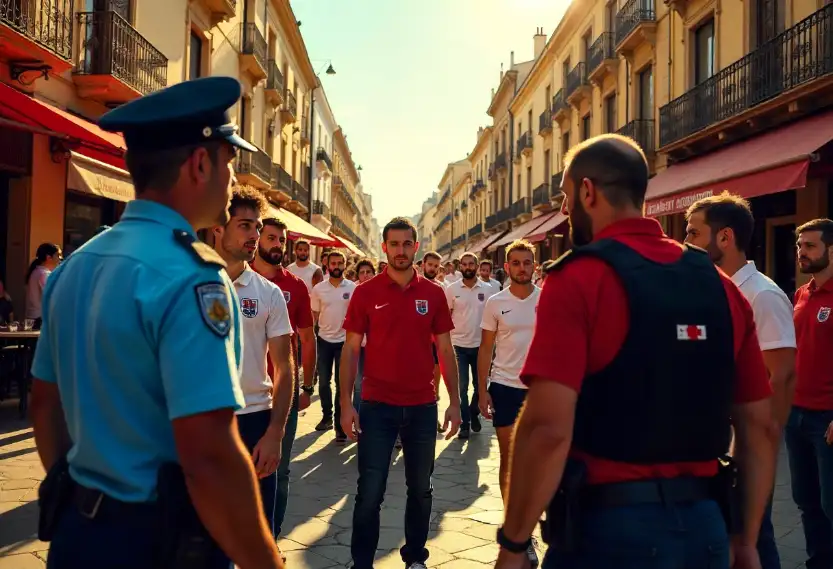
England football supporters travelling to Spain for Euro 2025 could face hefty fines of up to £500 for donning their beloved England shirts, including the popular Lionesses attire, in designated areas. This latest ban is part of a broader initiative aimed at addressing the growing frustration among locals due to mass tourism and the perceived misuse of public spaces. As Spain prepares to host thousands of passionate football fans from across Europe, the enforcement of these regulations is set to create a significant impact on the atmosphere of holiday hotspots like Majorca.
The introduction of these public clothing regulations coincides with the anticipated influx of tourists eager to support their teams in the sun-drenched locales of Spain. Majorca, already a focal point for enforcement, has seen local businesses and municipalities intensifying efforts to curtail the visibility of certain clothing items associated with rowdy tourism. A spokesperson for One Sure Insurance elaborated on the situation, stating, “We are witnessing a surge in British tourists heading to their holiday destinations to enjoy matches in the sun. This has led to an increase in bans on specific clothing items, including football shirts, to foster a more respectful environment.”

In addition to the restriction on football shirts, other casual wear such as bikinis and going shirtless while wearing swimming shorts away from the beach may also incur substantial penalties. The crackdown on attire stems from a broader response to local residents’ concerns over the adverse effects of mass tourism. In regions like Majorca, complaints have escalated regarding the negative impacts of “drunken tourism,” which often manifests through loud and unruly behavior that disrupts the tranquility of local life.
Why Are These New Regulations Being Enforced?
The enforcement of these clothing regulations is not merely a punitive measure but a strategic response to enhance the quality of life for residents and improve the overall atmosphere for tourists. Spanish authorities have recognized that while tourism is vital for the economy, it should not come at the expense of local communities. The rise in complaints about overcrowding, noise pollution, and the disrespect shown towards local customs has prompted this shift in policy.
Local residents have expressed their discontent with the status quo, calling for measures that would mitigate the negative aspects of mass tourism. The regulations aim to create an environment that promotes mutual respect between visitors and locals, encouraging tourists to engage more thoughtfully with their surroundings.
What Clothing Is Affected by These Regulations?
Under the new guidelines, holidaymakers in football shirts or fancy dress costumes now face fines of up to £500. The restrictions are directed at attire deemed representative of “drunken tourism,” which has been linked to disruptive behavior and a lack of regard for local culture. While many fans may view wearing their team’s colors as a harmless expression of loyalty, these shirts have become emblematic of the very issues local authorities seek to address.
In tourist-heavy areas, local businesses have joined in enforcing dress codes to cultivate a more refined atmosphere. Restaurants and venues are establishing their own regulations concerning appropriate attire, aiming to align with the broader goal of maintaining public decency and enhancing the visitor experience. Therefore, as fans flock to Spain to cheer on their teams, it is crucial that they remain vigilant about these local rules to avoid unexpected fines and potential embarrassment.
Impact on Drivers with Flags During the Euros
The restrictions extend beyond clothing to include the use of flags on vehicles. UK motorists have been alerted to the safety risks associated with displaying flags and emblems during the Euros. Driving with flags that obstruct the driver’s view can result in significant fines, with police empowered to issue immediate penalties of £300 for unsecured loads, escalating to £2,500 if the case is taken to court.
According to Regulation 30 of the Road Vehicles (Construction and Use) Regulations, vehicles must be designed and constructed to ensure that drivers maintain a full view of the road at all times. This regulation exists to prevent accidents caused by obstructed vision, which can occur when large flags or emblems are mounted on vehicles. While displaying a flag is not illegal, it is imperative that it is secured properly to avoid hindering the driver’s ability to see the road and surrounding traffic clearly.
What Should Tourists and Motorists Do?
For England football fans traveling to Spain, the most prudent course of action is to familiarize themselves with local attire regulations and public behavior expectations. To avoid potential fines, fans should consider leaving their football shirts at home, especially when venturing outside designated areas meant for sports events. Additionally, tourists should exercise caution when wearing casual swimwear outside of beach settings to steer clear of any unwanted penalties.
Motorists are also advised to ensure that any flags or emblems attached to their vehicles are securely fastened and do not obstruct their view of the road. Checking that flags are appropriately sized and properly secured can help prevent costly fines and unnecessary complications during their travels.
Conclusion: Be Aware and Respect Local Rules
While Spain remains one of the most sought-after holiday destinations for British tourists, it is vital for football fans and visitors alike to adhere to local rules and regulations. Whether you are supporting the Lionesses at Euro 2025 or enjoying the warm Spanish sun, understanding the guidelines surrounding clothing and vehicle safety will contribute to a smoother and more enjoyable trip. By respecting these standards, tourists can foster positive relationships with locals and continue to have a memorable experience without the burden of unexpected fines.