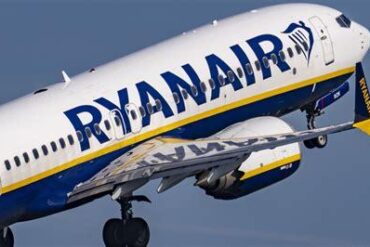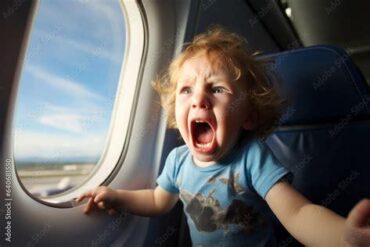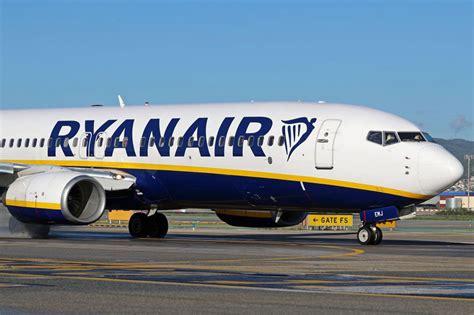
Ryanair has unveiled a new zero-tolerance policy targeting in-flight disruptions with minimum fines starting at £500, signaling the airline’s most aggressive stance yet against unruly passengers. With a sharp increase in aggressive behavior threatening not just flight safety but also operational stability, Ryanair’s firm move is positioned as both a deterrent and a call for systemic reform across the aviation sector.
The surge in disruptive behavior—often fueled by alcohol, stress, and group travel—has prompted the budget carrier to roll out swift punitive measures to protect passengers, crew, and timetables. According to the airline, fines could escalate well beyond £500 in severe cases involving violence, emergency diversions, or safety breaches.
Mounting Disruptions Force Airline Crackdown
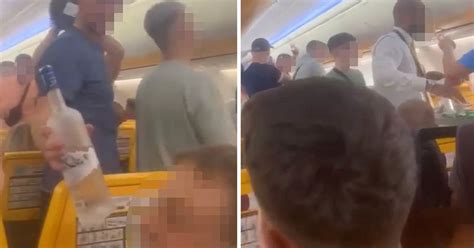
The announcement comes in the wake of several high-profile in-flight incidents, with one involving a female passenger on a UK-bound Ryanair flight who reportedly headbutted doors and windows, forcing the crew to alert authorities and reroute the flight. Upon landing, police boarded the aircraft and escorted the individual off. In another case earlier this year, a Ryanair aircraft was diverted 400 miles due to what the airline classified as “inexcusable behavior.”
In both incidents, operational disruptions translated into significant financial loss. In one instance, Ryanair pursued legal damages exceeding £2,500 to recoup diversion-related expenses. The airline’s new fine structure, therefore, reflects not just punitive action but also cost recovery, ensuring that those responsible for disruptions bear the economic impact.
Why Ryanair’s Policy Has Teeth
Flight disruptions wreak havoc on budget airline schedules where tight turnaround times are essential for profitability. A single delay can cause ripple effects across multiple routes. For Ryanair, which relies on precision timing to keep costs low, the consequences of in-flight misconduct go beyond inconvenience—they undercut the business model.
Cabin crews, while trained to handle conflict, are often placed in volatile and high-pressure situations when passengers become aggressive. Such behavior compromises not just passenger safety but forces critical attention away from essential duties, jeopardizing the entire cabin’s security. Diversions for law enforcement intervention also create ripple effects across an airline’s entire network, delaying onward flights, repositioning aircraft, and disrupting crew schedules.
Post-Pandemic Spike in Aggression
Although passenger misconduct isn’t a new problem, the frequency and intensity of such cases have surged since global travel resumed post-pandemic. Airlines across Europe and North America have recorded a notable rise in mid-flight disturbances. The blend of pent-up demand for travel, alcohol use, and social tension has created a volatile passenger environment.
The International Air Transport Association (IATA) has joined the call for stricter sanctions, encouraging governments to pass more robust penalties and allow lifetime bans for severe offenders. Several European carriers, including easyJet and Jet2, have echoed Ryanair’s sentiments, implementing their own layers of pre-boarding screening and alcohol limitations.
Popular Routes Under the Spotlight
Flights to holiday destinations—particularly those popular with partygoers—are consistently the epicenter of disruptive behavior. Destinations like Ibiza, Tenerife, and Greek islands attract groups celebrating stag and hen parties, often with heavy drinking involved. In many cases, passengers are already intoxicated before boarding, setting the stage for mid-air altercations.
Airports themselves are being drawn into the equation. Ryanair has advocated for airport vendors to restrict alcohol sales, particularly during early morning hours. Some hubs have trialed measures such as drink limits, time-based alcohol bans, or increased monitoring of group behavior at gates.
Legal and Financial Ramifications for Offenders
Ryanair’s starting fine of £500 acts as a base level, but the airline has clarified that this figure can rise dramatically depending on incident severity. Offenses involving physical altercations, threats, or necessitating emergency landing procedures could see penalties stretching into the thousands. Legal prosecution remains a viable option in tandem with airline-imposed fines.
Additionally, passengers responsible for costly diversions may be required to reimburse the full cost of the disruption, which can include fuel costs, airport handling charges, crew overtime, and delay compensations to other passengers. This hardline stance is not just about safety—it’s a financial accountability measure that aligns with broader efforts to de-risk operations.
Industry-Wide Implications
While Ryanair has positioned itself at the forefront of enforcement, its actions may set a precedent across the airline industry. Other low-cost carriers and even full-service airlines could adopt similar policies, not only to minimize disruptions but also to reassure passengers and protect staff. The message being broadcast is one of zero leniency—aviation is no longer treating misconduct as a minor inconvenience.
In the long term, Ryanair’s policy could drive legislative changes at the EU level, prompting harmonized aviation rules on disruptive passengers. Greater collaboration between airlines, airports, and law enforcement will likely be needed to streamline enforcement and recovery processes.
Rebuilding a Culture of Respect in the Skies
Although the majority of Ryanair’s 170 million annual passengers are well-behaved, the airline insists that a few bad actors cannot be allowed to jeopardize the safety and comfort of the many. The newly implemented fine system aims to restore order and civility within the cabin by leveraging real financial deterrents.
This policy also speaks to a broader need for educating travelers on in-flight etiquette. Ryanair has indicated plans to include more visible signage and announcements pre-flight to remind passengers of the new penalties. In some cases, boarding may be refused entirely to passengers deemed unfit to fly due to intoxication or belligerent behavior at the gate.
Public Reaction and Support from Crew
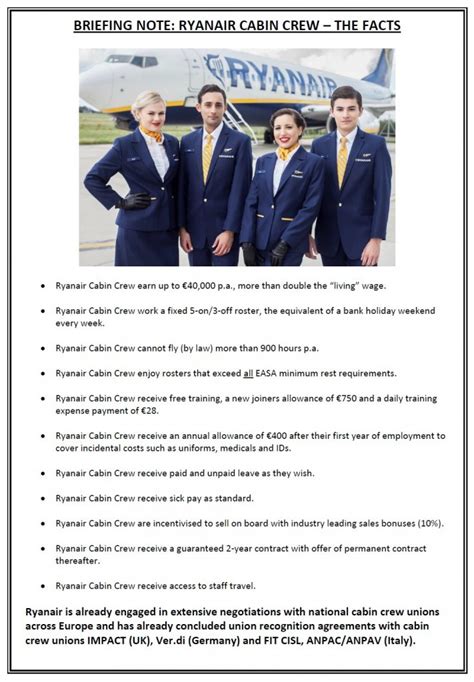
Cabin crew unions and staff advocacy groups have largely welcomed Ryanair’s move, noting that front-line workers are often left vulnerable when airlines do not back them with enforceable protections. A Ryanair spokesperson emphasized that “crew safety is not negotiable,” and reiterated the company’s commitment to providing rapid response protocols and legal backing for staff subjected to abuse.
Passenger response has also skewed positive. Many travelers have expressed relief on social media and travel forums, praising Ryanair’s leadership in what some describe as a long-overdue industry crackdown. Frequent flyers note that a clear policy will also help prevent onboard tension from escalating, as passengers know the consequences from the outset.
Toward Safer and More Predictable Travel
In the cutthroat world of budget aviation, consistency, safety, and reliability are essential to maintaining customer loyalty and operational efficiency. Ryanair’s zero-tolerance fine system is more than just a headline—it’s a systemic recalibration aimed at eliminating a persistent source of disruption.
As air travel rebounds to pre-pandemic volumes, airlines are left navigating not just logistical complexities, but also behavioral management in increasingly diverse passenger environments. Ryanair’s policy serves as a timely—and necessary—intervention that reinforces safety as the cornerstone of commercial aviation.
By confronting the issue head-on with tangible financial consequences, Ryanair hopes to deter disruptive conduct and send a clear message: onboard misbehavior is no longer a laughing matter—it’s an expensive one.