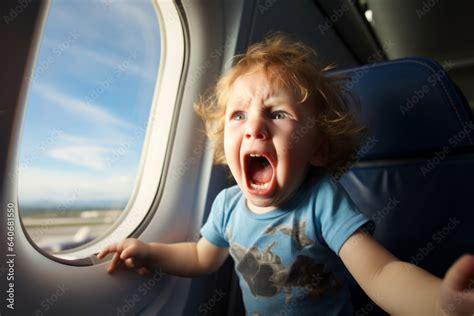
Air travel compresses strangers into a shared, high-stress environment where comfort, patience, and social boundaries are constantly tested. Among the most emotionally charged situations is the presence of screaming children. While most passengers understand that flying with kids is inherently unpredictable, there comes a point when frustration transforms into a legitimate question: when is it appropriate to complain about screaming kids on flights?
Why Screaming Kids on Planes Trigger Strong Reactions
The modern aircraft cabin is a paradox—engineered for efficiency, yet deeply uncomfortable for extended human coexistence. Add the sharp, repetitive sound of a child screaming, and the psychological toll becomes immediate. Human brains are wired to respond to distress signals, especially those resembling infant cries, which can trigger heightened stress, anxiety, and even anger in confined spaces.
Passengers aren’t just reacting to noise; they’re reacting to a perceived loss of control. Unlike a noisy café or a public park, there is no escape at 35,000 feet. This lack of autonomy amplifies irritation, making even normally tolerant individuals feel pushed to their limits.
Children on Flights: A Reality, Not an Exception
Despite the frustration, it’s crucial to acknowledge a simple truth: children have every right to be on airplanes. Flights are not luxury retreats reserved for adults seeking silence; they are public transportation systems connecting families, professionals, and travelers of all kinds.
Parents often face immense pressure when flying with young children. Cabin pressure changes can cause discomfort, unfamiliar environments disrupt routines, and long durations test even the calmest toddlers. Many parents are doing their best under challenging circumstances, often feeling embarrassed, judged, and overwhelmed.
Yet, understanding this doesn’t mean passengers must endure unlimited disruption without question.
When Noise Crosses the Line Into Disruption
There is a clear distinction between occasional crying and sustained, uncontrolled screaming paired with parental inaction. The former is an expected part of air travel. The latter, however, shifts the situation from tolerable inconvenience to a broader issue of shared responsibility.
The tipping point typically involves three critical factors:
- Duration: Brief episodes are normal; prolonged screaming lasting hours is not.
- Intensity: High-volume, piercing screams that disrupt an entire cabin create a collective impact.
- Parental Response: The defining variable. Even unsuccessful attempts to calm a child signal respect for others. Complete disengagement sends the opposite message.
When parents appear indifferent—offering minimal intervention or ignoring the behavior entirely—it transforms the issue from a child’s struggle into a breakdown of social etiquette.
The Etiquette of Complaining: Direct vs Indirect Action
Confronting another passenger directly about their child’s behavior might seem like the fastest solution, but it carries significant risk. Confined spaces and heightened emotions can quickly escalate minor conflicts into serious disputes.
The more effective and widely accepted approach is to involve the cabin crew. Flight attendants are trained to manage interpersonal tensions and can address situations with authority and neutrality. Their intervention acts as a buffer, reducing the likelihood of confrontation while maintaining order.
Passengers who choose this route are not being unreasonable; they are using the proper channel within the structured hierarchy of air travel.
Inside the Crew’s Role: Balancing Diplomacy and Authority
Flight attendants operate in one of the most delicate professional environments imaginable. They must enforce rules, ensure safety, and maintain comfort—all while navigating cultural differences and emotional volatility.
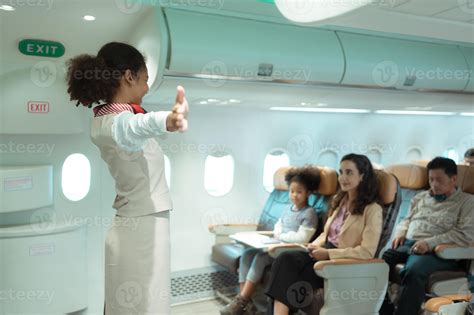
When alerted to a disruptive child, the crew typically follows a graduated response:
- Observation: Assess whether the disturbance is temporary or ongoing.
- Parental Engagement: Politely remind guardians of their responsibility.
- Direct Intervention: In rare cases, address the child directly or remain present to deter further disruption.
The most skilled crews manage to resolve these situations without embarrassment or escalation, preserving dignity for all parties involved.
The Moral Dilemma: Compassion vs Collective Comfort
At the heart of this issue lies a genuine ethical tension. On one side is compassion for families navigating a difficult travel experience. On the other is the collective right of passengers to a reasonably მშვიდ and comfortable journey.
This is not a binary choice. Both perspectives can coexist, but only when there is mutual effort. Passengers are generally willing to tolerate noise when they see genuine attempts being made. What they struggle to accept is apparent neglect or indifference.
In many ways, the reaction to screaming children is less about the child and more about the behavior of the adults responsible.
Recognizing the Breaking Point: When Complaining Becomes Justified
There is no universal timer that dictates when a complaint becomes appropriate. However, patterns emerge across countless travel experiences. Complaining becomes reasonable when:
- The disruption is prolonged and continuous.
- The noise level affects multiple rows or the entire cabin.
- Parents show minimal or no effort to intervene.
- The situation begins to impact sleep, health, or overall well-being of others.
At this stage, speaking to the crew is not an act of intolerance—it is a measured response to an unresolved problem.
A Real-World Scenario: When Intervention Changed Everything
Consider a long-haul international flight where a child screamed at maximum volume for hours while climbing over seats and disturbing nearby passengers. The parents offered only occasional, ineffective gestures to quiet the child, showing little sustained engagement.
Eventually, a passenger approached the crew. What followed was a textbook example of professional handling. The flight attendants addressed the parents directly, then maintained a visible presence near the child, reinforcing expectations of quiet behavior.
The result was not immediate perfection, but a noticeable improvement. The child’s behavior moderated, the parents became more attentive, and the cabin environment stabilized. The key takeaway is simple: timely, structured intervention works.
Setting Realistic Expectations for Air Travel
Expecting complete silence on a flight is unrealistic. Air travel is inherently unpredictable, and children—like turbulence—are part of the experience. However, there is a reasonable expectation of shared accountability.
Passengers should approach these situations with patience and perspective. Parents, in turn, should recognize that their actions—or inaction—directly influence the comfort of those around them.
This unspoken social contract is what keeps air travel functional despite its many stressors.
Final Thoughts: Navigating the Grey Area with Confidence
Complaining about screaming kids on flights is not about intolerance; it’s about boundaries, respect, and proportional response. The difference between an acceptable inconvenience and a justified complaint lies in effort, duration, and impact.
Handled correctly, raising a concern can lead to a better experience for everyone involved. The key is to act thoughtfully—choosing the right moment, the right method, and the right tone.
In the end, the goal isn’t silence. It’s balance—a shared understanding that while no journey is perfect, it should at least be mutually bearable.