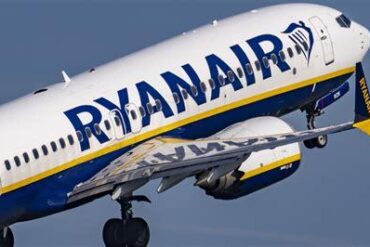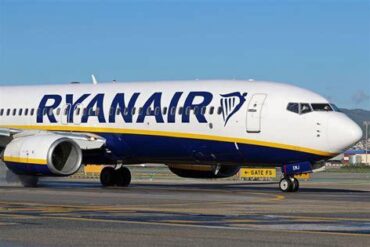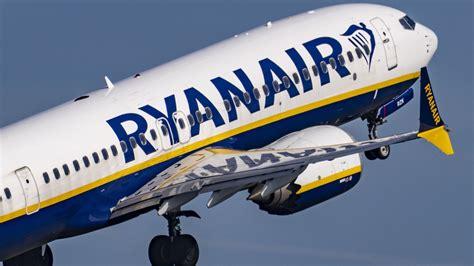
Ryanair has launched a stringent new policy designed to tackle one of the most pressing threats to commercial aviation today: disruptive passenger behavior. Effective immediately, the Irish low-cost carrier will impose a mandatory €500 fine on any passenger whose conduct results in removal from a flight. This is not merely a symbolic gesture — it represents a bold, uncompromising stance that aims to protect passengers, uphold safety standards, and ensure operational efficiency.
The move comes amid a growing global concern about unruly passenger incidents, which have skyrocketed in frequency and severity in recent years. From verbal altercations to physical aggression, disruptive behavior now routinely threatens not only flight safety but also the overall passenger experience.
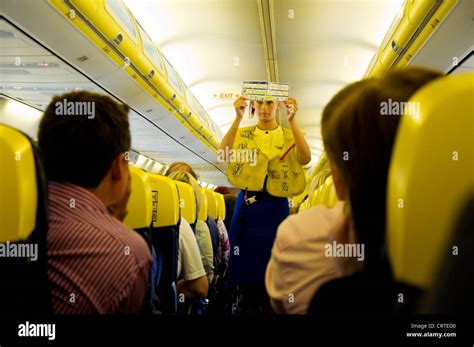
Ryanair’s Firm Commitment to Safety and Order
The €500 fine is more than a financial penalty. It’s a clear deterrent mechanism, sending an unambiguous message: disruptive conduct will not be tolerated. Ryanair, known for its fast turnarounds and tightly scheduled operations, cannot afford the ripple effects caused by in-flight disturbances. Such behavior, often exacerbated by alcohol, stress, or noncompliance, can result in emergency landings, flight diversions, or even delays across an airline’s entire network.
By implementing this flat-rate penalty, Ryanair replaces what had previously been a reactive, case-by-case approach with a standardized enforcement model. Now, passengers know exactly what to expect if they cross the line — a move that introduces accountability and consistency.
Beyond the Fine: Legal Ramifications and Civil Liability
While €500 might seem like a hefty deterrent, Ryanair has made it clear this is just the initial consequence. The airline also reserves the right to pursue civil damages if the disruption leads to additional operational costs. For example, a mid-flight diversion could cost the airline tens of thousands of euros, factoring in fuel, accommodations, staffing, and missed connections.
This layered approach means offenders could be on the hook for far more than the initial fine. By setting a baseline penalty and leaving room for further claims, Ryanair ensures that reckless behavior has real, escalating consequences.
Protecting the Majority: Passenger Experience at the Core
At the heart of this policy is the majority of passengers — those who travel respectfully and responsibly. Increasingly, passengers have voiced frustration over disrupted flights, where a single troublemaker can derail an otherwise smooth journey. These incidents result not only in delays but also in anxiety, inconvenience, and safety concerns.
Ryanair’s zero-tolerance stance is a direct response to these frustrations, reinforcing the airline’s commitment to creating a calm and predictable travel environment. This policy prioritizes the comfort of compliant travelers and the well-being of flight crews, who are too often forced into conflict resolution roles that distract from their primary safety duties.
An Industry Trend Toward Accountability
Ryanair’s €500 fine is not happening in a vacuum. Around the world, airlines are beginning to adopt stricter policies to combat bad behavior in the skies. Organizations like the International Air Transport Association (IATA) have long called for stronger regulations and unified standards to address this issue.
Ryanair’s move positions it at the forefront of this industry shift, demonstrating leadership in aviation safety enforcement. As one of Europe’s largest carriers, its decision may well influence competitor airlines, prompting them to introduce similar deterrents.
Public Messaging: Awareness as a Weapon
Key to the success of this policy is public visibility. Ryanair isn’t quietly changing the rules; it’s broadcasting them. The public announcement serves to deter would-be offenders while simultaneously affirming Ryanair’s brand as one that values safety, order, and punctuality.
This proactive communication does two things. First, it sets clear expectations for passengers before they even board a flight. Second, it empowers flight crews with a clearly stated corporate policy, allowing them to enforce rules confidently and uniformly.

Enforcement Backed by Legal Authority
While Ryanair’s €500 fine is an internal policy, it dovetails with existing European aviation law. In many jurisdictions, disruptive in-flight behavior is already a criminal offense, and Ryanair’s penalty enhances the legal tools already in place. For extreme cases, the airline can still refer incidents to local authorities, ensuring serious infractions face criminal prosecution.
This combination — of immediate airline-imposed fines and the potential for state-level legal consequences — creates a comprehensive framework to tackle in-flight disruption. It also circumvents the need for lengthy legal proceedings in minor cases, allowing Ryanair to resolve situations swiftly.
Operational Stability and Financial Prudence
Disruptive behavior is more than an inconvenience — it’s a threat to efficiency. For Ryanair, where margins depend on tight schedules and rapid aircraft turnarounds, delays caused by unruly passengers can be financially devastating. A single disruptive act can lead to a chain reaction of missed connections, rescheduling, and compensation claims.
By enforcing a penalty, Ryanair both discourages the behavior and recovers some of the cost when it happens. It’s a practical, fiscally responsible step that protects bottom lines as much as safety protocols.
Educating Passengers: Prevention Starts Before Takeoff
In tandem with the fine, Ryanair plans to bolster its passenger education initiatives. These include:
- Pre-flight announcements reinforcing behavioral expectations
- Clear terms and conditions during booking and check-in
- Visual reminders at boarding gates and inside aircraft cabins
This educational push aims to proactively reduce infractions, rather than simply penalize them after the fact. By ensuring that passengers understand the rules from the outset, Ryanair minimizes excuses and fosters a culture of compliance.
Leading Europe’s Aviation Policy Evolution
As Ryanair takes a pioneering stance on in-flight discipline, other European carriers may follow suit. The problem of disruptive passengers is not exclusive to one airline, and industry-wide adoption of such penalties could result in greater consistency and safety standards across the continent.
Ryanair, with its massive network and high passenger volume, is in a unique position to set a new norm. If the €500 fine proves effective in curbing behavior and protecting operations, it could become a template for aviation reform.
The Timing: A Post-Pandemic Travel Landscape
The surge in disruptive incidents correlates with the return of mass air travel after the COVID-19 pandemic. Passengers are navigating new rules, crowded airports, and heightened stress, leading to a spike in non-compliance and aggression.
By addressing this trend head-on, Ryanair is not merely reacting — it is future-proofing its operations. The €500 fine is a strategic, anticipatory measure, reflecting the evolving realities of modern travel.
A Policy with Clear Intent and Broad Impact
Ryanair’s decision to enforce a mandatory €500 fine for disruptive passengers is more than a company directive. It’s a bold commitment to safer skies, smoother operations, and a more respectful travel culture. By integrating financial deterrence, public messaging, legal support, and educational outreach, Ryanair has crafted a multi-layered strategy to address one of aviation’s most pressing issues.
As the policy rolls out, its impact will be closely watched by industry players, regulatory bodies, and passengers alike. But one thing is already clear: Ryanair has delivered a loud and clear message to the flying public — bad behavior has a price, and that price is €500… or more.