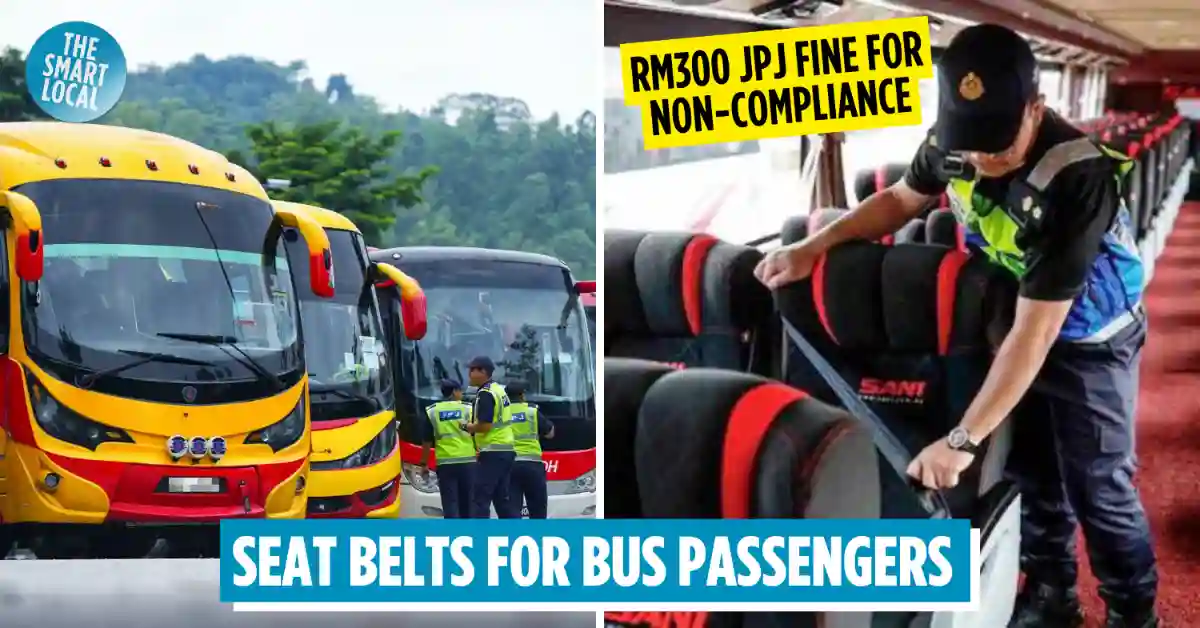
Malaysia is taking a significant step towards improving travel safety by enforcing mandatory seat belt use on all express and tour buses manufactured from 2020 onwards, effective July 1. This pivotal decision follows a tragic bus accident in Perak that claimed the lives of 15 university students, igniting urgent calls for stricter regulations concerning public transport. With this policy, the Malaysian government aims to protect passengers during long-distance travel, reduce fatalities, and establish a new benchmark for road safety across Southeast Asia.
The mandate, which requires all drivers and passengers aboard express and tour buses built after January 1, 2020, to wear seat belts without exception, marks a decisive shift in Malaysia’s approach to road safety. The implementation of this law is a response to the devastating bus crash that occurred on June 9, which not only took lives but also caused national outrage and highlighted the urgent need for reform in the country’s public transportation safety measures.
This tragic event was a catalyst for change, prompting the Malaysian Road Transport Department (RTD) to issue an official directive mandating seat belt use. The enforcement of this regulation reflects the government’s commitment to preventing future tragedies and ensuring that every journey is as safe as possible. By implementing strict penalties for non-compliance, including fines of RM300 (approximately SGD 90), the government emphasizes the importance of adhering to this new safety standard.
Under the new regulations, both passengers and drivers are liable for fines if they fail to comply with the seat belt requirement. The RTD has clarified that if a passenger refuses to wear a seat belt after being reminded, that individual will bear the penalty. However, if there is no record of the driver informing passengers about the requirement, responsibility may extend to the driver and potentially the bus operator as well. To further enforce compliance, closed-circuit television (CCTV) footage installed onboard will be utilized to monitor adherence to these regulations.
While the new rule applies strictly to buses manufactured from 2020 onward, older buses will be granted a grace period during which they must be retrofitted with seat belts on all passenger seats. The RTD is actively collaborating with bus companies to provide guidance and set clear deadlines for full compliance, recognizing the logistical and financial challenges faced by smaller operators in the industry.
In addition to enforcing seat belt use, bus operators are required to establish internal standard operating procedures (SOPs) to support the new regulations. These SOPs include mandatory announcements to inform passengers about the seat belt requirements before each journey begins. The RTD has already begun engaging with bus operators throughout the country to facilitate the implementation of these safety measures. Random inspections and reviews of onboard CCTV recordings will be conducted to ensure compliance, thereby building a culture of safety within the public transportation system.
This policy shift aligns with broader national priorities aimed at enhancing road safety and infrastructure in Malaysia. Over recent years, there has been a significant focus on increasing public awareness regarding the importance of road safety. However, the tragic bus crash underscored the necessity for more decisive actions to prevent future loss of life.
The implications of Malaysia’s decision extend beyond its borders, potentially influencing road safety regulations in neighboring Southeast Asian countries. As Malaysia prioritizes seat belt enforcement on public transport, it sets a precedent that could inspire countries like Singapore, Thailand, and Indonesia, which share cross-border transport routes, to adopt similar regulations. Furthermore, this initiative reflects a growing trend among Asia-Pacific nations to incorporate technology, such as onboard surveillance, into public policy to enhance passenger safety.
Public sentiment surrounding the new regulations has largely been supportive, with many Malaysians expressing relief that the government is finally taking concrete steps to prioritize safety. Social media platforms have been flooded with expressions of sympathy for the victims of the Perak crash and demands for swift reforms. Civil society organizations have welcomed the move, advocating for the eventual extension of the mandate to all forms of passenger transport, including minibuses and school vans. Parents, students, and commuters have emphasized the importance of consistent enforcement and transparency in implementing these regulations.
Looking forward, the success of this initiative will depend significantly on public cooperation and awareness. Authorities are expected to launch information campaigns alongside enforcement efforts to educate travelers about the critical importance of wearing seat belts. Bus operators will play a vital role in fostering a safe travel environment by training drivers and onboard staff to effectively enforce these rules. The long-term vision is to cultivate a culture of responsibility and self-compliance among travelers, transforming safety into a shared societal value rather than merely a legal obligation.
In conclusion, Malaysia’s strict enforcement of mandatory seat belt use on newer express and tour buses represents a crucial turning point in the nation’s public transport safety landscape. Driven by the need to prevent further tragedies and supported by comprehensive surveillance and enforcement mechanisms, this regulation sends a powerful message: passenger safety is non-negotiable. As regional neighbors observe and adapt, Malaysia is poised to lead Southeast Asia in making long-distance travel safer, smarter, and more secure for everyone.