
Malaysia Airlines is poised to redefine its strategy in the Indian aviation market by launching new routes and enhancing its service offerings, particularly targeting the burgeoning demand from tier-2 cities. The airline’s recent initiative includes direct flights connecting Kolkata and Kuala Lumpur, which marks a significant step in its commitment to strengthen its presence in regions that are often overlooked by international carriers. This development comes as part of a broader strategy aimed at capturing an ambitious target of over 1.3 million travelers from India within the next fiscal year, which translates to an impressive 14% year-on-year growth. With initial booking data indicating strong interest from diverse traveler demographics, including business professionals, students, tourists, and members of the Indian diaspora, Malaysia Airlines is well-positioned to tap into these underserved markets.
In this context, the focus on secondary cities such as Trivandrum, Ahmedabad, and Amritsar represents a strategic pivot. The increasing demand for international connectivity in these areas highlights the shifting dynamics of Indian travel preferences. As major airports face slot constraints, airlines are compelled to explore alternative growth avenues. Malaysia Airlines is seizing this opportunity by ramping up capacity and flight frequency to key regional centers.
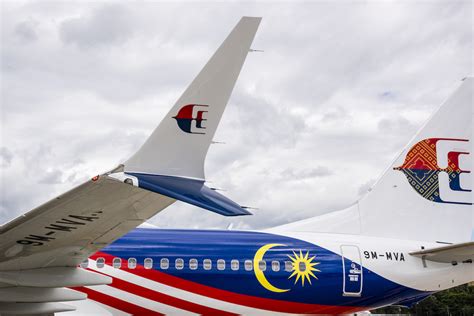
The airline’s commitment to elevating the passenger experience is evident through its substantial investments in fleet modernization. The introduction of state-of-the-art aircraft like the Airbus A330neo and Boeing 737-8 underscores its aim to cater to the premium segment in India. The Airbus A330neo will feature an all-suite Business Class configuration designed for enhanced privacy and digital in-flight options, while the Boeing 737-10 will offer lie-flat Business Class seating, making it particularly appealing for high-frequency business routes. These modern aircraft are not only designed to improve operational efficiency but also align with global sustainability standards through lower emissions and improved fuel efficiency.
As part of its long-term vision, Malaysia Airlines is also focusing on building loyalty among Indian travelers. The airline is developing strategic partnerships with financial institutions and travel sectors in India to enhance brand presence and attract a loyal customer base. While specific details regarding collaborations with banks remain under wraps, initiatives like MHexplorer for students and MHcorporate for business travelers have already been launched, offering tailored benefits such as discounted fares, additional baggage allowances, and flexible booking policies. These loyalty programs are particularly vital in India, where value-added services often influence customer decisions more than base fare pricing alone.
A key component of Malaysia Airlines’ strategy is its codeshare partnership with a leading Indian low-cost carrier. This collaboration allows the airline to offer seamless bookings that integrate international and domestic segments into a single itinerary, simplifying travel for passengers from non-metro cities. Through this arrangement, Malaysia Airlines now provides indirect access to important Indian destinations, including Goa, Patna, Varanasi, Tiruchirappalli, Bhubaneswar, and Vishakhapatnam. This strategic move enables travelers from these locations to connect easily via Kuala Lumpur to long-haul routes, eliminating the need for multiple bookings and check-ins. Such partnerships not only expand market reach but also offer logistical advantages without necessitating the direct operation of domestic services in India.
Malaysia Airlines is adopting a data-driven approach to guide its route development and frequency decisions. By closely analyzing factors such as bilateral air rights availability, airport infrastructure, and actual demand trends, the airline is strategically launching routes and increasing frequencies. This careful evaluation prioritizes cities with sustainable long-term demand rather than merely focusing on capital cities or oversaturated routes, ensuring that the airline’s resources are effectively utilized.
The airline’s renewed strategy reflects a long-term commitment to the Indian market, which is recognized as one of the world’s most promising outbound travel markets. With an increasing population eager to travel abroad for education, business, leisure, and family reunions, India presents ample opportunities for international airlines. Malaysia Airlines’ multifaceted approach, which includes network expansion, advanced aircraft, student and corporate loyalty programs, and collaborative banking partnerships, is meticulously tailored to appeal to both value-conscious and premium travelers.
Moreover, by concentrating on secondary markets and investing in fleet sustainability, Malaysia Airlines positions itself to leverage long-term demographic and economic trends in India, including rising incomes, increased mobility, and a robust digital appetite for travel experiences. If the current trajectory continues, the airline is likely to evolve into a significant bridge between India and Southeast Asia, facilitating deeper regional integration through tourism, trade, and cultural exchange. This ambitious plan not only promises to enhance Malaysia Airlines’ footprint in India but also aims to transform the travel experience for millions of Indian travelers seeking international connectivity.