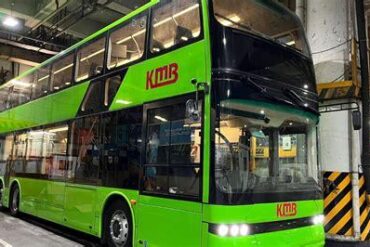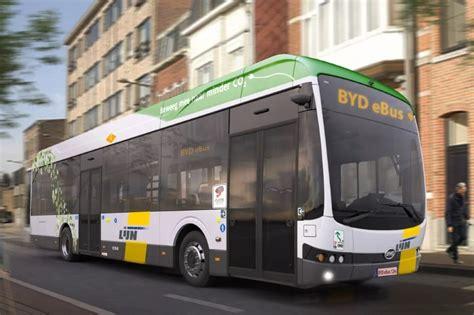
De Lijn, the Flemish public transport company, has made a significant leap towards sustainable urban mobility with the introduction of a new fleet of electric BYD buses in Antwerp. This initiative is not just about upgrading public transport; it represents a comprehensive strategy to enhance accessibility for both residents and tourists, making travel within this historic city more environmentally friendly and convenient. The deployment of these electric buses is designed to improve the overall visitor experience by connecting them to major tourist attractions while minimizing the city’s carbon footprint.
Antwerp is a vibrant city known for its rich culture, stunning architecture, and dynamic arts scene, attracting countless tourists each year. With the new electric bus service, visitors will have easier access to some of the city’s most iconic landmarks. From the Museum aan de Stroom (MAS), which offers breathtaking views of the waterfront, to the Antwerp Central Station, renowned as one of the most beautiful train stations globally, the electric buses will facilitate seamless movement throughout the city. This initiative will allow tourists to effortlessly explore key sites such as the Cathedral of Our Lady, a UNESCO World Heritage site, and the Antwerp Zoo, situated conveniently near the central station.
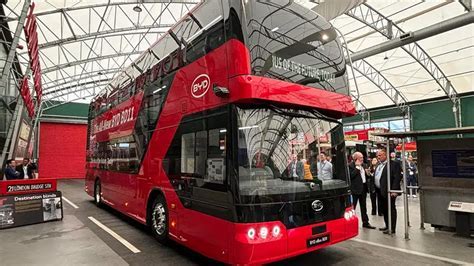
One of the primary goals of De Lijn is to foster sustainable tourism. As eco-conscious travel becomes increasingly important to modern tourists, the introduction of the BYD electric buses addresses this demand directly. These buses are equipped with features that cater to various needs, ensuring that all passengers, including those with disabilities, families with pushchairs, and elderly travelers, can enjoy hassle-free access to different parts of the city. The low-entry and full low-floor design of these buses makes boarding easy for everyone, while amenities like USB chargers, air conditioning, and ample luggage space enhance the overall travel experience.
The potential impact of these electric buses extends beyond just improving tourist mobility. By providing efficient transportation options, De Lijn aims to stimulate economic development across Antwerp. Tourists can now explore neighborhoods that are often overlooked, thereby supporting local businesses such as cafes, shops, and restaurants outside the main tourist areas. This influx of visitors can revitalize struggling establishments and contribute to a more balanced distribution of tourism revenue throughout the city. Moreover, the initiative aligns with broader sustainability goals, reducing traffic congestion and lowering emissions in the urban environment.
As part of its commitment to sustainable public transport, De Lijn plans to expand its electric fleet further in the coming years. The integration of more electric vehicles into the public transport system underscores the city’s ambition to set a benchmark for sustainable urban mobility in Europe. With ongoing investments in green transport, Antwerp is well-positioned to become a leading example for other cities looking to adopt similar initiatives.
In conclusion, the launch of the new electric BYD buses represents a milestone in Antwerp’s journey toward sustainable tourism and efficient public transport. This initiative not only enhances the visitor experience by providing better access to major tourist sites but also contributes to the city’s environmental goals. For tourists seeking a green travel option, the introduction of these state-of-the-art buses makes Antwerp an even more appealing destination. As De Lijn continues to invest in public transport infrastructure, the city is poised to maintain its status as a prominent European tourism hub, characterized by its innovative and sustainable approach to urban mobility.