The modern aircraft cabin has become one of the most emotionally demanding workplaces in commercial transportation. In 2026, airlines are no longer training cabin crew solely for evacuations, onboard fires, decompression events, or medical emergencies. A new operational reality has emerged inside passenger cabins worldwide: crew members must now manage two very different forms of human instability at the same time — aggressive confrontation and emotional panic.
This dual passenger crisis is transforming airline training programs, staffing strategies, onboard procedures, and even mental health policies across the aviation industry. One passenger may become verbally abusive after a gate delay or denied alcohol service, while another nearby passenger experiences panic during light turbulence or a routine diversion announcement. Both situations require immediate intervention, emotional control, and rapid situational judgment from the same cabin crew members, often within seconds.
For airlines, the challenge is no longer simply preventing dangerous behavior. The challenge is maintaining psychological stability inside a confined cabin environment where anxiety spreads quickly, emotional contagion escalates rapidly, and a single disruptive interaction can destabilize an entire flight.
The result is a complete evolution in how flight attendants are selected, trained, evaluated, and supported in 2026.
Cabin crew are no longer viewed purely as hospitality professionals. They are increasingly being trained as behavioral managers, emotional regulators, safety specialists, and frontline crisis responders operating inside one of the most psychologically sensitive environments in modern travel.
The shift represents one of the biggest cultural transformations in commercial aviation since the post-9/11 security overhaul.
By 2026, airlines understand a difficult truth: turbulence inside the cabin often begins long before the aircraft encounters turbulence in the sky.
The Psychological Pressure Defining Modern Cabin Operations
The emotional workload placed on cabin crew has expanded dramatically since the pandemic years reshaped passenger behavior patterns worldwide. Flight attendants now operate in an environment where emotional unpredictability has become normalized.
Passengers board flights carrying accumulated stress from crowded airports, immigration delays, rising ticket costs, economic anxiety, sleep deprivation, and fear of disruptions. Airlines have discovered that these stressors frequently manifest in two opposite but equally disruptive reactions: outward aggression or inward panic.
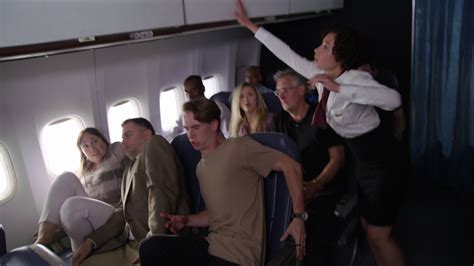
Hostile passengers typically challenge authority, ignore safety instructions, argue over seating arrangements, consume excessive alcohol, or verbally abuse staff during delays. Panicked passengers, meanwhile, may become overwhelmed by turbulence, claustrophobia, unfamiliar sounds, or routine operational changes.
The difficulty for cabin crew is that both situations require completely different emotional responses.
An aggressive passenger often requires firm boundaries, command presence, de-escalation language, and sometimes restraint preparation. An anxious passenger requires reassurance, calm vocal pacing, emotional validation, and psychological grounding techniques.
Switching instantly between those roles multiple times during a single flight has become one of the defining pressures of cabin crew work in 2026.
Airlines increasingly refer to this as “dual-state cabin management,” a concept now being integrated into recurrent training programs across major carriers. Crew members must constantly evaluate the emotional climate of the cabin while continuing routine safety duties, meal service, coordination with pilots, and compliance procedures.
This constant emotional vigilance creates substantial cognitive fatigue.
Unlike many other transportation professions, cabin crew cannot physically remove themselves from the environment. They remain trapped inside the same confined space as the passengers they are managing, often for hours at a time, thousands of feet above the ground.
That reality has intensified discussions around emotional labor within aviation.
The term describes the psychological effort required to maintain calmness, authority, empathy, and professionalism regardless of internal stress levels. For flight attendants, emotional labor is no longer considered a secondary aspect of the job. It is now central to operational safety itself.
Why Airlines Expanded Cabin Crew Training Beyond Traditional Safety Protocols
Historically, cabin crew training focused heavily on physical emergencies: evacuation drills, firefighting, decompression response, water landings, and medical scenarios. While these remain core components, airlines have significantly expanded behavioral management training after years of escalating passenger incidents.
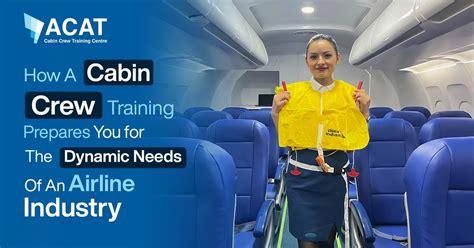
Modern flight attendants now commonly complete more than 160 hours of pre-flight operational preparation before their first commercial assignment. That training increasingly includes behavioral psychology modules, verbal conflict management, stress recognition, and emotional de-escalation systems.
Airlines realized that hostile behavior rarely erupts without warning.
Passengers often display observable indicators during boarding, including agitation, intoxication, aggressive speech patterns, visible anxiety, entitlement behavior, or emotional instability. Cabin crew are now trained to identify these behavioral signals before the aircraft door closes.
This proactive approach represents a major operational shift.
Rather than reacting after conflict escalates, airlines increasingly want crew members to intervene early through conversation, seat adjustments, observation, or coordination with gate personnel.
Some airlines now incorporate scenario-based simulations involving simultaneous passenger crises. During these exercises, trainees may be forced to calm an anxious flyer experiencing turbulence fear while also handling a disruptive intoxicated passenger nearby.
These simulations are intentionally chaotic because airlines want cabin crew to develop rapid emotional adaptability under pressure.
The aviation industry increasingly recognizes that emotional control inside the cabin directly affects overall flight safety.
Panic spreads quickly in enclosed environments. One visibly distressed passenger can unintentionally trigger anxiety in surrounding rows. Similarly, one aggressive confrontation can elevate tension across the entire aircraft.
Crew communication techniques are therefore evolving significantly.
Training now emphasizes vocal tone management, body positioning, facial expression awareness, and psychological pacing. Cabin crew are taught how to project authority without escalating confrontation and how to reassure nervous passengers without appearing dismissive or scripted.
The goal is not simply customer service.
The goal is emotional stabilization.
The Continuing Rise Of Unruly Passenger Incidents
Although disruptive passenger incidents have declined sharply from their historic 2021 peak, aviation regulators continue warning airlines that the threat remains persistent and deeply concerning.
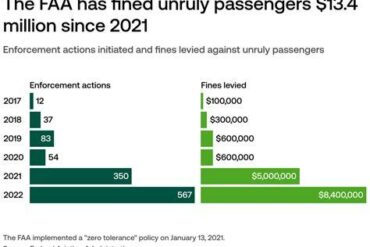
Data from the Federal Aviation Administration showed nearly 6,000 reported unruly passenger incidents during 2021, an unprecedented figure that forced regulators and airlines to reevaluate onboard security procedures. While the numbers have decreased substantially since then, incidents involving verbal abuse, intimidation, physical aggression, and refusal to comply with crew instructions remain widespread across global aviation.
International Air Transport Association statistics from 2024 revealed more than 53,500 disruptive passenger incidents worldwide, averaging approximately one incident for every 395 flights.
That statistic alarmed airline safety departments because even minor incidents create operational consequences far beyond the immediate confrontation.
Diversions caused by disruptive passengers can cost airlines hundreds of thousands of dollars through fuel dumping, landing fees, crew timing complications, passenger reaccommodation, and operational delays. More importantly, they create psychological stress for everyone onboard.
Cabin crew increasingly report that even low-level verbal hostility now creates lasting emotional exhaustion.
Unlike physical emergencies, behavioral incidents often unfold gradually. A passenger may begin with small acts of noncompliance before escalating into intimidation or threats. Crew members must therefore remain mentally alert for extended periods.
This sustained vigilance contributes heavily to burnout.
Industry surveys have repeatedly shown that flight attendants experience high rates of stress linked to hostile passenger interactions. Many crew members describe the emotional strain as more exhausting than the physical demands of long-haul flying itself.
In response, airlines are introducing stronger post-incident support systems.
Debriefing programs, mental health counseling access, peer support groups, and structured reporting systems are becoming more common across major carriers. Airlines increasingly recognize that unresolved emotional trauma among crew members can eventually affect safety performance, morale, retention, and operational consistency.
How Fearful Passengers Became A Growing Operational Challenge
While aggressive behavior dominates headlines, airlines are equally concerned about rising passenger anxiety.
The aviation industry has seen a noticeable increase in travelers experiencing fear during turbulence, diversions, weather disruptions, and operational delays. Social media amplification has intensified the problem by circulating dramatic in-flight videos that distort public perceptions of aviation risk.
Many passengers now board flights already psychologically primed for fear.
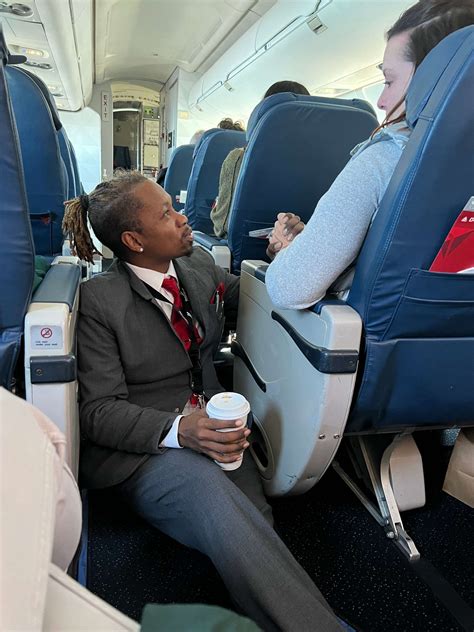
Even routine turbulence events can trigger panic responses among nervous travelers unfamiliar with normal aircraft movement. Cabin crew increasingly encounter passengers crying, hyperventilating, refusing to remain seated, or repeatedly demanding reassurance from staff.
These situations may appear less dangerous than physical aggression, but airlines view them as significant operational concerns because panic spreads rapidly inside cabins.
An anxious passenger gripping armrests and visibly panicking during turbulence can unintentionally frighten surrounding passengers, particularly children or inexperienced travelers.
Cabin crew therefore receive growing amounts of psychological response training designed specifically for anxiety management.
Some airlines now teach grounding techniques, controlled breathing communication, reassurance scripting, and trauma-informed passenger interaction methods. Flight attendants are encouraged to establish calm emotional rhythms through voice tone, posture, and eye contact.
Several carriers have also experimented with designated “calm spaces” near galley areas where distressed passengers can temporarily recover emotionally away from crowded seating rows.
This reflects a broader industry understanding that emotional regulation has become operationally essential.
The cabin environment is uniquely sensitive because passengers lack control. They cannot leave, open windows, stop turbulence, or independently manage delays. That loss of control frequently magnifies emotional reactions.
Cabin crew therefore function as emotional anchors for the entire aircraft.
Passengers constantly monitor crew behavior during disruptions. If flight attendants appear calm, composed, and confident, passenger anxiety usually decreases. If crew members appear stressed or overwhelmed, emotional instability inside the cabin can intensify rapidly.
That psychological dynamic has become central to airline training philosophy in 2026.
The FAA’s Zero-Tolerance Strategy Changed Airline Culture
The FAA’s zero-tolerance policy fundamentally reshaped how airlines respond to onboard misconduct. Regulators made it clear that violent or threatening passenger behavior would no longer be treated as isolated customer service issues.
Instead, disruptive conduct became framed as a direct aviation safety threat.
Passengers found guilty of interfering with crew duties can now face severe financial penalties, criminal charges, imprisonment, and placement on no-fly lists. Individual fines can exceed tens of thousands of dollars depending on the severity of violations.
This tougher enforcement environment strengthened cabin crew authority onboard.
Flight attendants are increasingly encouraged to document incidents comprehensively, escalate concerns earlier, and refuse service to visibly intoxicated passengers before situations deteriorate further.
Alcohol management has become especially important.
FAA regulations prohibit passengers from consuming alcohol onboard unless served directly by cabin crew, and airlines have intensified enforcement around unauthorized alcohol consumption. Crew members now receive enhanced training on identifying intoxication indicators during boarding and inflight service.
However, airlines also recognize that enforcement alone cannot solve the broader behavioral problem.
The industry increasingly views passenger behavior through a combined safety-and-mental-health framework rather than purely disciplinary terms. That perspective is influencing recruitment standards as well.
Many airlines now prioritize emotional intelligence, conflict management ability, and psychological resilience during cabin crew hiring processes.
Technical safety skills remain essential, but interpersonal adaptability has become equally valuable.
Airlines understand that modern cabin crew must manage unpredictable emotional environments while maintaining professionalism under immense pressure.
That requirement is reshaping the profession itself.
Emotional Exhaustion Is Becoming Aviation’s Hidden Safety Concern
The aviation industry has historically focused on physical fatigue among pilots and crew. In 2026, emotional fatigue is receiving far greater attention.
Cabin crew routinely deal with jet lag, dehydration, physical strain, irregular sleep patterns, heavy lifting, and prolonged standing. Layered on top of those physical demands is the continuous emotional balancing act required during passenger interactions.
Flight attendants are expected to remain approachable, composed, empathetic, authoritative, and safety-focused regardless of their internal emotional state.
Over time, this creates psychological depletion.
Many crew members describe feeling emotionally “switched on” for entire duty periods without opportunities for genuine decompression. Unlike office workers, cabin crew cannot easily step away after difficult interactions.
The emotional pressure accumulates across multiple flights, time zones, and confrontational encounters.
Airlines increasingly fear that chronic emotional exhaustion may eventually affect safety performance, communication quality, and retention rates across the industry.
As a result, some carriers are introducing resilience training, fatigue awareness programs, expanded counseling access, and peer-support networks specifically tailored for cabin crew.
The industry is slowly acknowledging that emotional well-being directly influences operational performance.
This cultural shift marks a major evolution in aviation management philosophy.
For decades, airlines largely framed cabin crew as service providers with emergency responsibilities. In 2026, airlines increasingly recognize them as highly trained behavioral safety professionals operating inside emotionally volatile environments.
That recognition is changing how the profession is perceived internally and publicly.
The Future Of Cabin Crew Training Will Focus On Human Behavior
The next phase of cabin crew evolution will likely revolve around behavioral science, emotional resilience, and psychological communication.
Traditional emergency procedures remain vital, but airlines increasingly believe future cabin safety depends just as heavily on preventing emotional escalation before it becomes operationally dangerous.
Training programs are already adapting.
Many airlines now incorporate realistic role-playing scenarios involving aggressive passengers, panic attacks, group anxiety reactions, and simultaneous inflight disruptions. Crew members practice verbal pacing, conflict interruption strategies, non-threatening body language, and coordinated communication with pilots and ground security teams.
The objective is to build emotional adaptability under stress.
Cabin crew in 2026 are expected to function as safety officers, emotional stabilizers, medical responders, and conflict mediators simultaneously. Few professions demand such rapid psychological versatility inside such confined environments.
As global passenger volumes continue increasing, airlines know these challenges are unlikely to disappear.
The modern aircraft cabin has effectively become a compressed reflection of broader societal stress — anxiety, impatience, aggression, exhaustion, and emotional volatility all interacting thousands of feet in the air.
For cabin crew, professionalism now means far more than delivering meals or greeting passengers with a smile.
It means maintaining order, protecting safety, calming fear, absorbing tension, and preserving emotional stability inside a metal tube traveling across continents at 35,000 feet.
That invisible labor is quietly becoming one of the most critical components of commercial aviation safety in 2026.