Commercial aviation has made remarkable progress in restoring passenger confidence after years of disruption, yet one persistent challenge continues to test airlines worldwide: unruly passenger behavior. While the number of disruptive onboard incidents is finally declining across much of the world, South America is emerging as a striking exception. Airline executives speaking during the International Air Transport Association (IATA) Annual General Meeting in Rio de Janeiro in June 2026 revealed an unsettling contrast. Global carriers are seeing encouraging improvements, but airlines operating across South America are confronting an alarming increase in disruptive passengers, creating fresh operational, financial, and safety concerns.
The divergence has attracted significant attention because it suggests that the industry’s battle against onboard misconduct is far from over. Instead of experiencing the same downward trend observed elsewhere, South American airlines are facing a rapidly changing environment where legal shortcomings, inconsistent enforcement, and varying national regulations may be encouraging increasingly dangerous behavior inside aircraft cabins.
Understanding why this regional trend is moving against the global direction is essential for airlines, regulators, airport authorities, and passengers alike. The issue extends well beyond isolated incidents involving difficult travelers. Every disruption has the potential to compromise flight safety, interrupt airline operations, delay thousands of passengers, and generate substantial financial losses that ripple across entire route networks.
Global Airlines Are Finally Seeing Fewer Unruly Passenger Incidents
Only a few years ago, stories involving intoxicated passengers, violent altercations, refusals to follow crew instructions, and emergency diversions regularly dominated aviation headlines. The pandemic period amplified tensions onboard aircraft, creating unprecedented challenges for cabin crews already operating under demanding conditions.
Fortunately, industry leaders now report that these incidents are becoming less common.
According to IATA Director General Willie Walsh, airlines have observed a noticeable reduction in disruptive passenger events compared with previous years. Although every incident remains unacceptable, the broader trend indicates that airlines’ increasingly firm approach toward misconduct may be producing measurable results.
Rather than treating disruptive behavior as isolated customer-service problems, many carriers now classify such events as significant operational and safety threats. This shift has fundamentally changed how airlines respond. Passengers who interfere with flights increasingly face lawsuits, financial claims, travel bans, and, in some jurisdictions, criminal prosecution.
The aviation industry’s collective message has become unmistakably clear: dangerous behavior onboard aircraft carries real consequences that extend well beyond the flight itself.
Why Airlines Have Adopted a Zero-Tolerance Strategy
Modern commercial aircraft function within an environment where precision, coordination, and discipline are essential. Every crew member performs duties that contribute directly to passenger safety, and any unnecessary distraction increases operational risk.
When passengers refuse lawful instructions, verbally abuse cabin crew, physically threaten others, consume excessive alcohol, or interfere with emergency procedures, they create conditions capable of escalating rapidly.
Even incidents that initially appear minor may require extensive intervention.
Cabin crews are trained to de-escalate conflicts whenever possible, but situations sometimes require physical restraint, assistance from volunteer passengers, coordination with cockpit crews, or immediate communication with law enforcement waiting at the destination airport.
In the most severe situations, pilots may determine that continuing the flight presents unacceptable risks, forcing an unscheduled diversion.
These diversions represent one of the aviation industry’s costliest operational disruptions.
The Hidden Cost of One Disruptive Passenger
Many travelers underestimate how expensive a single unruly passenger can become for an airline.
An emergency diversion rarely involves only landing at another airport. Instead, it triggers an extensive chain of operational complications that affect multiple departments simultaneously.
Expenses often include:
- Additional fuel consumption
- Airport landing and parking charges
- Ground handling services
- Replacement crew scheduling
- Passenger accommodation
- Meal vouchers
- Aircraft maintenance inspections
- Compensation under applicable passenger protection laws
- Network-wide scheduling disruptions
The financial impact can easily reach tens of thousands of dollars, while indirect costs may continue affecting airline operations throughout the day.
One individual’s misconduct frequently delays hundreds or even thousands of unrelated passengers scheduled to travel on connecting flights.
Safety Remains the Aviation Industry’s Highest Priority
Although viral social media videos often portray disruptive passengers as entertainment, airline executives consistently emphasize a much more serious reality.
Every incident inside an aircraft cabin has implications for flight safety.
Cabin crews are responsible for monitoring emergency equipment, responding to medical events, managing evacuations if necessary, and maintaining continuous communication with the cockpit. Any distraction reduces their ability to perform these critical responsibilities.
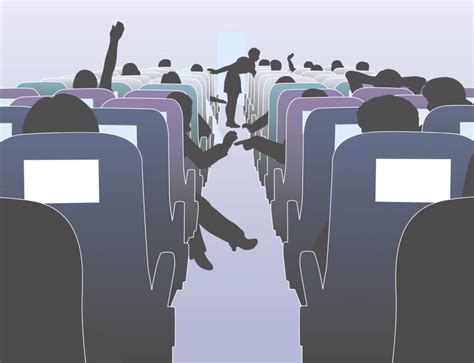
Pilots also rely on cabin crews to maintain order throughout the flight. When serious disturbances occur, valuable cockpit attention shifts toward evaluating operational risks rather than focusing exclusively on navigation, weather, traffic, and aircraft systems.
This explains why airlines maintain such strict policies regarding compliance with crew instructions. The rules are designed not for convenience but for maintaining a controlled environment where every passenger can travel safely.
Stronger Legal Action Is Changing Passenger Behavior
One of the biggest developments since the pandemic has been airlines’ willingness to aggressively pursue legal remedies against disruptive passengers.
Historically, many airlines hesitated to file lawsuits because litigation required considerable time, administrative effort, and legal expense.
That approach has changed dramatically.
Today, carriers increasingly seek compensation from passengers whose actions result in emergency diversions or major operational disruptions. Several airlines around the world have successfully recovered substantial financial damages, sending a clear warning to potential offenders.
In addition to civil claims, many carriers have expanded internal no-fly lists, preventing repeat offenders from booking future travel.
The increased publicity surrounding these cases appears to be reinforcing deterrence. Stories involving significant financial penalties, permanent travel restrictions, or criminal convictions remind travelers that misconduct carries consequences extending well beyond temporary embarrassment.
Advanced Crew Training Has Improved Early Intervention
Legal enforcement is only one component of the industry’s evolving strategy.
Airlines have simultaneously invested heavily in enhancing cabin crew training programs designed to recognize potentially disruptive behavior before situations become dangerous.
Crew members now receive increasingly sophisticated instruction covering:
- Behavioral assessment
- Conflict de-escalation
- Communication techniques
- Alcohol-related risk management
- Mental health awareness
- Passenger restraint procedures
- Coordination with flight deck crews
These improvements enable crews to intervene earlier, often preventing relatively minor disagreements from escalating into incidents requiring law enforcement involvement.
Improved reporting systems also allow airlines to analyze recurring behavioral patterns, helping refine training programs and operational procedures.
South America Is Moving in the Opposite Direction
Despite encouraging global statistics, South America’s aviation sector is experiencing an entirely different reality.
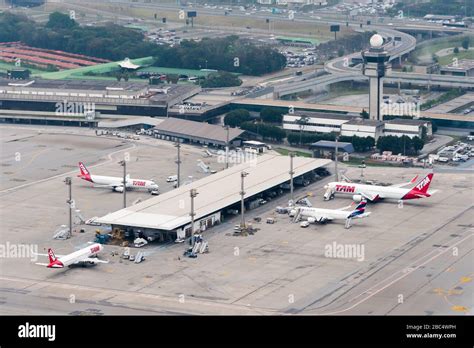
Speaking during the IATA Annual General Meeting, LATAM Airlines Group CEO Roberto Alvo warned that disruptive passenger incidents throughout South America are increasing rapidly instead of declining.
This observation is particularly significant because LATAM operates one of the continent’s largest airline networks, connecting millions of passengers through major hubs across several countries.
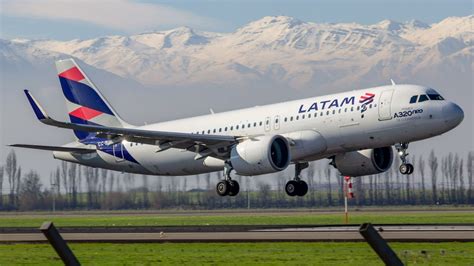
Its operations provide broad visibility into passenger behavior across domestic and international routes serving Brazil, Chile, Peru, Colombia, Ecuador, and neighboring markets.
Unlike airlines in Europe, North America, and parts of Asia reporting gradual improvement, South American carriers are confronting an increasingly complex operational challenge.
The contrasting trend suggests that solutions proving effective elsewhere may not automatically succeed within every regional aviation environment.
Why Regulation May Be Driving the Increase
One of the central explanations offered by airline executives involves the region’s uneven regulatory landscape.
Aircraft routinely cross international borders, yet enforcement of disruptive passenger laws remains the responsibility of individual national governments.
Consequently, passengers committing similar offenses may encounter dramatically different legal outcomes depending on where incidents occur.
Some countries authorize substantial fines, criminal prosecution, or imprisonment.
Others possess relatively limited enforcement mechanisms or legal frameworks that make prosecution more difficult.
According to Roberto Alvo, inadequate regulation and insufficient penalties reduce deterrence, making disruptive behavior more likely.
When passengers believe meaningful consequences are unlikely, airlines lose one of their strongest preventive tools.
This inconsistency creates uncertainty not only for airlines but also for law enforcement agencies responsible for handling offenders after aircraft land.
Regional Differences Create Operational Challenges
South America presents unique operational conditions compared with many other aviation markets.
The continent includes diverse legal systems, regulatory authorities, political environments, and enforcement practices spread across numerous sovereign nations.
Airlines operating extensive multinational networks must navigate this regulatory complexity while maintaining consistent onboard policies.
For carriers including LATAM Airlines, Sky Airline, and Aerolíneas Argentinas, maintaining uniform disciplinary standards becomes increasingly difficult when local enforcement varies significantly between destinations.
Passengers traveling across several countries may unknowingly—or intentionally—encounter vastly different legal consequences for identical misconduct.
This inconsistency weakens the industry’s broader effort to discourage disruptive behavior.
The Impact Extends Far Beyond a Single Flight
Every disruptive passenger affects considerably more people than those seated nearby.
A diversion may delay connecting flights throughout an airline’s network, forcing aircraft rotations to change and crews to exceed legal duty limitations.
Airport operations become more complicated as gates, baggage handling teams, fuel services, immigration authorities, and police coordinate responses to unexpected arrivals.
Passengers miss vacations, business meetings, family celebrations, and international connections because of decisions made by one individual.
The financial consequences eventually extend to airlines, airports, insurers, and consumers through increased operating costs.
This explains why aviation leaders increasingly describe unruly passengers as an industry-wide operational threat rather than isolated customer-service incidents.
Industry Cooperation Is Becoming More Important Than Ever
Neither airlines nor governments can solve this challenge independently.
The aviation industry’s response increasingly depends upon coordinated cooperation involving airlines, airport operators, regulators, civil aviation authorities, police agencies, and national governments.
Shared databases, standardized reporting systems, stronger legislation, and consistent prosecution all contribute to building an effective deterrence framework.
International organizations also play an important role by encouraging harmonized legal standards that reduce inconsistencies between jurisdictions.
As airlines continue expanding international networks, cross-border cooperation becomes increasingly essential for maintaining passenger safety.
Without coordinated enforcement, disruptive individuals may continue exploiting regulatory gaps between countries.
What Passengers Should Expect Going Forward
Travelers should anticipate airlines maintaining their increasingly strict approach toward onboard misconduct.
Future policies are likely to include expanded no-fly programs, broader use of civil litigation, enhanced crew authority, improved surveillance technologies, and closer coordination with airport law enforcement.
Passengers may also encounter stricter alcohol service policies on selected routes where disruptive incidents occur more frequently.
At the same time, airlines will continue investing in preventive measures rather than relying solely on punishment after incidents occur.
Improved crew training, enhanced communication procedures, behavioral risk assessment, and earlier intervention remain among the industry’s most effective tools for reducing disruptions before they threaten flight safety.
For responsible travelers, these measures contribute to a safer, more predictable travel experience with fewer delays and greater operational reliability.
Conclusion
The aviation industry’s fight against disruptive passengers has entered a new phase in 2026. Across much of the world, stronger enforcement, increased legal accountability, expanded crew training, and greater public awareness are producing encouraging results. Airlines are reporting fewer serious incidents, demonstrating that firm consequences can influence passenger behavior and improve operational safety.
South America, however, represents a notable exception. According to regional airline leaders, disruptive passenger incidents are rising sharply despite improvements elsewhere. The divergence highlights how inconsistent regulations and uneven enforcement can undermine progress, even when airlines strengthen their internal policies.
As commercial aviation continues expanding across increasingly interconnected global networks, addressing unruly passenger behavior will require far more than airline action alone. Governments, regulators, airports, law enforcement agencies, and international aviation organizations must work together to establish consistent legal frameworks that discourage misconduct regardless of where a flight operates.
Ultimately, every successful effort to reduce dangerous onboard behavior protects far more than airline schedules. It safeguards flight crews, preserves operational reliability, minimizes costly disruptions, and ensures that millions of passengers reach their destinations safely, efficiently, and without unnecessary risk.