What began as a routine commercial flight quickly spiraled into utter pandemonium aboard Frontier Airlines Flight F91203, traveling from Philadelphia to Miami on June 30, 2025. The cabin, filled with summer travelers and families bound for Florida’s sun-soaked shores, suddenly became the scene of a violent clash that ended in arrest, injury, and national headlines.
According to eyewitnesses and officials, a physical altercation broke out mid-air, transforming the aircraft into a battlefield of fists and fear. The unexpected brawl left passengers terrified and questioning the integrity of flight security in an era already marked by rising tension in the skies.
Ishaan Sharma Arrested After Shocking Assault in the Aisle
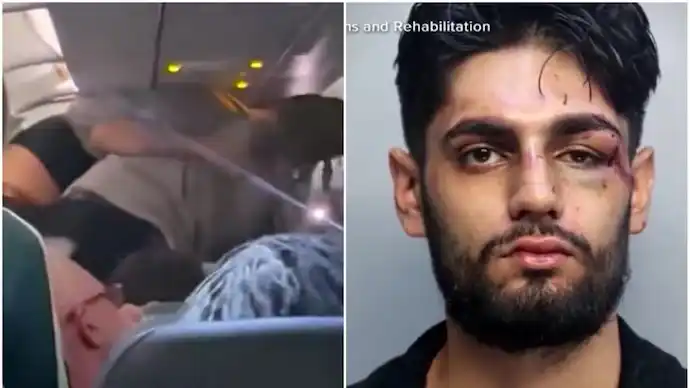
The incident escalated rapidly in the final leg of the journey, just as the aircraft began its descent into Miami International Airport. Authorities confirmed that 21-year-old Ishaan Sharma allegedly initiated a violent confrontation after returning from the restroom. As Sharma attempted to settle back into his seat, he reportedly grabbed a fellow passenger by the neck, triggering a flurry of punches.
Chaos erupted in the cabin. Screams echoed as passengers looked on in horror. Flight attendants rushed to intervene, trying to separate the men while navigating narrow aisles and rising panic. Witnesses described blood, panic, and a desperate attempt by crew members to restore order in the sky.
When Flight F91203 touched down in Miami, police officers and emergency medical personnel were waiting on the tarmac. Sharma, nursing a visible injury to his left eyebrow, was treated by paramedics before being taken into custody. The victim sustained superficial wounds but declined medical treatment.
Sharma is currently being held at Turner Guilford Knight Correctional Center with bond set at $500. His arrest has ignited widespread concern and media scrutiny over what triggered such explosive violence aboard a routine flight.
Tensions Boiled Long Before the First Punch
While initial reports categorized the confrontation as an “unprovoked attack”, deeper investigation reveals a more complex and deeply divisive narrative. Sharma’s legal defense argues that the clash was the culmination of hours of passive aggression and religious discrimination.
According to court statements, Sharma was meditating—a religious practice— during the flight, which allegedly irritated the passenger seated behind him. Multiple eyewitnesses described an air of hostility that built up over time, with verbal jabs and complaints exchanged long before the fight.
Two passengers testified that when Sharma returned from the restroom, the verbal conflict escalated to physical violence. These accounts have muddied the waters surrounding culpability and intent, challenging public opinion and complicating the prosecution’s narrative.
Rising Tide of Violence in U.S. Skies
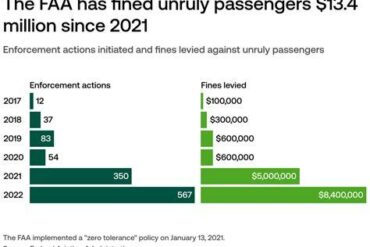
The drama aboard Frontier Airlines flight F91203 is not an isolated anomaly—it’s part of a disturbing national trend. The Federal Aviation Administration (FAA) has documented an alarming rise in unruly passenger behavior, with thousands of reports filed annually ranging from belligerence to outright assault.
Despite strengthened penalties, including lifetime bans, civil fines, and increased federal charges, flight crews continue to face threats and abuse. Airlines are implementing de-escalation training, and the TSA is exploring new screening techniques, but cases like Sharma’s show just how fast calm can turn into chaos.
The increasing frequency of such events raises grave questions about the safety of commercial air travel. Are current protocols enough? Or are deeper systemic changes necessary to ensure passenger safety and crew authority?
A Heavy Toll: Financial, Legal, and Reputational Damage
Each violent in-flight incident inflicts more than just psychological harm—it carries substantial economic consequences. Airlines like Frontier must now contend with the legal fallout, potential lawsuits, skyrocketing insurance premiums, and public relations nightmares that follow high-profile altercations.
Flight disruptions, reroutes, and emergency interventions cost carriers tens of thousands of dollars. Moreover, viral videos and social media outrage contribute to eroding customer trust and damaging long-term brand reputation.
In the case of Frontier Airlines, the incident has struck a particularly sensitive nerve, as the airline already struggles with public perception issues tied to budget operations and customer service. Failing to address this crisis could result in long-term consequences for customer retention and regulatory scrutiny.
Travelers Grapple with Fear and Uncertainty
Perhaps the most damaging impact of all is emotional. For passengers, flights have long symbolized efficiency and escape—a way to traverse distances in safety and comfort. But when turbulence comes in the form of violence from fellow passengers, that sense of security is shattered.
The psychology of modern travel is now marked by anxiety. Parents worry about children witnessing aggression. Business travelers dread disruptions. Tourists begin vacations in fear. And above all, the public wonders: Is flying still safe?
This incident, like others before it, could shape future behavior. Some travelers may avoid flying altogether. Others may shift their loyalty to carriers with stronger reputations for discipline and order. The implications are broad and extend well beyond one airline or one passenger.
Silence from Frontier Airlines Raises Eyebrows
As of July 4, Frontier Airlines has not issued a formal public statement addressing the violent fight aboard flight F91203. Their silence has drawn criticism from passengers, aviation analysts, and consumer rights advocates who argue that transparency and accountability are essential following a major onboard incident.
The airline’s muted response raises significant concerns. What protocols failed? Were the crew adequately trained to manage conflict? How will Frontier ensure this doesn’t happen again? The absence of answers has only deepened distrust.
Legal Proceedings Underway, Broader Reform Looms
Sharma now faces a battery charge, a criminal offense with potential long-term legal ramifications. Prosecutors must unravel the complex web of motivations and behaviors to establish guilt. Meanwhile, his defense will likely spotlight religious bias and prior provocation in hopes of mitigating the charges.
Regardless of the courtroom outcome, the aviation sector is watching closely. Incidents like this become case studies, prompting internal audits, policy revisions, and regulatory discussion. Lawmakers may seize the moment to propose stricter passenger conduct codes or broader behavioral detection systems.
The FAA and other bodies are under pressure to show that the air remains not just a place of transit—but one of order, safety, and accountability.
A Defining Moment in Airline Safety Reform
Frontier Airlines flight F91203 should have been a mundane two-hour hop down the East Coast. Instead, it has become a symbol of the volatility lurking in today’s high-altitude environments.
This isn’t just about one man losing his temper. It’s about whether airlines are equipped to manage rising tensions in a divided society, and how they communicate with the public when chaos erupts.
Passengers, regulators, and airlines must now confront an uncomfortable truth: safety in the sky is not just about engineering and weather. It’s about behavior, expectations, and preparation.
The outcome of this case—and how Frontier responds—could determine how many future flights take off in peace… or descend into violence.
Final Thoughts: A Call to Reclaim Civility in the Skies
The explosive events aboard Frontier Airlines flight F91203 are not merely dramatic headlines. They are a reflection of growing instability in our shared public spaces. The air, once a sanctuary of order, is now increasingly vulnerable to the same conflicts that dominate life on the ground.
If airlines hope to regain control, they must invest in preventative strategies, from enhanced passenger vetting to improved crew empowerment and swift, decisive public communication. In doing so, they won’t just be protecting their brand—they’ll be protecting every person who steps on board expecting to arrive safely.
For now, all eyes remain on Sharma’s legal proceedings and Frontier’s next move. One thing is clear: the world is watching.