On May 24, 2024, a routine transpacific flight operated by All Nippon Airways (ANA) dramatically altered course when an onboard incident involving an unruly passenger necessitated an emergency diversion to Seattle-Tacoma International Airport. ANA Flight 114, a scheduled service from Tokyo Haneda International Airport to Houston Intercontinental Airport, was forced to land prematurely after a passenger attempted to open the aircraft’s exit door mid-flight.
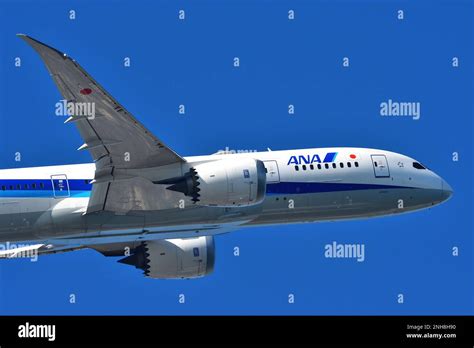
The aircraft involved was a Boeing 787-9 Dreamliner, registered as JA934A. Approximately nine hours into its 12-hour flight, the incident unfolded in the cabin, setting off a series of events that underscored the growing concern over disruptive passengers on international routes.
The Incident Unfolds at 30,000 Feet
The incident began when a male passenger, described by witnesses as visibly distressed, made an attempt to open one of the aircraft’s exit doors. Although physically impossible due to cabin pressure at cruising altitude, the action nevertheless incited panic and swift action from cabin crew and fellow passengers, who moved quickly to restrain the individual. Reports confirm that the man was subdued without injury to himself or others.
According to Port of Seattle police, the man was undergoing a medical emergency and was transported to a local hospital after landing. While early speculation suggested a potential security threat, law enforcement confirmed the episode was not terror-related, but it remains unclear whether the passenger will face criminal charges.
Secondary Disturbance Compounds Flight Diversion
As if one mid-air emergency weren’t enough, a second passenger reportedly became agitated during the unplanned stopover. The individual is said to have punched a lavatory door, raising additional concerns about onboard safety. Airline officials removed this second disruptive traveler from the aircraft before the flight resumed. In a public statement, ANA reaffirmed its dedication to security:
“The safety of our passengers and crew are our top priority, and we applaud the efforts of local law enforcement for their support.”
Timeline of Events and Operational Impact
According to data from Flightradar24, Flight 114 landed in Seattle at 04:31 local time and remained grounded for over two hours. The aircraft resumed its journey at 06:52, ultimately arriving in Houston at 12:42—a delay of nearly four hours.
Despite the serious nature of the event, no injuries were reported, and the crew’s professional handling of the incident likely prevented further escalation. This diversion, however, illustrates the significant logistical and financial toll such incidents can inflict on carriers and passengers alike.
A Rising Epidemic: Unruly Passengers in Aviation
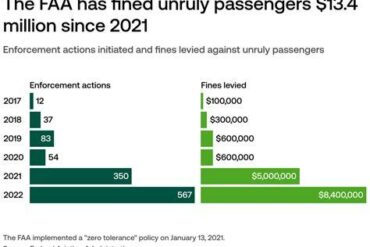
The ANA incident is only the latest in a growing trend that has plagued airlines worldwide in the post-pandemic era. According to the International Air Transport Association (IATA), 2022 saw one unruly passenger incident for every 568 flights, a sharp rise from one in 835 flights in 2021.
These incidents range from verbal abuse and non-compliance to physically dangerous actions like attempts to breach cockpit doors or open emergency exits. Although such acts rarely succeed due to aircraft engineering safeguards, their very occurrence places immense strain on airline resources and jeopardizes the emotional well-being of both crew and passengers.
Recent Cases Mirror ANA Flight 114
Other recent high-profile cases echo the ANA diversion:
- In April, a Jetstar flight from Bali to Melbourne returned to Indonesia after a passenger tried to open the exit door.
- In November 2023, an American Airlines flight witnessed a similar attempt mid-air, resulting in the perpetrator being restrained with duct tape.
- Also in 2023, a man aboard an Asiana Airlines flight opened a door during descent to Daegu, injuring nine passengers.
These events are symptomatic of a wider phenomenon: elevated stress, mental health crises, and sometimes substance abuse among passengers, particularly in the wake of the COVID-19 pandemic.
Legal Ramifications and Financial Fallout
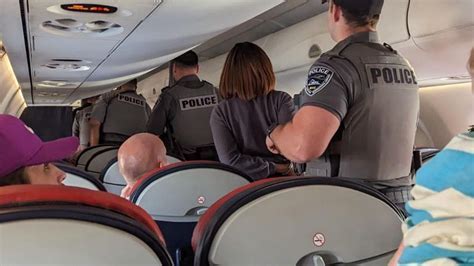
Passengers who commit such violations are not merely removed from flights; they often face serious legal consequences. Under Federal Aviation Administration (FAA) rules, offenders can incur fines up to $37,000 per violation, with multiple charges possible for a single incident.
The UK Civil Aviation Authority (CAA) similarly pursues criminal prosecution and can impose prison sentences or steep fines. Moreover, the Montreal Protocol 2014 now empowers countries to prosecute unruly passengers even if incidents occur outside their jurisdiction.
Airlines Taking Legal Action
Increasingly, airlines are choosing to pursue civil damages to recover losses stemming from diversions and disruptions:
- In 2024, Ryanair filed for over €15,000 against a passenger who caused a diversion to Porto.
- Another Ryanair case saw a lawsuit for €3,000 after a diversion from Berlin to Seville.
- In Australia, a passenger was ordered to repay A$8,630 in fuel and fined an additional A$9,000 after causing a diversion from Perth to Sydney.
These precedents signal that airlines are no longer treating in-flight disturbances as isolated, forgivable events but as costly violations requiring strict accountability.
Boeing 787-9: Safety Engineering Prevents Catastrophe
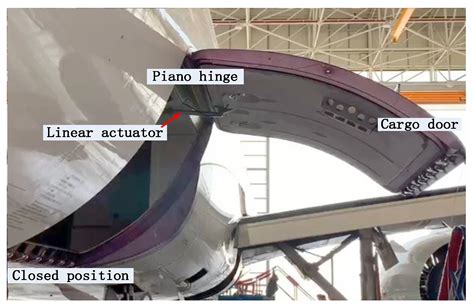
The Boeing 787-9 Dreamliner, like all commercial aircraft, is designed with fail-safe door mechanisms. At cruising altitude, the cabin is pressurized to simulate sea level conditions, which means passenger doors cannot be physically opened due to the immense pressure differential between the inside and outside of the fuselage.
Aircraft engineers estimate that it would require several thousand pounds of force to override the pressure seals and locking mechanisms—well beyond human capability. This design reality offers a margin of safety, but the psychological impact on passengers and crew during such incidents is real and cannot be ignored.
The Human Factor: Mental Health and Air Travel
While the technical threat may be minimal, the human factor remains critical. Mental health challenges among travelers are increasingly intersecting with aviation safety. In the ANA Flight 114 case, the individual’s actions were ultimately linked to a medical emergency, prompting renewed discussion about how airlines can better identify and support passengers in distress.
Current protocols involve visual assessment and behavioral observation, but there is growing advocacy for mental health awareness training for flight crews and gate staff. In some regions, airlines are also developing partnerships with behavioral health professionals to assist in pre-boarding screenings when necessary.
A Call for Stronger Global Enforcement
Organizations like IATA are urging more nations to ratify and enforce the Montreal Protocol 2014, which remains underutilized despite its potential to streamline international prosecution. A consistent global framework would allow for shared databases, cross-border collaboration, and quicker legal response to violations.
Until such frameworks are universally implemented, enforcement will remain inconsistent, and airlines will continue to bear the brunt of enforcement gaps—both in safety and operational costs.
Conclusion: Turbulence Beyond the Skies
The diversion of ANA Flight 114 shines a spotlight on the increasingly urgent issue of unruly passengers in modern air travel. While safety systems and trained crew can contain most threats, the human cost and disruption caused by such events are growing.
Airlines, regulators, and governments must work collaboratively to reinforce policies, enhance training, and ensure legal consequences are not only swift but meaningful. As global air travel rebounds and cabin environments grow denser, the risk of disruptive behavior remains omnipresent. Proactive strategies and legal deterrence are no longer optional—they are essential.
With growing passenger volumes and post-pandemic volatility, aviation authorities and carriers face an ongoing challenge: safeguarding not just the skies, but the people who travel within them.