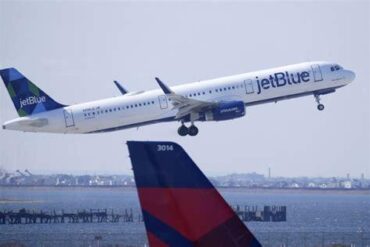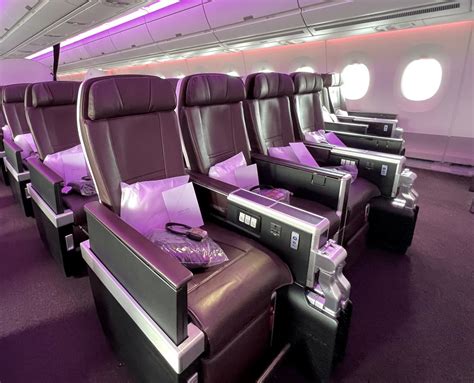
A Virgin Atlantic flight from Los Angeles to London Heathrow turned chaotic on July 14th when a group of unruly American teenagers sparked serious disruption mid-flight. The disturbance, which took place aboard Flight VS008, operated by an Airbus A350-1000, prompted immediate action from cabin crew and later led to arrests upon landing in London. The event has once again thrust the growing issue of in-flight passenger misconduct into public scrutiny, highlighting both the safety concerns and financial burden it poses to commercial airlines.
Teenagers Run Riot at 35,000 Feet
According to multiple eyewitness accounts and subsequent reports, nine teenagers onboard the transatlantic flight were responsible for the chaos. Traveling together en route to a summer camp in Europe, the group reportedly used fake IDs to purchase alcohol before boarding. Some sources allege they smuggled additional alcohol onboard, and began consuming it soon after takeoff.
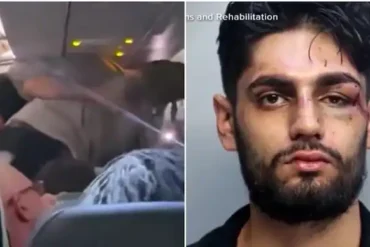
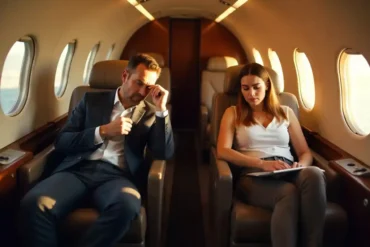
What followed was a spectacle of erratic and unsafe behavior. Passengers witnessed the teens screaming, running up and down the aisles, and openly defying crew instructions. Their conduct disrupted meal service and created an increasingly volatile environment inside the cabin. The flight crew, trained in managing in-flight disruptions, made the decision to alert Heathrow authorities in advance of landing.
Police Action at London Heathrow
As VS008 touched down at London Heathrow Airport, local authorities were waiting at the gate. Upon disembarkation, the Metropolitan Police arrested the teenagers for violating aviation law, particularly for refusing to comply with lawful commands from crew members — a serious offense under both UK and international aviation regulations. Reports suggest the teens were later deported back to the United States on separate flights to different destinations, a tactic sometimes used to prevent repeat incidents or coordinated disruptions.
Who Were the Teenagers?
While the exact identities of the teens remain confidential due to their age, sources close to the investigation claim the group hailed from affluent families, some with parents who are prominent athletes or public figures in the U.S. Virgin Atlantic stated that parents were informed of the arrests immediately, but offered no further public comment. The carrier released a short statement to The Independent, apologizing to affected passengers for the inconvenience caused.
The Rising Cost of In-Flight Misconduct
While this particular flight was able to reach its destination without physical harm or diversion, the financial and operational toll of such disruptions remains significant. Airlines must consider several factors when dealing with in-flight disorder:
- Legal liability: Crew and airline face risks if they fail to act decisively during a security incident.
- Operational delays: Disruptions can delay turnaround times, impact aircraft scheduling, and cause a domino effect throughout the network.
- Reputation: Media coverage of unruly behavior can damage customer trust and loyalty.
The Airlines Reporting Corporation (ARC) and International Air Transport Association (IATA) have both indicated a sustained rise in passenger misconduct since 2020, a trend largely attributed to post-pandemic tensions, reduced public decorum, and increased alcohol-related incidents.
Pandemic Legacy: A Surge in Air Rage
The pandemic has left more than just financial scars on the aviation industry. According to the Federal Aviation Administration (FAA), the number of unruly passenger reports nearly quadrupled in 2021 compared to pre-pandemic levels. Though enforcement has become stricter in recent years, many passengers continue to engage in aggressive behavior — often fueled by alcohol, stress, and entitlement.
In the UK, the Civil Aviation Authority (CAA) collaborates with law enforcement and airlines to enforce strict policies. Under current laws, disobeying crew instructions or endangering flight safety can result in:
- Fines up to £5,000
- Civil penalties from the airline
- Up to two years’ imprisonment
Virgin Atlantic’s Position in a Competitive Market
As Virgin Atlantic continues its post-pandemic recovery, such disruptions come at a particularly sensitive time. The airline recently reported its first annual profit since 2016, but is still navigating a shifting demand landscape. In response to weakening transatlantic demand, Virgin has announced reductions to several U.S. routes this winter, including services to San Francisco, Orlando, and Washington Dulles.
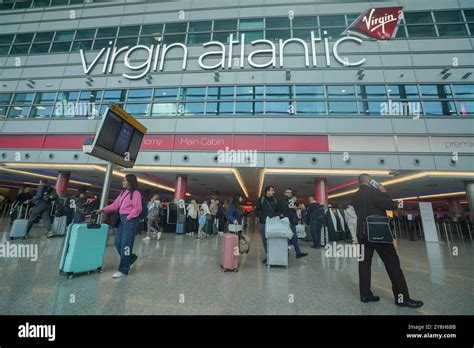
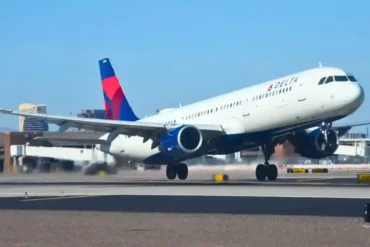
Founded in 1984, the UK-based full-service carrier has long competed with British Airways and Delta for dominance on key routes between Europe and North America. However, while competitors like Lufthansa and United have expanded capacity post-pandemic, Virgin has taken a more conservative approach, choosing instead to focus on profitability and operational resilience.
Airline Response and Industry Trends
The broader airline industry is far from passive in its response to escalating passenger misconduct. Some carriers, like Ryanair, have introduced on-the-spot fines for aggressive passengers, while others have banned onboard alcohol sales on certain routes to reduce fuel to the fire.
Crew training is also being updated across the board, with enhanced modules on de-escalation techniques, legal authority awareness, and coordinated response protocols with ground security.
Airlines and regulators are also pushing for a global “no-fly” list, which would bar repeat offenders across all IATA member airlines. However, such efforts have run into privacy and sovereignty concerns in various jurisdictions.
The Social Cost: A Culture of Entitlement?
Some aviation analysts argue that incidents like the VS008 disruption reflect a broader social shift toward entitled behavior, particularly among younger travelers. Easy access to alcohol, a lack of consequences in day-to-day life, and an overinflated sense of invincibility all contribute to the recipe for midair mayhem.
The fact that these teens came from privileged backgrounds only exacerbates the public perception of the incident. Many commentators have drawn parallels to other high-profile outbursts involving wealthy youths, reigniting debates around parental responsibility, social accountability, and privilege-fueled recklessness.
Lessons for Airlines and Parents Alike
The case of the unruly teenagers on Virgin Atlantic’s LA–London flight is more than just a disruptive anecdote — it’s a wake-up call. For airlines, it underscores the urgent need to tighten alcohol policies, improve staff preparedness, and push for broader regulatory reform. For parents, especially those sending minors abroad, it raises serious questions about supervision, behavioral expectations, and pre-departure education.
Ultimately, the skies are no longer just a neutral space for transportation. They’ve become a reflection of our societies, our challenges, and our collective failure — or success — in instilling respect for shared environments.
Conclusion: Navigating a New Era of Air Travel Conduct
This troubling episode on VS008 is not an isolated one, but rather part of a wider narrative of deteriorating in-flight conduct. As airlines attempt to rebuild profitability, they must now also manage the growing unpredictability of passenger behavior. Virgin Atlantic’s swift action in reporting and cooperating with authorities should be commended, but it will take a system-wide effort — from passengers to policymakers — to restore civility in the skies.
As for the teenagers at the center of this debacle, their actions may have lasting consequences, both legally and socially. And as the aviation industry continues to evolve, so too must its tools for enforcing order at 35,000 feet.