Flying is not just a passion—it’s a significant financial and lifestyle commitment. For many new pilots, deciding how to choose a Certified Flight Instructor (CFI), which aircraft to purchase, and whether or not to step into twin-engine ownership can shape their aviation future profoundly. These decisions require a delicate balance of budget, capability, and long-term vision.
Choosing the Right CFI: Experience vs. Attitude
When starting out in flight training, students often wonder whether to pick a younger instructor aiming for the airlines or an older, career CFI with a lifetime of GA experience. The truth lies not in age, but in compatibility.
A younger CFI may be fresh, energetic, and highly motivated. Many are airline-bound, and while some may view that as a downside, these instructors often have a deeply current understanding of FAA standards, rigorous training from Part 141 schools, and a strong desire to make every flight count. Their short-term nature may not matter—what matters is whether their teaching style clicks with the student.
Conversely, an older or career CFI brings depth, real-world experience, and often more advanced instructional skill. Some run flight schools, fly corporate, or simply teach because they love it. These instructors might be better for students seeking a more structured or technically detailed path, particularly those heading toward instrument training or aircraft ownership.

The best advice? Fly a lesson or two with each type and assess:
- Clarity of communication
- Comfort and safety in the cockpit
- Progress and confidence after each flight
CFI success is about mentorship, not logbooks. Make your choice based on learning chemistry, not calendar age.
Aircraft Selection on a Budget: Reality Check for the $80K Buyer
Let’s be candid—an $80,000 airplane budget is tight, especially when it includes only a 15% down payment and 18 months of payments. That means your real spendable amount may hover between $20K–30K upfront, limiting the pool to older aircraft with potential deferred maintenance. But that doesn’t mean you can’t find a diamond—if you’re informed.
The true cost of ownership begins after the purchase. Hangar fees, insurance, annuals, fuel, unexpected repairs—all of these quickly erode margins. With a total operational budget of $17,500 per year, your best bet is to look for:
- Fixed gear aircraft (lower insurance and maintenance costs)
- Fixed pitch props (avoid expensive overhauls)
- Solid airframe history and strong owner logs
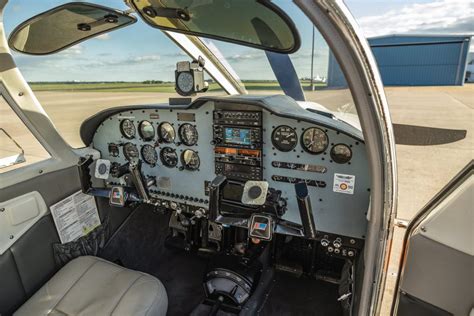
- IFR capability with at least a Garmin 430W and autopilot
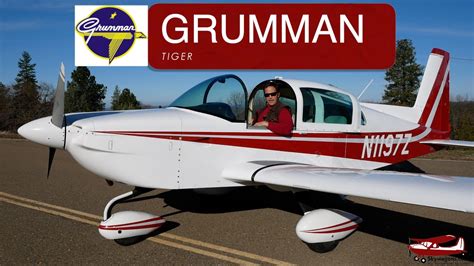
A compelling choice in this category is the Grumman Tiger (AA-5B). This four-seat, 180hp aircraft cruises around 137 knots on just 10 GPH, thanks to its efficient aerodynamics and fixed gear.
Other solid contenders include:
- Piper Cherokee 180/Archer: Reliable, affordable parts, widely supported.
- Cessna 172 or 177 Cardinal: High wing, forgiving trainers with respectable cruise speeds.
- Mooney M20 series (early models): For those comfortable with retracts and looking for speed.
However, aircraft like the Piper Cherokee 235 and Comanche 260 offer performance, payload, and longer legs—but they come at the price of retractable gear and potential engine upgrades. Consider these only if you’re ready for higher insurance premiums, increased maintenance, and complexity in ownership.
Fixed Gear vs Retractable: What’s the True Cost Difference?
There’s a misconception that retractable gear adds only a little complexity. In reality, retracts can introduce significant increases in:
- Annual inspection hours
- Landing gear AD compliance
- Potential gear-up landing risks
For budget-conscious pilots, this could mean a third of your operating budget eaten up by just maintaining the gear. Unless you’re flying regularly IFR, night, or long XC, fixed gear may offer better peace of mind.
The Twin Temptation: Is an Affordable Twin a Myth?
Twin-engine aircraft offer redundancy, performance, and a commanding presence on the ramp. But for most budget-conscious private owners, they’re an expensive fantasy. Let’s break down why.
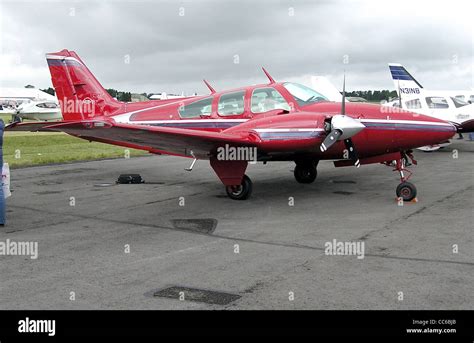
Even the most “affordable” piston twins—such as the Beechcraft Travel Air or Piper Twin Comanche—require double the engine maintenance, double the fuel burn, and often triple the insurance costs.
An owner flying a well-maintained BE55 (Baron) reported 24 GPH fuel burn at 175 knots, compared to a Bonanza doing 150 knots on 11.5 GPH. That’s nearly double the cost for just 25 extra knots—and that’s assuming everything goes right.
Additional twin ownership costs include:
- Insurance premiums: Often unavailable for low-time pilots without an instrument rating
- Annuals: Typically 10 hours longer than single-engine aircraft
- Prop overhauls: Two of everything, each costing ~$4,000–$6,000
- Hangar space: Larger aircraft mean higher storage fees
Unless you’re regularly flying IFR at night or over mountainous terrain or water, the advantages of a twin rarely justify the costs. And even then, a high-performance single like a Mooney 201 or Bonanza may give you the safety, range, and performance you need—without the twin’s burden.
Ownership Strategy: Avoiding the Money Pit
At this budget level, the most important strategy is smart due diligence. Avoid high-time engines unless they’re deeply discounted. Avoid airframes with sparse logs, questionable AD compliance, or corrosion issues. And never skip a pre-buy inspection by an experienced A&P familiar with your model.
Join local pilot groups, your EAA chapter, or online type clubs. These communities are full of war stories, practical advice, and sometimes even aircraft listings that never make it to the market.
Key tips to make your purchase count:
- Focus on airworthy, well-equipped, older aircraft with loyal owner bases
- Seek simplicity: Fixed gear, fixed pitch, and carbureted engines
- Prioritize avionics and engine time over aesthetics
- Plan for surprises: Set aside 10–15% of your budget for post-purchase upgrades or fixes
Final Thoughts: Fly More, Worry Less
Your $80K doesn’t make you a player in the turbine or even retract market—but it absolutely makes you a potential aircraft owner. With patience, research, and strategic decision-making, you can fly something safe, capable, and even a bit fun.
Your CFI choice will define how well you start. Your aircraft purchase will determine how much you fly. And your realism about twins will protect you from years of financial regret.
Keep the flying simple. Keep the numbers sharp. And above all, keep your eyes on the sky—not the shop invoice.