In the world of general aviation, where pilot preference, mission profiles, and resale dynamics intersect, one factor continues to rise in importance: air conditioning (A/C). While once considered a luxury, today climate control systems are reshaping buyer behavior, ownership satisfaction, and even aircraft valuations. For both seasoned aviators and first-time buyers, the question is no longer “Should I get A/C?”—it’s “Can I afford not to?”
Aircraft AC: More Than Just a Comfort Feature
The cockpit is a high-stakes environment—one that demands performance, focus, and safety. Comfort, particularly thermal comfort, directly affects a pilot’s ability to remain alert and maintain operational awareness during taxi, climb-out, and cruise. In hotter climates, or during extended ground delays, an aircraft without A/C can become a stifling heat trap.
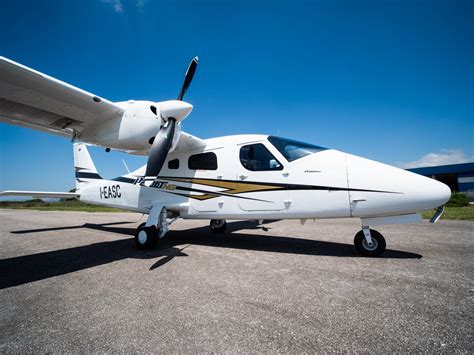
Electric air conditioning systems—such as the Kelly Aerospace Thermal Systems retrofit—offer efficient, ground-operable solutions that require no engine power diversion. Unlike belt-driven compressors, these modern systems are compact, reliable, and minimally invasive to existing powerplant performance. As one Tecnam P2010 owner noted, “The moment I sat in the airplane with the Kelly system running, I was sold. The air conditioning sealed the deal.”
Resale Value and Market Liquidity: A Hidden Asset
Aircraft resale value is influenced not only by hours and avionics but also by creature comforts that future buyers expect. In warm-weather markets—Florida, Texas, Arizona, California—air conditioning is more than a perk; it’s a market differentiator.
Buyers are often willing to pay a premium for aircraft equipped with factory or retrofit air conditioning. More importantly, those aircraft tend to spend less time on the market, and command higher buyer interest in hot climates. Marketability improves when cabin climate control is built-in, especially in aircraft such as:
- Cirrus SR22 / SR20
- Tecnam P-series
- Cessna 206 / 182 Skylane
- Beechcraft Bonanza G36
Aircraft brokers consistently report that air-conditioned listings receive faster inquiries and more decisive purchase behavior, especially when systems like the Kelly Aerospace electric unit are installed.
When AC Becomes a Deal-Breaker
While comfort is subjective, mission profiles often dictate whether A/C is a nice-to-have or a must-have. Certain conditions escalate its importance:
- Hot-weather basing: Flying from Tucson, Tampa, or Las Vegas? Expect summer ramp temperatures to push 100–120°F. In those conditions, A/C becomes a survival feature.
- IFR and long ground operations: Extended run-up procedures and ATC delays on the taxiway turn the cockpit into a sauna.
- Frequent passengers or family flying: Non-pilot companions don’t tolerate heat like seasoned aviators. Comfort expectations increase with cabin seats filled.
In each of these scenarios, air conditioning becomes a deciding factor in whether a buyer moves forward with a transaction—or walks away.

The Kelly Aerospace Advantage: Why Electric AC Wins
In evaluating systems, buyers should distinguish between older, belt-driven compressor A/C systems and modern electric alternatives. Kelly Aerospace’s all-electric unit has emerged as a favorite for several reasons:
- Ground-operable via GPU: Cool the cabin before engine start.
- No engine performance hit: No belts, no horsepower diversion.
- Lightweight: Adds just 48–60 pounds depending on aircraft type.
- STC-approved: FAA certification for multiple aircraft models.
- Straightforward maintenance: With published ICAs and low service overhead.
This isn’t just an incremental upgrade; it’s a paradigm shift in how general aviation handles cabin comfort.
Real-World Testimonial: “It Sealed the Deal”
In one notable case, a customer working with Steve Brassard of Team Aircraft was in the market for a new aircraft. Brassard had previously sold this pilot a Tecnam, and later called him with news of a P2010 model equipped with Kelly Aerospace electric air conditioning.
“I went to see it, and the A/C was running while the airplane was on the ground. It was amazing. That one feature—air conditioning—sold me. I’ve had other A/C systems in planes before, but this one is head and shoulders above anything else. It’s the iPhone of light-airplane air conditioning.”
This is not an isolated sentiment. Brokers increasingly highlight A/C in their listings, knowing that savvy buyers ask about it early in the process.
AC Tradeoffs: Useful Load and Installation Impact
To be fair, air conditioning isn’t without tradeoffs. Buyers must weigh a few operational considerations:
- Useful load: Most A/C systems reduce payload by 40–90 lbs. For weight-sensitive missions—short strips, full fuel loads—this could affect dispatch decisions.
- Installation time and cost: Retrofit systems require 40–60 hours of labor and certified technician work. The investment is significant but typically offset by resale return.
- Alternator load: Electric A/C systems draw current, so alternator capacity and electrical system health must be confirmed prior to installation.
However, for the majority of owners, the benefits of cool, controlled cabin air outweigh these modest drawbacks.
AC in New Aircraft vs. Retrofits: Who Benefits More?
Factory-installed A/C systems are increasingly standard on premium models. Cirrus, Diamond, and Tecnam offer turnkey solutions as part of their luxury trim packages. However, retrofit options—especially electric STC-certified units—open the door for existing owners to match factory-level comfort.
Retrofit buyers benefit most when:
- Planning to sell the aircraft within 3–5 years
- Operating in high-heat or high-humidity environments
- Frequently carrying passengers
- Listing aircraft in a competitive market segment
Adding A/C in these conditions not only improves quality of life but also boosts aircraft desirability and retained value.
The Psychological Impact of Cabin Comfort
There’s also a less tangible but equally powerful factor: buyer psychology. An air-conditioned cockpit sends a subtle but strong message—this aircraft is well cared for, modernized, and mission-ready. The comfort felt during a demo flight often drives purchasing momentum.
Much like leather seats in luxury cars or climate-controlled cabins in premium SUVs, AC sets a tone. Buyers associate it with prestige, professionalism, and peace of mind.
Is It Worth It? A Cost-Benefit Snapshot
- Cost range for retrofit A/C: $18,000–$25,000 including labor
- Estimated added resale value: $10,000–$18,000 (depending on model, region, and system type)
- Time-on-market reduction: Anecdotally, up to 30–50% faster sales in hot-weather states
- Passenger satisfaction increase: Significant, especially for family and non-pilot companions
This calculus leans heavily in favor of installation—not just for resale value, but also for owner enjoyment, mission flexibility, and operational professionalism.
Final Thoughts: Comfort That Closes Deals
Aircraft ownership is never just about specs and checklists. It’s about how an airplane feels—on the ramp, in the climb, during cruise. And in a world where comfort is increasingly prioritized by both owners and passengers, air conditioning has transitioned from luxury to expectation.
Whether you’re buying, selling, or simply upgrading your existing fleet, the presence—or absence—of a well-functioning A/C system can change everything.
In our experience, and in the words of one satisfied Tecnam buyer: “The air conditioning sealed the deal.”