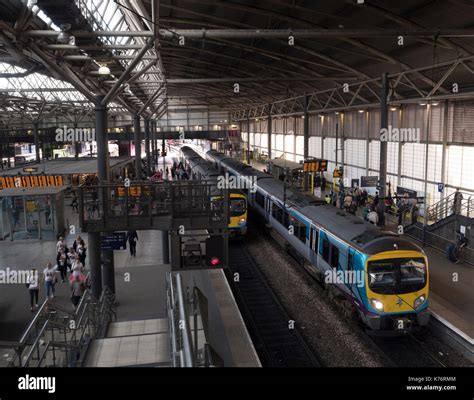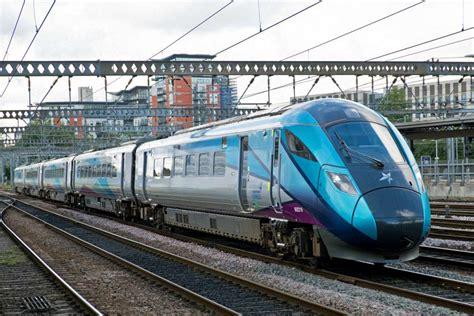
Passengers across the UK faced unprecedented travel chaos as CrossCountry, London North Eastern Railway (LNER), and TransPennine Express services were significantly disrupted due to a signalling system fault at Leeds railway station on Saturday, July 26, 2025. The chaos began around 4:00 PM local time, leading to the suspension of all train services in and out of the station. Although the fault was reportedly resolved by 5:00 PM, the repercussions lingered well into the evening, with the station only reopening at 6:00 PM. This event not only affected individual travelers but also raised serious questions about the reliability of the rail infrastructure in the UK.
The extent of the disruption was felt across multiple rail operators. CrossCountry services, which connect destinations such as Penzance, Plymouth, Bristol Temple Meads, Reading, Newcastle, Edinburgh, and Glasgow Central, faced either cancellations or significant delays. Passengers holding tickets for travel on this date were informed that their tickets would remain valid for journeys on July 27. Similarly, LNER services operating routes between London King’s Cross, Bradford Forster Square, Skipton, Leeds, and Harrogate were heavily impacted, leading to widespread delays for those traveling on these vital inter-city connections.
Northern Rail, which boasts an extensive network across the North of England, including routes to and from Leeds, experienced severe disruptions with widespread cancellations and delays. The impact extended to TransPennine Express, which runs crucial cross-country services connecting major cities like Liverpool Lime Street, Newcastle, Edinburgh, Hull, Scarborough, Manchester Victoria, York, Scarborough, Saltburn, and Redcar Central.
The implications of this travel chaos reached beyond mere inconvenience. Key regions across the UK, particularly Northern England, including cities such as Leeds, Manchester, Newcastle, and Edinburgh, were disproportionately affected. The Midlands region, encompassing cities like Birmingham and Derby, along with parts of South West England such as Bristol and Plymouth, also felt the brunt of the disruption, showcasing the far-reaching consequences of the signalling failure.
Impact on Leeds Tourism Industry
The recent train disruption in Leeds had a notable effect on the local tourism industry. Renowned for its rich cultural heritage, historic landmarks, and bustling shopping districts, Leeds heavily depends on its rail connections to attract visitors. With the suspension of all train services, tourists faced significant disruptions to their travel plans, resulting in missed events, last-minute hotel cancellations, and fewer visitors to the city’s popular attractions. This decline in foot traffic severely impacted local businesses, including hotels, restaurants, and museums, which rely on a steady stream of tourists to sustain their operations.
The event starkly highlighted the fragility of the tourism sector, which is highly vulnerable to sudden transport issues. As Leeds aims to position itself as a vibrant tourist destination, the recent disruption underscores the critical need for effective contingency planning to mitigate the effects of such disruptions and protect the local economy.
Official Statements and Apologies
In response to the major disruptions at Leeds railway station, Network Rail issued a formal apology, expressing regret for the inconvenience caused to passengers. An official statement emphasized the importance of checking travel plans and verifying the status of journeys to avoid further delays before attempting to travel. Additionally, a statement from the Northern train operator urged customers not to travel due to severe disruptions affecting all of its services. They confirmed that the severe delays and cancellations affected all routes under their network, rendering travel unfeasible for many.
Conclusion
This disruption has sparked important discussions regarding the resilience of the UK’s rail infrastructure and the critical need for ongoing maintenance and upgrades to the signalling systems to prevent similar issues in the future. Passengers planning to travel through Leeds railway station in the coming days are advised to check for any updates on service status and to allow additional time for their journeys to avoid any further delays. Although the immediate problem has been resolved, the long-term impacts on passenger confidence and the tourism industry remain uncertain. The recent chaos serves as a wake-up call for the rail network to enhance its operational protocols and improve communication with the public during crises.