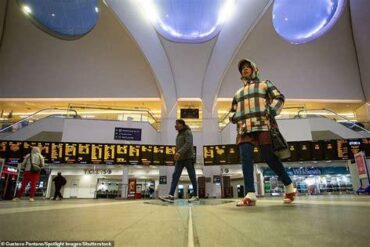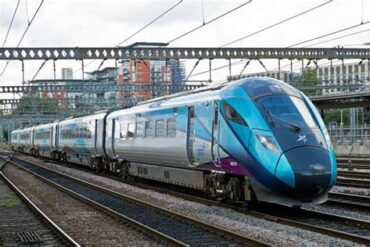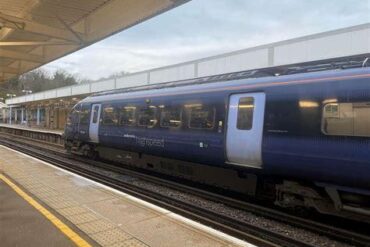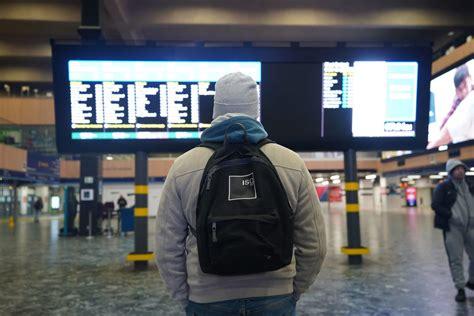
London, the United Kingdom’s vibrant and fast-moving capital, came to a grinding halt this Tuesday morning as widespread disruption impacted National Rail services during peak rush hour. From weary office-goers to confused tourists, thousands found themselves stranded or rerouted due to unexpected signal failures and technical issues affecting key commuter lines. According to updates from National Rail Enquiries, Network Rail, and Transport for London (TfL), several major routes including Southern, Thameslink, Southeastern, and Gatwick Express experienced delays, cancellations, and platform changes, resulting in a chaotic start to the day for passengers travelling into and out of central London.
Signal Failures and Infrastructure Issues Spark Widespread Chaos
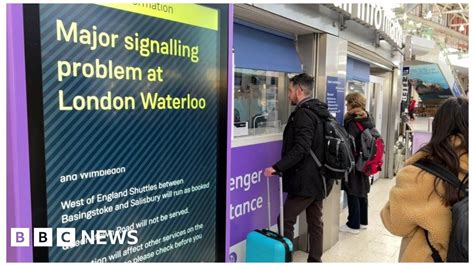
The root of the disruption was identified as a major signal failure between London Bridge and East Croydon, reported shortly after 6:30 a.m. This corridor, one of the busiest for daily commuters travelling from south London and surrounding counties into the city, saw immediate delays and suspended services. According to a Network Rail advisory, engineers were dispatched immediately to diagnose the fault, but the disruption’s ripple effect extended across multiple rail operators. “Due to a signal failure in the London Bridge area, services running to and from this station may be cancelled, delayed or revised. Disruption is expected until at least 12:00 PM,” said an alert from National Rail Enquiries.
Major Routes and Train Operators Affected
The disruption has significantly impacted the following services:
- Southern and Thameslink routes between Brighton, Gatwick Airport, and London Bridge.
- Southeastern services into London Charing Cross, Cannon Street, and London Bridge.
- Gatwick Express trains, with some services cancelled or replaced by Southern trains.
- Interchange delays on London Overground, Jubilee, and Northern lines due to crowding and increased footfall.
- Knock-on delays affecting Clapham Junction, Victoria, Blackfriars, and Farringdon.
TfL confirmed that Underground lines remained operational but warned of heavier than usual passenger volumes at interchange stations, exacerbating the overall chaos.
Government Agencies and Operators Issue Official Statements
The Department for Transport (DfT) confirmed it is monitoring the situation closely and is in touch with Network Rail and train operators to ensure commuter safety and service restoration. A Network Rail spokesperson commented: “Our technical teams are investigating the fault. We’re aware of the serious impact this is having on passengers and are prioritising swift repairs. Safety remains our top priority.” TfL also issued a warning through its official portal: “Some mainline rail services are disrupted. While Underground and bus services remain in operation, please allow extra time, avoid peak hours if possible, and check journey planners regularly.”
Commuter Reactions: Frustration, Delays and Missed Obligations
For many Londoners, the morning commute turned into a frustrating ordeal. Long queues, platform overcrowding, and last-minute service changes left little room for contingency. Zoe Martin, who travels daily from East Croydon to London Bridge, shared: “It was bedlam. Trains were cancelled back-to-back, and the information screens weren’t updating properly. I ended up spending over £50 on a taxi to get to work.” Another commuter, James Thompson from Sutton, lamented: “I missed a critical job interview because of the delays. I left early, but every train was either cancelled or late. It’s really disheartening when there’s no plan B.”
Alternative Transport and Travel Advice
With no clear end in sight early in the day, passengers were advised to seek alternative modes of transport. TfL recommended using buses, Underground routes, and even cycling or walking if distances permitted. Some travellers turned to ride-sharing apps, though surge pricing and increased traffic led to inflated fares. Others opted to work remotely for the day, where possible. National Rail Enquiries advised commuters to:
- Check the National Rail website or app for live updates.
- Use the TfL Journey Planner to identify alternative travel routes.
- Follow updates from individual operators such as Southern Rail, Thameslink, and Southeastern.
- Avoid peak congestion points like London Bridge, Victoria, and Clapham Junction if possible.
Passenger Rights: Compensation for Disruption
For those impacted by the delays, compensation may be available. Delay Repay, a passenger compensation scheme endorsed by the Office of Rail and Road (ORR) and operated by individual train companies, allows travellers to claim partial refunds if their journey was delayed by more than 15 or 30 minutes (depending on operator policy). National Rail urged affected passengers to retain tickets or travel receipts and visit the official Delay Repay page of the respective train company for claim submissions.
Call for Long-Term Infrastructure Solutions
While this incident may be resolved within the day, it has again highlighted concerns over the reliability and resilience of the capital’s ageing rail infrastructure. London’s transport network, particularly its commuter railways, is under immense strain as population and demand grow steadily. The Department for Transport, in coordination with Network Rail, has several ongoing infrastructure upgrade programmes across the Southeast of England. However, industry watchdogs have previously criticised the slow pace of improvement and lack of funding for robust technological upgrades, especially in signalling systems. In a recent Network Rail report, nearly 40% of major disruptions in 2024 were attributed to signal or power-related faults, prompting renewed debate over investment in digital rail technology and better emergency response mechanisms.
When Will Services Resume?
As of the latest update around 11:30 a.m., engineers were continuing efforts to resolve the signal issue. While limited services had resumed on some lines, a full return to normal operation was not expected before the early afternoon. Passengers planning evening commutes were advised to continue checking real-time service updates and allow for potential ongoing disruptions.
A Capital Momentarily Stalled
For a city that thrives on rhythm and routine, today’s rail disruption brought an uncomfortable pause. Yet in typical London fashion, many commuters navigated the chaos with resilience—chatting with fellow passengers, sharing updates online, or grabbing a coffee to wait it out. As engineers work behind the scenes to restore service, the incident is a reminder that the backbone of a global city—its transport—must evolve with its people. Authorities have promised not just fixes but foresight, committing to improved infrastructure and better communication in the future. Until then, London’s commuters will continue to endure, adapt, and move forward—train or no train.