London Gatwick Airport experienced a major disruption on Sunday, July 26, after a widespread water supply failure left passengers without normal access to toilets, drinking water, and many food and beverage services during one of the busiest travel periods of the year. The outage came as the United Kingdom faced high summer temperatures and increased holiday demand, creating severe challenges for thousands of travelers passing through the airport.
The disruption was caused by a failure at Bough Beech Water Treatment Works, operated by SES Water, which supplies much of the surrounding Sussex and Kent region. The problem affected not only the airport but also nearby communities, with Gatwick becoming one of the most visible locations impacted by the loss of running water. Although flight operations continued normally, conditions inside the terminal quickly deteriorated as passengers struggled with limited facilities.
London Gatwick Airport Faces Chaos As Toilets And Water Services Fail
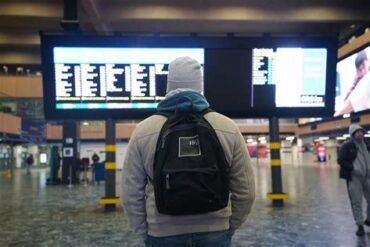
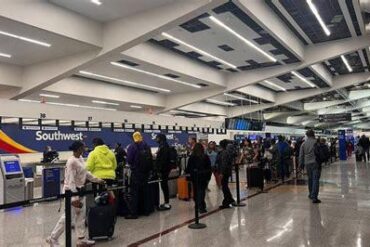
The water outage created immediate problems throughout Gatwick’s terminals, particularly after security checkpoints where passengers had fewer alternatives. Nearly all toilet facilities became unavailable because of the lack of running water, forcing travelers to wait in long queues or search for limited accessible facilities. Handwashing stations were also affected, raising concerns about hygiene during a period of intense passenger movement.
Travelers described the situation as extremely uncomfortable, with some passengers reporting that they had difficulty accessing restrooms at all. One passenger, Nick Hollings, who was traveling to Florida, told Sky News that he had to “beg” to use the toilet because facilities were restricted. Other passengers reported unpleasant conditions inside the terminal as closed restrooms began to develop strong odors.
Vanessa Brown-Ofoedu, a passenger traveling to Mallorca, Spain, said the toilets smelled significantly worse as the situation continued. She also noted that airport employees were positioned near some facilities to prevent people from entering unavailable areas. The combination of high passenger numbers, limited restroom access, and rising temperatures created a stressful environment across the airport.
Restaurants Close And Passengers Struggle With Limited Services
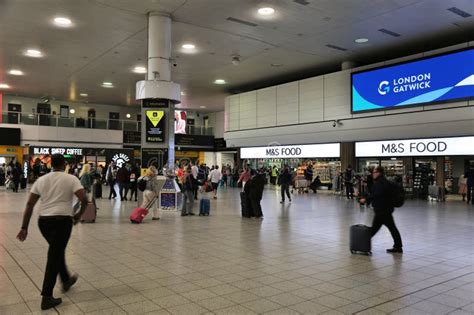
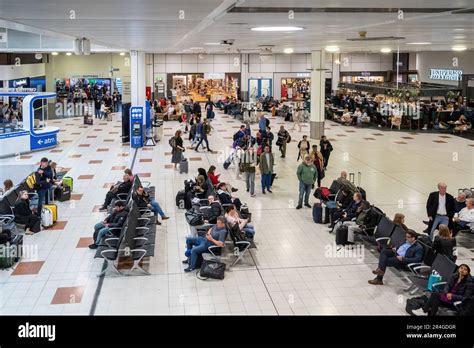
The water shortage affected far more than airport restrooms. Many restaurants, bars, and lounges were forced to suspend operations because they could not operate normally without a reliable water supply. Popular food outlets inside Gatwick reportedly closed, leaving travelers with fewer options during a period when many passengers were already facing long waits.
Although some shops remained open, food choices were restricted largely to packaged items such as sandwiches and ready-to-eat products. Airport authorities stated that bottled water was being distributed to passengers, but some travelers said they did not see supplies being handed out consistently.
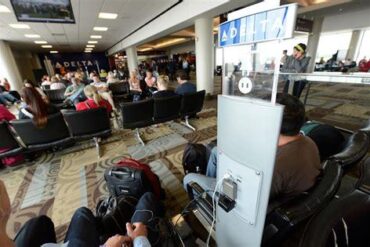
The closure of restaurants also created a separate problem: a shortage of seating. With dining areas unavailable, many passengers had limited places to rest and were reportedly forced to sit on terminal floors while waiting for their flights. Former MP and UK Music chief executive Michael Dugher criticized the situation, arguing that closed restaurants should have allowed passengers to use available seating areas during the emergency.
Passengers who had paid for lounge access also faced disappointment, as some airport lounges were closed during the outage. The disruption highlighted how dependent modern airports are on basic infrastructure systems that are often invisible until they fail.
Flight Operations Continue Despite Severe Terminal Disruption
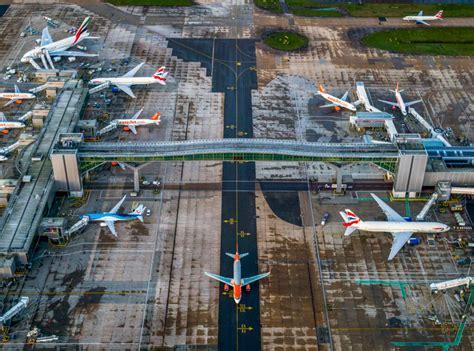
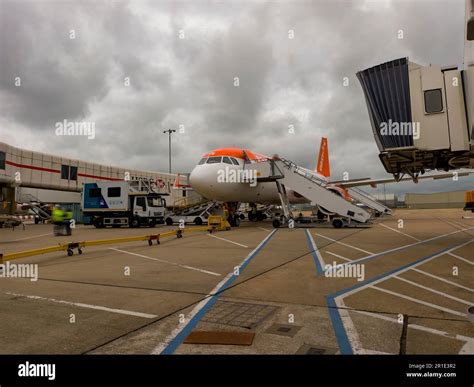
Despite the serious problems affecting passengers inside the airport, Gatwick’s airfield operations continued without major interruption. Flights were not delayed or canceled as a direct result of the water failure, allowing airlines to maintain scheduled departures and arrivals.
This was an important relief during the summer holiday peak, when thousands of passengers were already traveling across Europe and beyond. Airlines adjusted their passenger advice rather than changing flight schedules. easyJet, one of Gatwick’s largest operators, recommended that passengers arrive no more than two hours before departure, reducing previous guidance during the disruption.
The airline also adjusted baggage drop procedures, limiting early luggage acceptance to two hours before departure instead of the usual three-hour window. These measures helped prevent additional congestion in a terminal already under significant pressure.
Electrical Failure At Bough Beech Treatment Works Behind Water Crisis
SES Water identified the cause of the outage as a localized electrical failure that affected the main power supply at the Bough Beech Water Treatment Works. The company described the incident as a “highly unusual and complex issue” that disrupted the treatment process and interrupted normal water distribution.
Restoring the supply required cooperation between SES Water, Gatwick Airport, and other operational partners. Airport officials confirmed that water service had returned to most of the airport campus at around 10:00 PM on Sunday evening.
Gatwick said that most toilet facilities had reopened and expected all toilets, restaurants, and food outlets to be operating normally before the following morning’s first flights. The airport also stated that teams had worked throughout the day to minimize disruption and ensure that scheduled flights continued.
Gatwick’s Previous Infrastructure Problems Raise Reliability Questions
The latest incident was not the first time Gatwick has faced infrastructure problems during a peak travel period. In 2022, a major water main failure created a similar disruption for passengers during the busy summer season. Earlier, in 2013, the airport experienced flooding and a power outage that affected operations during another holiday rush.
However, unlike some previous incidents, the latest water failure did not affect air traffic control systems or flight scheduling. Aircraft movements continued normally, providing a significant operational advantage despite the difficult conditions inside the terminal.
The outage serves as a reminder that airports rely on complex networks of essential services beyond runways and aircraft systems. Water, electricity, and passenger facilities are critical components of modern aviation infrastructure, and failures in these areas can quickly create widespread disruption.
As summer travel demand continues to rise, airports across the world face increasing pressure to strengthen their backup systems and improve resilience against unexpected infrastructure failures. For Gatwick passengers, the weekend’s water crisis demonstrated how quickly a basic utility failure can transform a normal travel day into a challenging experience.