
Canada Day 2025 marks 158 years since the birth of the Canadian Confederation, and air traffic into the nation is surging to unprecedented levels. With celebrations scheduled across every province—from fireworks in Vancouver to ceremonies in Montreal—travelers are flooding into Canadian airspace in droves. As the week unfolds, aviation analytics from Cirium highlights exactly where these travelers are coming from, revealing a story of cross-border movement, strategic airport hubs, and a shift in travel habits.
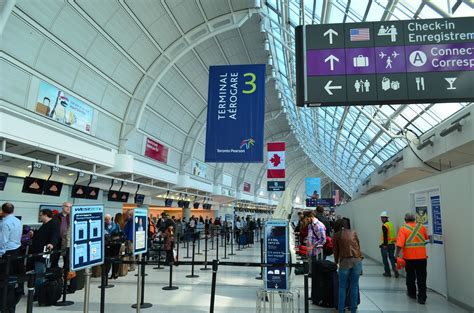
Toronto and Vancouver Dominate Canada Day Arrivals
The lion’s share of Canada Day traffic is funneling through Toronto Pearson International Airport (YYZ) and Vancouver International Airport (YVR)—two of the most important aviation hubs in the country. According to Cirium, the majority of incoming international traffic originates from major U.S. cities, driven by both geography and density.
Toronto, Canada’s most populous city and financial center, is receiving an overwhelming number of visitors from New York, Chicago, and Seattle, among others. The proximity to the American Northeast makes LaGuardia (LGA)–Toronto (YYZ) the single busiest international route of the week. Over 8,300 seats are being offered across 73 scheduled flights operated by Air Canada alone, complemented by Delta, American Airlines, and Alaska Airlines.
Meanwhile, Vancouver has become a magnet for travelers from the West Coast, particularly Seattle-Tacoma International (SEA) and San Francisco (SFO). The Seattle–Vancouver route, despite being a short hop of under 150 miles, is being served by regional jets across 49 Delta-operated flights, a figure bolstered by additional traffic from Alaska Airlines and United.
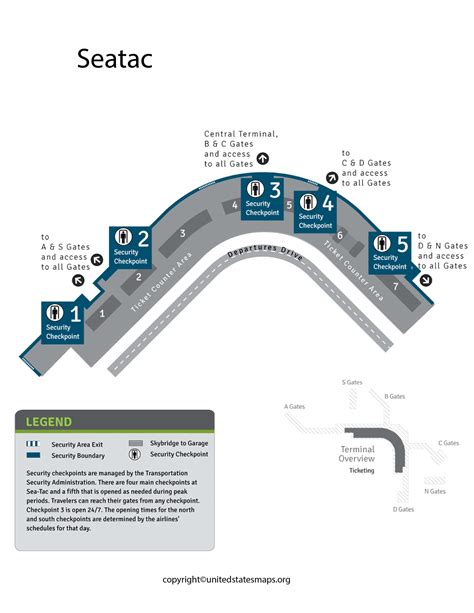
Montreal and Victoria Also Make the List
While Toronto and Vancouver dominate, Montreal (YUL) and Victoria (YYJ) also make notable appearances. United Airlines is running 47 weekly operations between Chicago O’Hare (ORD) and Montreal, reflecting the city’s cultural draw and direct transborder connectivity. Meanwhile, Alaska Airlines is operating 35 flights from Seattle to Victoria, showcasing British Columbia’s broader appeal during the holiday week.
Montreal’s role is especially symbolic this year. As the heart of French-speaking Canada and host to unique cultural events, it will feature an official swearing-in ceremony for new citizens, creating emotional resonance amid the fireworks and concerts. Victoria, nestled on Vancouver Island, offers coastal serenity and a British colonial flavor that’s uniquely Canadian.
LaGuardia Airport: The East Coast Launchpad to Canada
LaGuardia Airport—often overshadowed by JFK and Newark—has emerged as a strategic linchpin in the Canada Day travel surge. Its proximity to Manhattan and high frequency of short-haul routes positions it as a vital artery into Canada. Although LaGuardia has long battled poor customer satisfaction, extensive renovations in Terminals B and C since 2021 have modernized passenger experience significantly.
More than 31 million passengers pass through LGA annually, including over 2 million international travelers. For this Canada Day week, LGA is connecting with both Toronto Pearson (YYZ) and Billy Bishop Toronto City Airport (YTZ), offering a combined over 120 flights. This highlights not just the demand, but also the operational diversity of Canadian carriers like Porter Airlines and Air Canada, which are adapting to dynamic travel patterns.
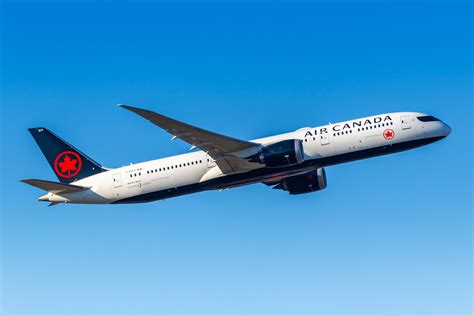
Seattle-Tacoma: The West Coast’s Canada Gateway
In the Pacific Northwest, Seattle-Tacoma International (SEA) is doing heavy lifting as the primary gateway to Western Canada. With over 3,500 seats on offer to Vancouver alone, it underscores the powerful regional bond between Washington State and British Columbia.
SEA is more than a busy civilian terminal. It sits adjacent to Boeing’s original production facilities and remains tightly interwoven with both the aerospace industry and military aviation. As Delta and Alaska Airlines operate dual hubs here, it’s no surprise to see high-frequency operations on this short-haul route, despite each flight carrying just 70–80 passengers.
Historically, Seattle and Vancouver have maintained strong cultural and economic ties, further emphasized by Canada Day events. The proximity also allows for multi-modal transportation, with Amtrak and road travelers supplementing air capacity.
The Paris Connection: Charles de Gaulle to Montreal
Outside North America, the busiest long-haul route into Canada this week originates from Paris Charles de Gaulle (CDG) to Montreal (YUL). Operated by Air France, this transatlantic connection features 28 flights with high-capacity widebody aircraft offering 350 seats per flight, totaling nearly 10,000 seats for the week.
The historical and cultural ties between France and Quebec make this route not just busy, but symbolically significant. CDG, one of Europe’s top three airports, serves over 70 million passengers annually and facilitates seamless connections from across the continent into Canada.
Montreal, home to a thriving French-speaking population and deep-rooted European influence, will roll out major festivities, with concerts, cultural performances, and urban parades lining the cobblestone streets of Old Montreal.

Cancun Surges As a Surprising Source of Visitors
A curveball in the data is the rise of Cancun International Airport (CUN) as a top origin point for travelers heading to Canada. WestJet has scheduled nearly 20 flights from this Caribbean hotspot, putting just over 3,000 seats into the Canadian market and generating more than 5 million ASMs.
While Cancun is traditionally seen as a leisure outbound market, it also functions as a reverse seasonal funnel during holiday peaks like Canada Day. With Canadians returning home from their beach holidays and Mexican travelers exploring Canadian cities for a change of climate and culture, this route is a two-way traffic generator.
Cancun Airport, now Latin America’s second busiest international airport, serves over 30 million flyers annually and links to more than 100 international destinations. Its humble origin, symbolized by a replica of its first wood tower, contrasts starkly with its current aviation sophistication.

The Aerospace Legacy: Canada’s Skyward Roots
Canada’s aviation history is interwoven into its national identity. From the ambitious Avro Arrow project of the Cold War to modern Bombardier jets flying global skies, the nation has consistently punched above its weight in aerospace innovation.
Airlines like Air Canada, established in 1937, and manufacturers like De Havilland have shaped not only domestic connectivity but also international perception of Canadian excellence in aviation. The introduction of sustainable fleet models, modern loyalty programs like Aeroplan, and the continued expansion of transatlantic and transpacific routes affirm Canada’s place as a global aviation player.
If you’re lucky enough to be in Ottawa this year, don’t miss the awe-inspiring Royal Canadian Air Force “Snowbirds” flyover, a tradition that has become the highlight of the day. These expert aviators perform in tight formation to symbolize unity, pride, and the Canadian spirit soaring into its next chapter.

Final Boarding Call: What the Traffic Tells Us
This year’s Canada Day travel surge paints a clear picture: cross-border air travel between the U.S. and Canada is not just thriving, but evolving. New York and Seattle may top the charts, but so do surprises like Paris and Cancun. Airports are adapting, airlines are responding, and passengers are rediscovering what it means to fly into Canada’s open skies.
As the celebrations unfold, from city festivals to rural gatherings, the aviation sector serves as the invisible thread connecting loved ones, tourists, and newcomers alike to the Canadian experience. Behind every flight is a story—of family, culture, history, and pride. And on July 1, 2025, all those stories land in one place: home.