The confirmation of the busiest travel day in US aviation history marks a milestone shaped by a year of unpredictable turbulence and unprecedented resilience. As the Thanksgiving travel period drew to a close, airports across the nation surged past every known benchmark, propelled by a potent mix of strong consumer demand, lower fares, and a transportation ecosystem finally finding its footing after months of disruption.
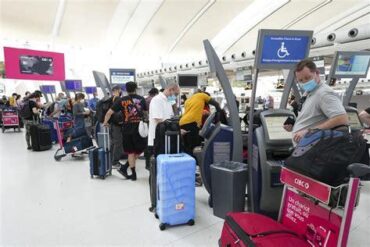
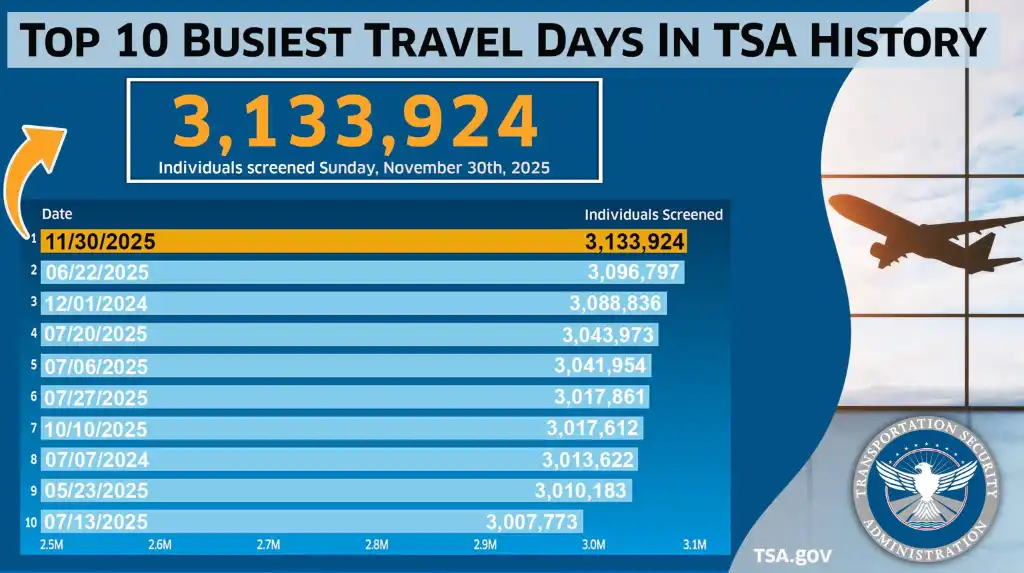
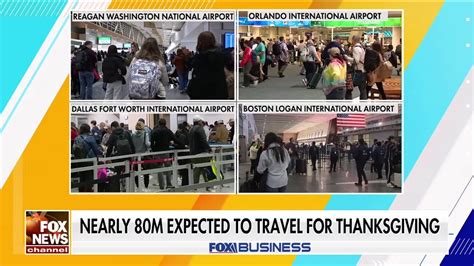
On Sunday, November 30, the Transportation Security Administration reported screening 3,133,924 passengers, a figure the aviation sector has never seen before. The previous record, set only months earlier, now sits below a historic wave of travelers who squeezed into terminals, security lines, and departure gates from dawn until long after dusk. This moment not only reflects a shifting national appetite for air travel but also highlights the sector’s growing capacity to handle extreme demand.
These figures are more than abstract milestones. They represent a meaningful shift in how Americans travel, reshaping the rhythm of holiday seasons and summer peaks alike. For airport operators, airlines, federal agencies, and travelers themselves, the record signals a transformation in expectations, preparedness, and the systems needed to keep millions moving efficiently.
Thanksgiving Weekend Pressures Meet a Perfect Storm of Challenges
The 2025 Thanksgiving weekend was already expected to be massive, but the sheer scale exceeded even the boldest forecasts. The aviation system faced a gauntlet of challenges: lingering operational instability due to the US government shutdown, widespread schedule disruptions that left more than 5 million passengers displaced, severe storms sweeping across the Midwest, and new concerns tied to an Airbus software update awaiting review.
Despite these hurdles, airport and federal security personnel moved travelers at record speed. The fact that the nation broke a historic screening record under such conditions underscores just how intensely Americans are taking back to the skies—and how quickly the travel sector has recalibrated after years of volatility.
Statistical Evidence of a Travel Surge That Won’t Slow Down
The US has now crossed the three-million-screenings threshold nine times, seven of them occurring in 2025 alone. This acceleration points to a normalization of large-scale travel volumes once considered extraordinary. More striking is the seasonal pattern: although Thanksgiving Sunday remains the iconic peak, it is the summer travel season that now dominates the record-books.
Start-of-summer weekends, mid-July Sundays, and post-holiday surges have grown into mammoth travel events. This shift suggests Americans are embracing more flexible travel styles, using shoulder seasons and extended weekends to explore, reconnect, and take advantage of lower airfares.
Lower Fares Help Fuel the Passenger Boom
Airlines initially projected softening demand for 2025, anticipating that economic pressures, tariffs, and stricter immigration policies could soften international and domestic bookings. As it turned out, the early-year pessimism led to downward pressure on pricing that unintentionally stimulated the market.
According to industry analysts, airfares fell 7.4% year-over-year, with six consecutive months of price declines stretching from March through August. Consumers responded instantly. Lower pricing combined with post-pandemic wanderlust created a demand engine that pushed airport throughput to its highest levels in recorded history.
Airport Activity Reveals an Even Larger Story Than TSA Data Alone
It’s essential to note that TSA screening numbers do not represent total foot traffic. Some of the country’s largest airports handle significantly more passengers than their screening counts indicate, especially when accounting for transfers, crew movements, and international arrivals processed through separate facilities.
Hartsfield–Jackson Atlanta International Airport, for example, can see over 300,000 passengers pass through its terminals daily, despite a screening count of roughly one-third that figure. Chicago O’Hare International Airport follows a similar pattern. Its busiest day—117,871 screenings—pales in comparison to the 266,000 daily travelers it served on average in July.
This discrepancy highlights the immense scale of US aviation hubs, where movement exceeds even historic TSA records.
A Fierce Airline Battle at Chicago O’Hare Fuels Additional Traffic
Chicago O’Hare found itself at the center of one of the year’s most intense aviation rivalries. United Airlines, long a dominant force in the Windy City, now controls roughly 47% of all seats departing the airport. American Airlines, however, is determined not to cede its historic position and has responded with new destinations and strategic upgauging on high-demand routes.
The competitive clash has resulted in expanded capacity, better connectivity, and fares pushed downward by market forces. Passenger traffic has surged 11% year-over-year, proving that competition remains one of the most powerful engines of travel growth.
A Glimpse Into the Future of US Air Travel
The milestone set on November 30 reflects more than a single day’s movement. It marks the beginning of a new era for US air travel—one shaped by strong consumer mobility, better pricing, and a system learning to absorb immense demand even amid operational challenges.
As airlines expand schedules, airports accelerate infrastructure improvements, and travelers continue embracing multi-season exploration, the industry is positioned for even more record-breaking days ahead. What was once historic is fast becoming routine, signaling a future where three million daily screenings may soon be considered the new normal.
US air travel is entering its next chapter, one defined by scale, resilience, and a public eager to take flight again.