The aviation industry is currently facing turbulent times as transatlantic demand for air travel starts to decline. This shift in demand comes at a critical moment for Global Airlines, a startup airline that plans to rely heavily on the Airbus A380 for its operations between the UK and the US. The airline’s ambitious strategy of utilizing the superjumbo aircraft in a market that is showing signs of weakness raises important questions about the viability of this business model. In this article, we explore how the ongoing downturn in US travel may impact Global Airlines’ prospects, especially in relation to its Airbus A380 fleet and overall business strategy.
Global Airlines’ Bold Bet on the Airbus A380
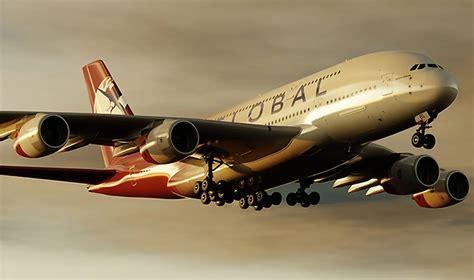
In a time when many established airlines are distancing themselves from the Airbus A380 due to its large capacity, Global Airlines has taken a calculated risk by acquiring a small fleet of these aircraft. The airline has purchased several ex-China Southern Airlines Airbus A380s, a decision that has raised eyebrows across the industry. This ambitious strategy is founded on the belief that the A380, with its impressive range and capacity, can become a lucrative asset on transatlantic routes.
As of now, Global Airlines has one Airbus A380, registered 9H-GLOBL, which was formerly operated by China Southern. The aircraft’s first flight dates back to 2013, and it is now over 12 years old. The startup airline has plans to add three more A380s to its fleet, with a second aircraft, 9H-MIP, already on the path to being transferred from Hi Fly. With the airline exclusively operating A380s, it hopes to carve out a niche in the competitive transatlantic market.
The airline’s first commercial flight is slated to take off in May 2025, connecting major UK cities such as Glasgow and Manchester to New York JFK. However, this ambitious plan comes at a time when the transatlantic travel market is facing challenges, both economically and politically.
The Declining Demand for Transatlantic Travel
A significant drop in transatlantic travel, particularly from Europe to the United States, has been evident in recent months. In March 2025, the number of visitors from Europe to the US fell by 10%, compared to the same period the previous year. This decline is part of a broader trend, as political tensions, trade wars, and economic uncertainty have led to reduced interest in traveling to the United States. Additionally, US-based airlines, such as United Airlines and Delta, have reported a decrease in international bookings, especially from Europe and Canada, further reflecting the trend.
One key factor contributing to the decline in US-bound flights is the ongoing geopolitical tension between Europe and the US. The trade war and diplomatic spats have caused many Europeans to reconsider their travel plans to the US. Furthermore, the risk of a potential recession in the US in 2025 adds to the overall uncertainty. Analysts have indicated that there is a 45% chance of a US recession, which could further dampen the demand for international travel.
The weakening of the US dollar and the uncertainty surrounding the global economy have also played a role in the decrease in long-haul flights. Historically, international travel is highly sensitive to economic fluctuations, and as individuals tighten their discretionary spending, long-haul flights are often the first to be affected. This is especially concerning for Global Airlines, which is targeting premium passengers traveling between the UK and the US, a market segment that is particularly vulnerable to economic downturns.
Will the Airbus A380 Work for Global Airlines?
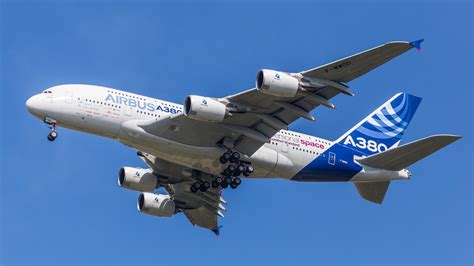
The Airbus A380, with its large seating capacity and operational complexity, has faced a significant decline in popularity over the past few years. Airlines like Qatar Airways, Korean Air, and Asiana Airlines have already begun divesting their A380 fleets, opting for more efficient aircraft that cater to the current demands of the market. For example, US-based airlines have largely moved away from the superjumbo aircraft, preferring smaller, more fuel-efficient planes like the Boeing 787 and the Airbus A350.
Global Airlines’ decision to rely on the A380 is a gamble, considering the challenges of filling such a large aircraft on every flight. With a maximum seating capacity of around 850 passengers, the A380 is designed for high-density routes with consistent demand. However, on many transatlantic routes, particularly those to and from the US, demand for flights is more sporadic, making it difficult to fill the A380’s enormous capacity consistently.
Furthermore, while the A380’s large capacity can be an advantage on high-demand routes, it also presents operational challenges. Airlines must ensure that they are able to fill hundreds of seats, which can become particularly difficult during economic downturns. Global Airlines’ model depends on the ability to sell a significant number of seats in a market that is currently in decline.
Economic Pressures and the Impact on Global Airlines
One of the critical challenges facing Global Airlines is the broader economic environment. A looming US recession, coupled with the uncertainty surrounding geopolitical tensions, could reduce the demand for air travel, particularly on long-haul transatlantic routes. Furthermore, with inflation and rising fuel prices weighing heavily on consumers, many people may choose to cut back on international travel in favor of domestic vacations.
The current economic climate also presents challenges for airlines in terms of operational costs. Fuel prices, which constitute a significant portion of an airline’s expenses, have seen a significant drop in recent months. In April 2025, jet fuel prices were down 14.6% compared to the previous year, providing some relief to airlines. However, the long-term volatility of oil prices means that this trend may not be sustainable, and any future price hikes could lead to higher operational costs for airlines like Global Airlines.
The Market for Premium Travel and the A380’s Potential
Despite the challenges facing the broader airline industry, there is still potential for success in the premium travel segment. Premium and long-haul travel bookings have remained strong, even as overall passenger numbers have declined. The key to Global Airlines’ success lies in its ability to attract these premium travelers, who are less sensitive to economic fluctuations and more likely to choose the luxury and comfort that the Airbus A380 offers.
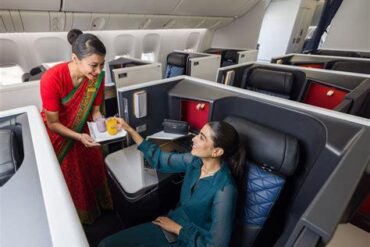
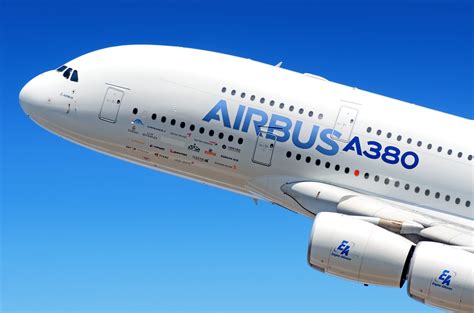
The A380’s spacious cabins, luxurious first-class suites, and large economy sections make it an attractive option for passengers seeking comfort and convenience on long-haul flights. Global Airlines plans to cater to this market with competitive pricing for both economy and premium services, positioning its A380 flights as a unique travel experience. However, the airline will need to ensure that it can maintain demand for its large aircraft, especially on routes that may not have the passenger volume required to justify such a large aircraft.
The Future of Global Airlines: Hope or Hurdles?
It is difficult to predict the future of Global Airlines as it faces an unpredictable and challenging environment. On one hand, the airline’s decision to operate Airbus A380s could prove to be a bold and successful strategy, particularly if demand for premium transatlantic travel continues to rise. On the other hand, the airline’s heavy reliance on the A380 in a market that is showing signs of weakness may prove to be a costly mistake.
The success of Global Airlines will depend on several factors, including its ability to weather economic downturns, geopolitical tensions, and shifting passenger preferences. While the decline in US-bound travel may present significant challenges, it may also create opportunities for airlines that are able to adapt and offer unique services. Global Airlines’ bet on the A380 may either pay off or lead to setbacks, but only time will tell whether this bold strategy can overcome the obstacles it faces.
In conclusion, the decline in US travel presents both challenges and opportunities for Global Airlines as it looks to carve out a niche in the transatlantic market with its fleet of Airbus A380s. The airline’s success will ultimately depend on its ability to navigate the shifting tides of the aviation industry, adapt to changing economic conditions, and meet the needs of an evolving passenger base.