In a historic move, Ireland is set to significantly bolster its air defense capabilities with the acquisition of its first dedicated fighter jets in over half a century. This critical decision reflects a broader shift in Irish defense strategy, breaking a long-standing dependence on foreign air cover. As the Irish Air Corps prepares to re-enter the domain of fast-jet operations, this moment marks a pivotal juncture in the nation’s defense history.
A Long Overdue Modernization
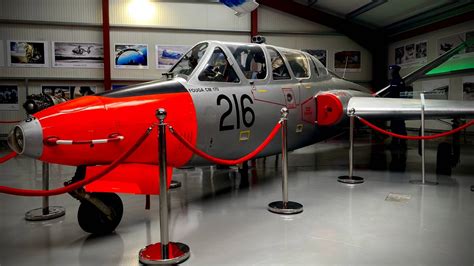
For decades, Ireland has relied heavily on the United Kingdom’s Royal Air Force (RAF) for aerial defense, a dependency that has long been a point of contention among Irish defense strategists. Since the disbandment of the Light Strike Squadron in 1998, which operated the aging Fouga CM170 Magister jets, Ireland has lacked a dedicated combat air capability. The absence of both fighter jets and a comprehensive primary radar system has made the nation’s airspace particularly vulnerable, a reality highlighted by former Irish Air Corps head General Ralph James at the Slándáil 2020 security summit. James emphasized that neutrality alone is not a sufficient defense posture, asserting that Ireland must be capable of denying its airspace to potential aggressors in times of conflict.
The Financial Commitment
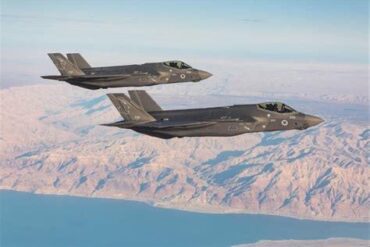
The proposed fighter jet acquisition comes with a significant price tag, estimated at €2.5 billion ($2.69 billion) over a 20 to 25-year period. This includes annual expenditures ranging from €60 million ($64.7 million) to €100 million ($107.9 million) for maintenance, training, and operations. While the exact models under consideration have not been officially disclosed, likely candidates include the Eurofighter Typhoon and the F-16 Fighting Falcon. These fourth-generation multi-role fighters are well-regarded for their versatility, reliability, and proven combat records. Given budgetary constraints, it is less likely that Ireland will opt for fifth-generation platforms like the F-35 Lightning II, despite its cutting-edge stealth and network-centric capabilities.
Ireland’s Jet Fighter Legacy
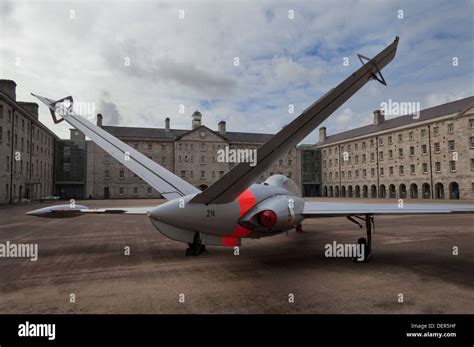
Ireland’s last foray into the realm of jet-powered combat aircraft came with the Fouga CM170 Magister, a French-built jet that served from 1975 to 1999. Originally designed as a primary jet trainer for the Armée de l’Air, the Magister first took to the skies on July 23, 1952, and quickly became a popular choice for smaller air forces around the world. The Magister featured a sleek, compact design with a twin-engine configuration and modest armament, making it a versatile platform for both training and light strike roles.
Technical Specifications of the Fouga CM170 Magister:
- Crew: Two
- Length: 33 feet
- Wingspan: 39 feet 10 inches (including tip tanks)
- Height: 9 feet 2 inches
- Empty Weight: 5,075 lbs
- Gross Weight: 7,187 lbs
- Powerplant: Two Turbomeca Marbore IIA turbojets, 3.9 kN (880 lbf) thrust each
- Max Airspeed: 444 mph (Mach 0.57)
- Service Ceiling: 36,090 ft.
- Range: 575 miles
- Armament (Optional): Two 7.5-mm or 7.62-mm machine guns, underwing hardpoints for rockets, bombs, or Nord AS.11 missiles.
Current State of the Irish Air Corps
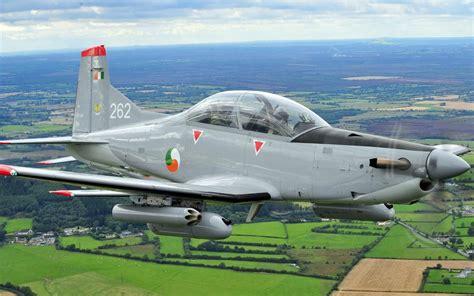
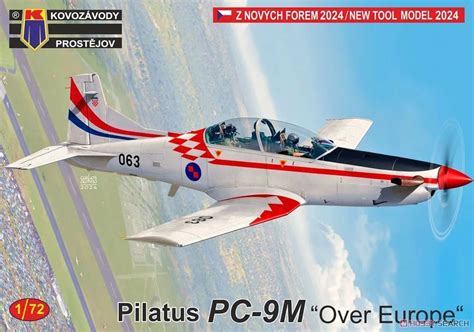
As of December 2023, the Irish Air Corps operates a relatively modest fleet of 23 aircraft and maintains a personnel strength of 689. The most advanced fixed-wing platforms in its current inventory are Pilatus PC-9M turboprop trainers, which, while capable of being armed for close air support (CAS) missions, lack the speed and advanced sensor suites necessary for effective air defense. These aircraft, acquired in 2004, have a maximum airspeed of 320 knots (368.2 mph) and are typically used for pilot training and maritime patrol operations.
The Strategic Importance of Air Sovereignty
For a nation that fiercely guards its neutrality, this move signals a critical reassessment of Ireland’s strategic posture. The acquisition of modern fighter jets represents not only a technological upgrade but also a profound shift in defense philosophy. In an era where airspace sovereignty is closely tied to national security, Ireland’s decision to invest in combat airpower underscores a broader commitment to self-reliance and regional stability.
As Ireland prepares to embark on this ambitious modernization, the eyes of the world will be watching closely, with interest from allies and potential adversaries alike. The return of Irish fast jets will mark a new chapter in the history of the Irish Air Corps, reaffirming the nation’s commitment to protecting its airspace and maintaining its security in an increasingly complex global landscape.