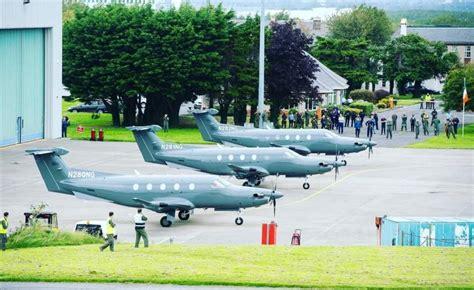
The Irish Air Corps—known in Irish as An tAerchór—has long been a critical component of Ireland’s Defence Forces, embodying a legacy of vigilance and loyalty since its formal establishment in 1924. Operating out of Casement Aerodrome in Baldonnel, the Air Corps today fields a compact yet versatile force of 689 active personnel and a fleet of 23 primary aircraft, complemented by additional units dedicated to the Garda Air Support Unit. Despite its size, the Air Corps represents a linchpin in Ireland’s defense and security architecture, offering fixed-wing and rotary capabilities essential for national security, civil support, and international cooperation.
The Founding and Early Evolution of the Irish Air Corps
Tracing its origins to the National Army Air Service (1922–1924), the Air Corps first took shape amid the turbulence following Irish independence. Starting with just ten surplus WWI-era aircraft—notably the Bristol F2B and Martinsyde models—the service rapidly evolved, officially becoming the Army Air Corps in 1924. The 1930s heralded significant modernization efforts, as Ireland procured aircraft such as the Gloster Gladiators and reconnaissance units like the Avro Ansons, which set the stage for its pivotal, albeit non-combative, role during World War II, known locally as The Emergency.
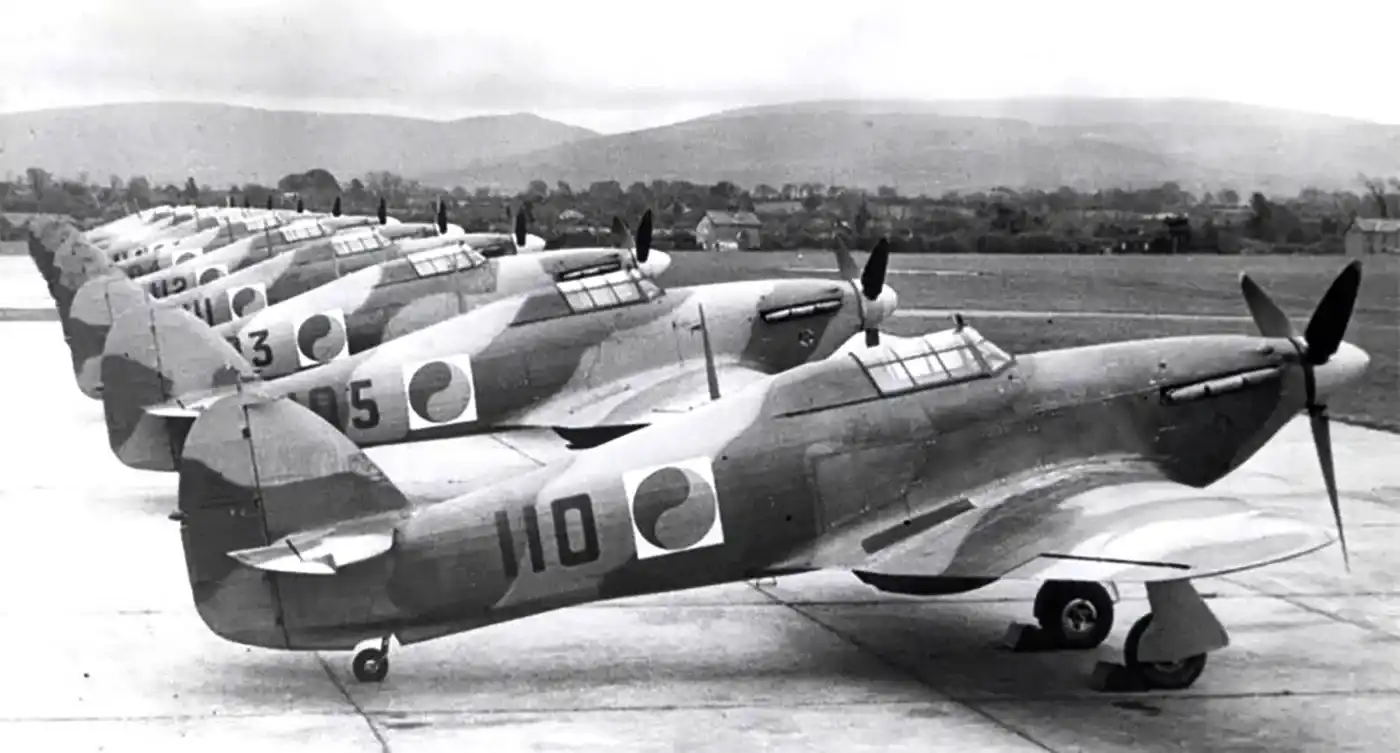
The war years saw the Air Corps bolster its fleet with Hawker Hectors and Hurricanes Mk I/II, acquired from surplus RAF stockpiles. Interned belligerent aircraft—including the Lockheed Hudson and Fairey Battle—also temporarily augmented the fleet. While Ireland maintained a neutral stance, these additions underlined the Corps’ commitment to national sovereignty during uncertain times.
Cold War Dynamics and Technological Progress
In the aftermath of WWII, the Air Corps transitioned from piston-driven aircraft to jet propulsion with the introduction of de Havilland Vampires in 1956, marking a significant leap in its combat and training capabilities. These were later replaced by the Fouga Magister jets (1975–76), which served not only as trainers and light strike aircraft but also became renowned for their aerobatic performances under the banner of the Silver Swallows display team.
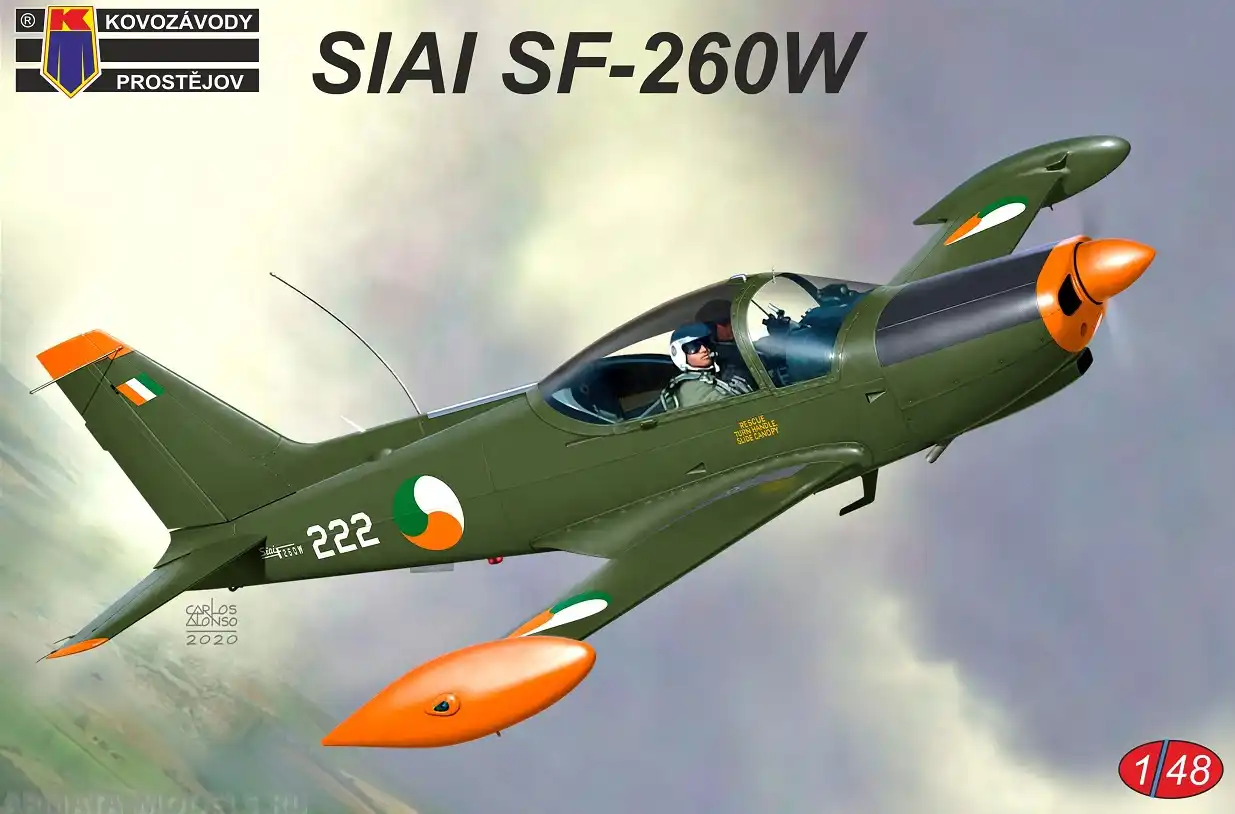
The 1970s and 80s were characterized by a dual focus on modernization and versatile mission support. The Corps diversified into film support roles, providing aircraft for movies such as The Blue Max and Richthofen & Brown. Concurrently, platforms like the Marchetti SF.260 Warriors underscored its commitment to ground attack training and readiness. Light aircraft, including the Cessna FR.172, enabled coastal and border patrols during the politically fraught period of the Northern Ireland conflict.
Rotary Evolution and Expanded Capabilities
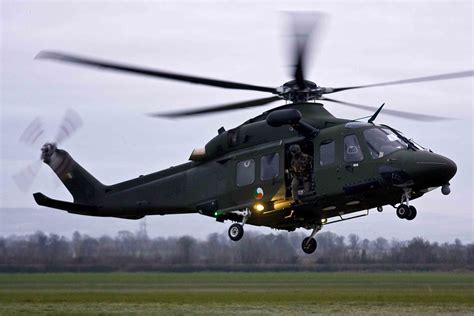
The Air Corps’ rotary-wing operations began earnestly with the induction of the Alouette III in the 1960s, followed by the Gazelle and Dauphin II in subsequent decades. These helicopters fulfilled critical roles ranging from search and rescue (SAR) to air ambulance services and troop transport, forming an indispensable component of Ireland’s domestic response capabilities. However, following a strategic realignment in 1991, the Irish Coast Guard assumed SAR responsibilities, allowing the Air Corps to focus more acutely on army cooperation and civil tasks.
In the 21st century, modern platforms such as the AW139 and EC135 P2 have taken center stage, ensuring continued operational excellence in medical evacuations and tactical support. Notably, the AW139 has become synonymous with the air ambulance service since its full deployment in 2012.
21st Century Modernization and Operational Highlights
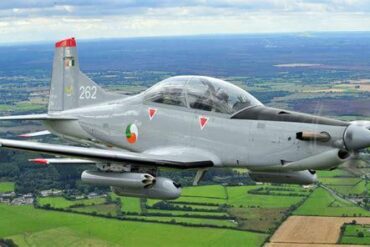
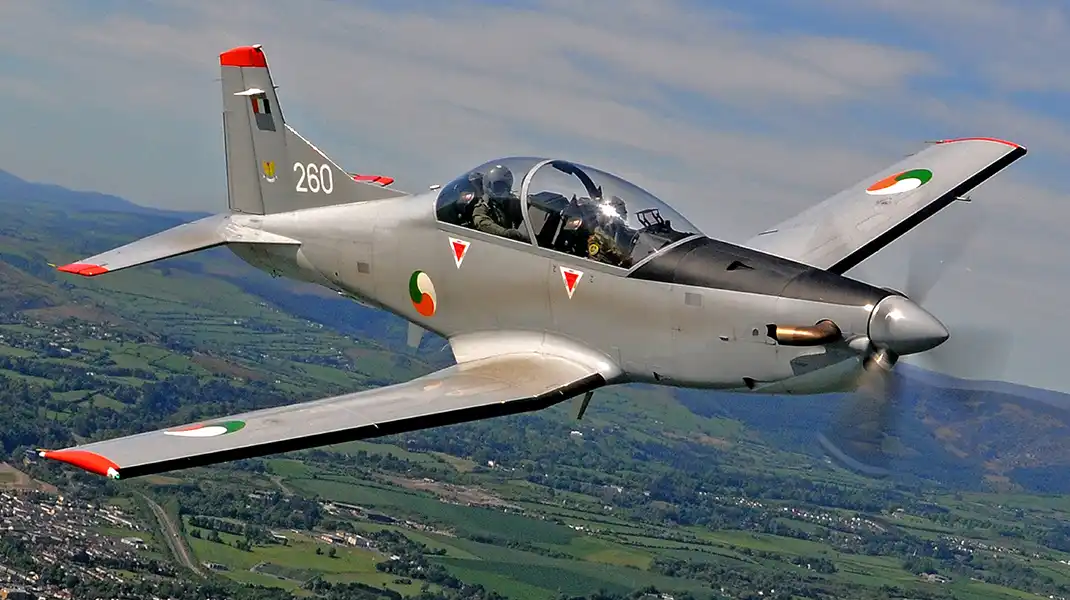
Entering the new millennium, the Air Corps further professionalized its fleet, introducing the Pilatus PC-9M in 2004, equipped with ejection seats and light-attack capability. Despite tragedy striking in 2009 with a fatal PC-9M crash, resilience saw a replacement aircraft delivered by 2017, ensuring the continuity of this key training and operational asset.
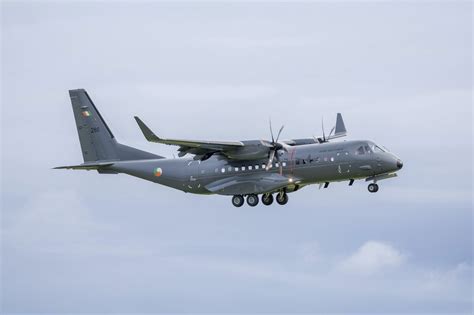
Strategic transport capabilities were strengthened through platforms like the Gulfstream III/IV and Learjet 45, although budgetary recalibrations have since seen a downsizing of the Military Air Transport Service (MATS). Maritime patrol and surveillance remain critical, with the transition from the King Air to the CASA CN-235 MPA boosting Ireland’s ability to monitor its extensive Exclusive Economic Zone (EEZ).
The Air Corps has also proven its mettle in international humanitarian missions, facilitating evacuations during the Libya crisis in 2011, and playing roles—albeit with allied assistance—in critical operations such as Kabul 2021 and Sudan 2023.
Structural Organisation and Command
Under the stewardship of Brigadier General Rory O’Connor, the Air Corps is meticulously structured for both operational agility and technical excellence. Its core is divided into key wings:
- 1 Operations Wing: Oversees fixed-wing operations, encompassing surveillance, transport, and photographic reconnaissance.
- 3 Operations Wing: Manages rotary-wing missions, from tactical support and Garda collaboration to aeromedical tasks.
- 4 & 5 Support Wings: Responsible for mechanical and avionics maintenance, logistics, air traffic control, and medical readiness.
- Communications and Information Services (CIS) Squadron: Ensures robust ground communications, radar, and IT support.
- Air Corps College: Trains the next generation of aviators and technical experts, maintaining institutional knowledge and high standards.
Current Inventory and Future Roadmap
The Air Corps currently fields a sophisticated mix of platforms, including the Airbus C295 MPA, Pilatus PC-12NG, and a fleet of AW139 and EC135 helicopters. Significant updates are on the horizon, with the Falcon 6X expected in 2025 to replace the Learjet, and the H145M slated for delivery from 2027 onwards.
Weapons and armaments feature a robust suite: Heckler & Koch USP sidearms, Steyr AUG rifles, FN MAG machine guns, M2 Browning heavy machine guns, and LAU-7 rocket pods, underlining readiness across mission profiles.
However, critical gaps remain, notably in primary radar and interceptor jet capabilities—currently outsourced to the Royal Air Force. The Defence Commission’s 2022 report has outlined a roadmap for rectifying these through phased investments: the Level of Ambition 2 (€1.5 billion by 2028) and the more expansive Level of Ambition 3 (€2.97 billion), targeting new helicopters, radar installations, strategic transport, and the formation of a reserve component.
Strategic Vision: Toward an Irish Air Force
Calls for rebranding the Air Corps as the Irish Air Force signal a pivotal moment in its evolution. Such a move would symbolize not just a name change but a redefinition of its operational scope and strategic autonomy. With commitments in place for personnel expansion, technological renewal, and doctrine enhancement, the Corps stands poised at the threshold of transformative change.
As it navigates this journey, the Irish Air Corps remains, as ever, Watchful and Loyal, prepared to uphold Ireland’s sovereignty and meet emerging security challenges with discipline, precision, and unwavering commitment.