The TSA’s 3-1-1 liquid rule has become an enduring symbol of post-9/11 air travel security. Instituted after a foiled terrorist plot in 2006, the rule transformed international flight protocols and fundamentally changed how travelers pack, move, and perceive airport security. While its core function is to enhance passenger safety, the broader consequences of the rule span global airport operations, passenger convenience, and future innovation in travel screening technology.
The Origin and Mechanics of the 3-1-1 Rule
The Transportation Security Administration (TSA) introduced the 3-1-1 rule in response to a coordinated plot to detonate liquid explosives on transatlantic flights from the UK to the United States. Security experts worldwide collaborated to design a preventive strategy, resulting in the categorization of LAGs (Liquids, Aerosols, and Gels) under a single regulatory framework.
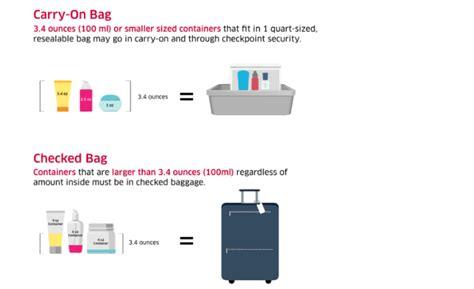
The name “3-1-1” encapsulates three simple but critical rules:
- 3: Each liquid container must be no more than 3.4 ounces (100 milliliters).
- 1: All such containers must fit in one quart-sized, clear, resealable plastic bag.
- 1: Only one bag per passenger is allowed through the security checkpoint.
These rules are mandatory for all carry-on baggage and apply to common items like shampoo, lotion, peanut butter, toothpaste, and facial creams. The aim is to restrict the volume of potentially hazardous substances, minimizing the risk of liquid-based threats while maintaining a reasonable level of passenger convenience.
The Global Reach: More Than Just a U.S. Rule
Although the TSA introduced the regulation, its principles quickly spread beyond U.S. borders. International aviation authorities—including those in Europe, Asia, and Australia—adopted similar protocols, especially for flights heading to or arriving from the United States. The International Civil Aviation Organization (ICAO) played a pivotal role in encouraging member states to standardize these safety practices.
For international travelers, this has created a uniform yet restrictive packing routine. It’s not just a matter of complying with U.S. policy—it’s about aligning with a globally accepted standard. As a result, airports across the world have redesigned their security zones, retrained their staff, and updated their communication materials to reflect the 3-1-1 compliance requirements.
For frequent flyers and tourists, this consistency is helpful yet occasionally inconvenient. Packing for long-haul or multi-leg journeys demands meticulous planning and often involves decanting full-size toiletries into miniature bottles, or risking confiscation at the gate.
The Tech Revolution: 3D Imaging and the Hope for Change
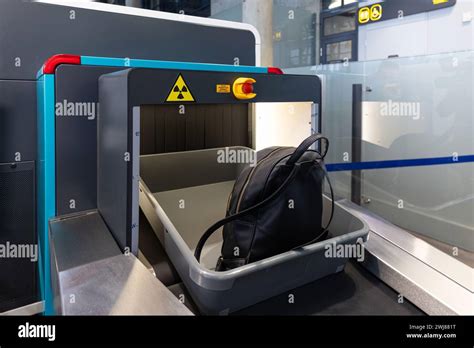
In recent years, airport security technology has seen rapid advancements, particularly in the area of Computed Tomography (CT) scanners and 3D imaging systems. These high-resolution devices offer a more detailed and accurate view of items inside baggage, enabling officers to detect threats without requiring passengers to remove items or limit volumes.
Several European airports, including London Heathrow and Amsterdam Schiphol, initially announced intentions to lift liquid restrictions by 2024. However, logistical setbacks and delayed implementation have pushed that timeline indefinitely. Meanwhile, U.S. airports are gradually incorporating CT technology, though a nationwide rollout remains years away.
The TSA has publicly acknowledged the long-term goal of eliminating the 3-1-1 rule. Yet experts warn that these changes might not be fully realized until 2040 or later, citing budget constraints, infrastructure demands, and evolving security threats.
Exceptions to the Rule: Medical, Infant, and Duty-Free Considerations
Despite its rigid framework, the 3-1-1 rule includes critical exceptions for health, caregiving, and international shopping needs. These allowances ensure that security protocols don’t compromise essential care or disrupt international commerce.
Medical and Health-Related Exemptions
Travelers carrying prescription medications, inhalers, liquid nutrition, or contact lens solution may exceed the 3.4-ounce limit. These items must be clearly labeled and declared during the screening process. TSA officers may perform X-rays, vapor testing, or explosive trace detection. If a traveler declines container opening, alternative screening options such as Advanced Imaging Technology (AIT) or a manual pat-down are offered.
Infant and Child Care Allowances
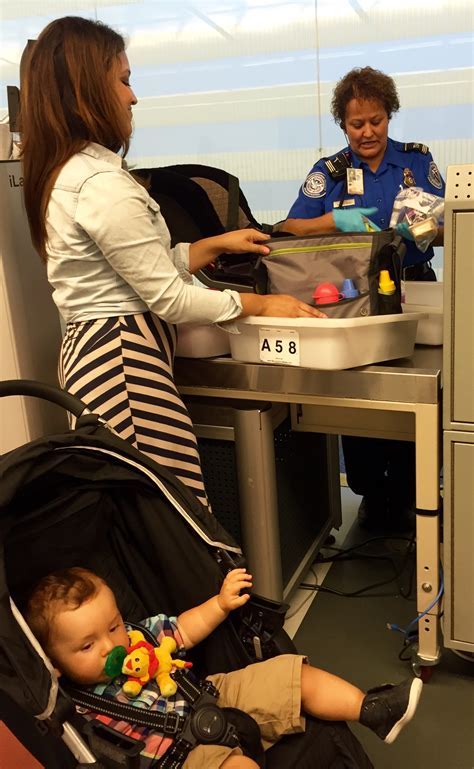
Parents are permitted to carry breast milk, formula, baby food, and sterilized water in volumes above the standard limit. These are classified as medically necessary and do not require the child to be present. Containers should be clear and easy to inspect. The TSA encourages transparent packaging to reduce delays and facilitate efficient screening.
Temperature-Controlled Items
Frozen gel packs used for medical transport or breast milk preservation are allowed, provided they are solid at the time of screening. If partially melted, they count toward the liquid allowance. Additional medical equipment, including IV bags and syringes, is also permitted without volume constraints.
Food and Biological Samples
Surprisingly, travelers are also allowed to bring live lobsters, live fish, fresh eggs, and scientific samples, provided they are packaged per TSA guidelines. Liquid components in biological specimens must not exceed 30 milliliters per container and must be securely sealed.
Navigating Electronic Devices and Duty-Free Purchases
As part of modern travel routines, electronic devices are almost always packed in carry-ons. Batteries—especially wet, non-spillable ones with under 100 watt-hours—are allowed. This specification ensures that common travel gadgets like cameras, laptops, and power banks remain exempt from stricter restrictions.
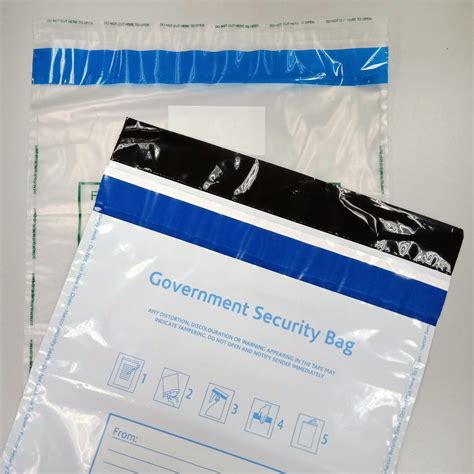
International travelers often face dilemmas around duty-free liquid purchases. These can include perfumes, wine, and specialty spirits. The TSA permits such items only if they are sealed in ICAO-approved tamper-evident bags and accompanied by proof of purchase. This applies to international return flights only, and even then, connecting flights within the U.S. may trigger secondary checks.
Human Element: TSA Discretion and Real-World Enforcement
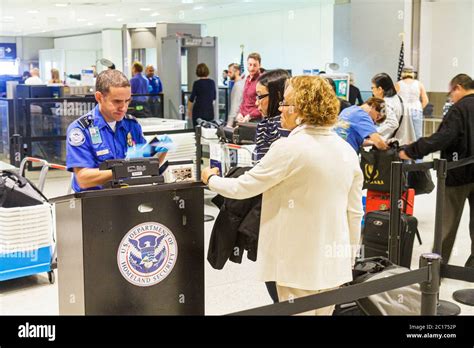
Regardless of guidelines and exceptions, TSA officers have final discretion at all checkpoints. If any liquid item triggers an alarm—due to improper packaging, unclear labeling, or anomalies in scanning—it may be confiscated. Officers evaluate each case based on real-time threat assessments, meaning compliance with the 3-1-1 rule does not guarantee item clearance.
This human element ensures security remains flexible and responsive but introduces a degree of unpredictability that many travelers find frustrating. Experiences vary widely depending on the airport, time of day, staffing levels, and the specific judgment of the officer on duty.
Broader Impacts on the Travel Industry
The ripple effect of the 3-1-1 rule reaches far beyond travelers. Airlines and airport authorities have invested millions into updating infrastructure, staff training, signage, and public education. Retailers inside airports have shifted focus toward travel-sized products, altering supply chains and inventory strategies.
The rule has also delayed boarding times, increased security line congestion, and created emotional stress for travelers unfamiliar with the regulations. On the flip side, it has spurred innovation in baggage scanning, container design, and packaging transparency.
For the global tourism economy, especially in regions dependent on international visitors, the 3-1-1 rule represents both a barrier and an opportunity. The barrier lies in the inconvenience; the opportunity lies in investing in technologies and services that streamline compliance and elevate the passenger experience.
Looking Ahead: Will the Rule Ever Disappear?
The future of the 3-1-1 rule remains uncertain. While technological advancements suggest a world where these limitations may no longer be necessary, real-world implementation lags behind aspiration. The TSA’s cautious approach, paired with inconsistent global adoption of advanced scanning technology, indicates that these restrictions may persist for at least another decade.
For now, travelers must remain vigilant, informed, and prepared. The liquid rule, though often criticized, remains a cornerstone of modern aviation safety—and until the next evolution in airport screening arrives, it will continue to define the pre-boarding experience for millions around the world.