On June 19, 2025, Indian aviation faced a rare but serious dual emergency when two separate commercial flights—IndiGo’s Airbus A320 from Delhi to Leh and SpiceJet’s Bombardier Q400 from Hyderabad to Tirupati—were forced to execute mid-air turnarounds due to technical snags. Though no injuries were reported, the incidents have drawn immediate attention from regulatory authorities, prompting comprehensive safety audits and raising pressing questions about aircraft maintenance standards and operational reliability amid India’s rapidly expanding air traffic.
IndiGo Airbus A320: Emergency Return to Delhi Amid High-Altitude Risk
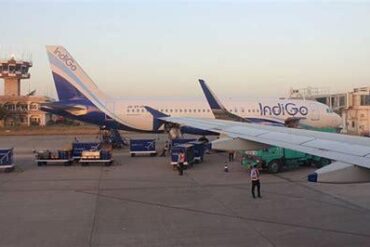
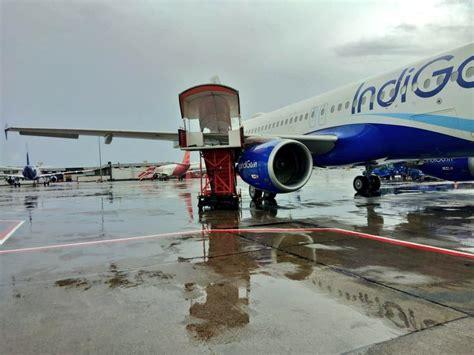
The day began with IndiGo flight 6E 2006, which had just taken off from Delhi’s Indira Gandhi International Airport en route to Leh, a destination known for its challenging terrain and high-altitude operating conditions. About 20 minutes into the flight, the aircraft’s onboard systems issued a technical alert, prompting the crew to make an immediate assessment.
The Airbus A320 was carrying approximately 180 passengers and crew. Given the nature of flying into Leh—where terrain requires sharp approach patterns and minimal margin for technical irregularities—the crew opted to return to Delhi as a precautionary safety measure. The landing was executed without incident, and passengers were later transferred to a different aircraft to complete their journey.

IndiGo issued a formal statement emphasizing adherence to safety procedures. “Our crew responded with professionalism and followed standard operating protocols. The aircraft is currently undergoing full inspection by our maintenance teams,” the airline noted.
SpiceJet Q400: Aft Door Alert Forces Mid-Air Return to Hyderabad
Later the same day, a similar situation unfolded onboard SpiceJet flight SG 2696, a Bombardier Q400 turboprop aircraft en route from Hyderabad to Tirupati. As the plane climbed to cruising altitude, the cockpit began showing intermittent warnings related to the aft baggage door.
Though no pressurization issues or cabin anomalies were observed, the flight crew decided not to take risks and returned to Rajiv Gandhi International Airport in Hyderabad. The aircraft landed safely, and all passengers were promptly deboarded. SpiceJet arranged an alternate aircraft to transport the passengers to Tirupati.
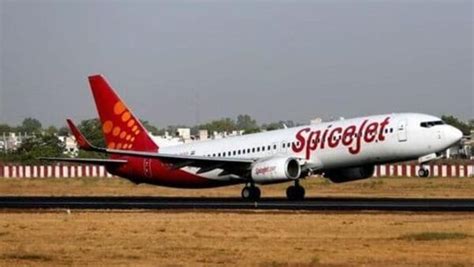
The aircraft has since been grounded for thorough diagnostics. Engineers are examining the alert system and mechanical seals on the baggage hatch to ensure there are no faults that could affect future operations.
Aviation Safety in Focus: Regulatory Oversight Activated
While both incidents were managed without casualties, their proximity in timing has led to heightened regulatory attention. India’s Directorate General of Civil Aviation (DGCA) has initiated a formal review of both events. Preliminary efforts will focus on assessing system logs, flight data recorders, cockpit voice records, and recent maintenance histories.
DGCA insiders confirmed that “though these appear isolated, they reflect systemic challenges in maintaining operational safety during an intense flight schedule.” The agency is expected to issue technical advisories to both IndiGo and SpiceJet, and possibly to other carriers operating similar aircraft types, depending on the findings.
Industry observers also expect the DGCA to enhance random inspections and ramp up auditing frequencies, especially for regional routes where aircraft turnover is high and maintenance cycles are tightly scheduled.
Why Leh Demands Absolute Flight Precision
Operating a flight to Kushok Bakula Rimpochee Airport in Leh is unlike typical commercial routes. Sitting at over 10,000 feet above sea level, Leh is surrounded by Himalayan terrain, requiring non-standard approach patterns, increased engine performance, and robust avionics.
Any technical fault, especially in flight control, pressurization, or thrust systems, can escalate rapidly in such conditions. Hence, the crew’s decision to abort the flight early into the journey demonstrates not just procedural compliance but a deep understanding of aeronautical risk management.

Fleet Pressures and Maintenance Backlogs
India’s aviation sector is experiencing an unprecedented surge in passenger volumes, particularly post-pandemic. Airlines have ramped up schedules, sometimes operating aircraft on high-frequency, short-haul sectors with little downtime. This high rotation increases wear and tear, especially for older models like the Q400, which, while reliable, require frequent and thorough inspections.
Both the Airbus A320 and Bombardier Q400 are workhorses of Indian skies. However, their reliability depends significantly on maintenance regimes. Experts point to the increasing need for predictive diagnostics, real-time system monitoring, and data-driven maintenance scheduling to preempt such mid-air issues.
Insiders also warn of a shortage of trained aircraft engineers and maintenance personnel, which, if unaddressed, could lead to operational vulnerabilities.
Airline Response and Passenger Management
Despite the high-stakes situations, both IndiGo and SpiceJet handled the incidents smoothly, ensuring passenger communication was clear and timely. Onboard announcements and professional crew conduct helped maintain calm. In both cases, alternate aircraft were dispatched swiftly, ensuring passengers faced minimal delays.
Travelers, though inconvenienced, expressed appreciation for the airlines’ focus on safety. “The captain kept us informed, and we were back in the terminal before most of us could even panic,” said a passenger from the IndiGo flight.
Such effective crisis communication and logistics management reflect well on the airlines’ operational maturity and underline the value of investing in scenario planning and emergency training.
Historical Context: Not India’s First Mid-Air Alert
While rare, mid-air returns due to technical anomalies are not unprecedented in Indian aviation. Over the past few years, there have been instances involving engine shutdowns, sensor malfunctions, and cabin pressure issues across several carriers. Each incident has historically prompted temporary groundings, fleet inspections, or manufacturer recalls.
What makes the June 19 double incident significant is its timing and symbolism—two major Indian carriers experiencing safety-triggered flight returns on the same day, leading to an immediate and collective introspection across the aviation ecosystem.
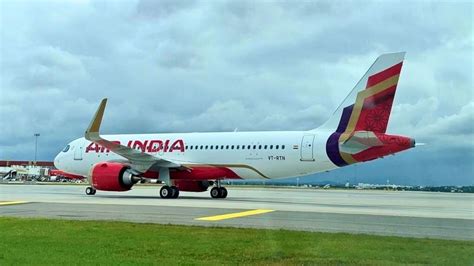
Next Steps: Investigations and Preventive Measures
Investigative teams are expected to release preliminary findings within a few days, with full reports following in a few weeks. Depending on the technical conclusions, the DGCA may:
- Mandate software or hardware upgrades for the aircraft involved.
- Require extended turnaround times for specific sectors.
- Introduce training refreshers for engineering crews.
- Consider temporary route adjustments for high-risk destinations like Leh.
Airlines, meanwhile, are preemptively auditing their entire fleets, scrutinizing maintenance logs, and ensuring sensor calibrations and alert thresholds are operating within certified margins.
Broader Industry Implications
The events of June 19 serve as a wake-up call to India’s rapidly scaling aviation sector. While growth remains a success story, it must be underpinned by resilient infrastructure, continuous upskilling, and uncompromising safety protocols.
As domestic and regional connectivity grows—with new airports being opened and older ones upgraded—the need for a national maintenance framework that ensures consistency across carriers and regions becomes imperative. Independent aviation analysts have called for:
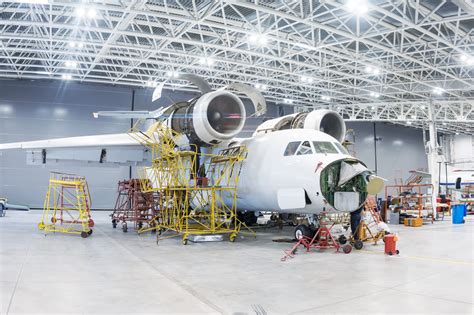
- Greater investment in MRO (Maintenance, Repair, and Overhaul) facilities.
- Development of AI-driven predictive maintenance software.
- Public transparency on safety ratings and incident disclosures.
Conclusion: A Critical Juncture for Aviation Vigilance
The simultaneous emergency landings of IndiGo and SpiceJet flights on June 19, though unrelated in cause, collectively underline the delicate balance airlines must maintain between operational efficiency and uncompromised safety. The professionalism displayed by both flight crews and the rapid follow-up by airline operations and the DGCA indicate that India’s aviation safety culture is evolving, yet must evolve faster.
As flight frequency rises, so too must vigilance. The incidents serve not as a critique but as a real-time stress test of India’s aviation systems. The next steps—root cause analyses, technical updates, and regulatory responses—will determine whether the country can match its aviation ambitions with long-term safety and reliability excellence.