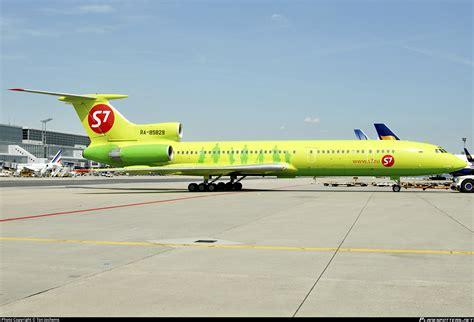
S7 Airlines has introduced an unusual operational restriction that temporarily prevents most first officers from conducting landings across much of its route network after a series of hard-landing events prompted concerns about aircraft availability and maintenance disruptions. The measure, which took effect on June 1, 2026, is scheduled to remain in force until October 1 and reflects the growing pressure facing Russian carriers as they seek to preserve fleet reliability amid continuing sanctions and technical challenges.
The decision has drawn attention across the aviation industry because first officers traditionally perform a significant share of landings as part of normal cockpit duty rotation. The practice is considered essential for maintaining flying skills and preparing pilots for future command responsibilities. Restricting those opportunities across a large network is rare among major commercial airlines and highlights the importance S7 is placing on operational stability.
According to reports from Russian aviation media, the airline introduced the policy after several landings generated excessive vertical loads, requiring inspections and creating risks of aircraft downtime. Internal reviews are reportedly examining whether common factors exist behind the events and whether changes in training or procedures are necessary to prevent similar incidents in the future.
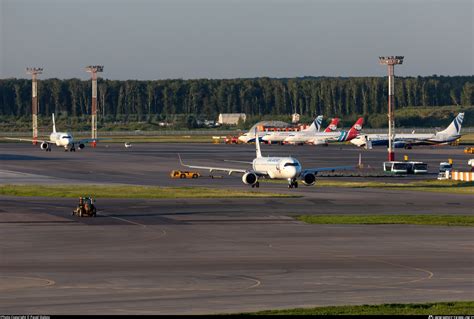
S7 Airlines Limits Landing Duties To Selected Airports
Under instructions reportedly issued by the carrier’s Deputy General Director for Flight Operations, first officers are only authorized to perform landings at a limited number of designated airports. These include Moscow Domodedovo Airport, Novosibirsk, Irkutsk—with the exception of Runway 12—and Vladivostok. At most other destinations within the network, the captain is required to assume landing responsibilities.
The airline’s primary objective is to reduce the frequency of heavy touchdowns that can trigger maintenance inspections. Even when a hard landing does not result in visible damage, aircraft manufacturers require technicians to inspect landing gear components and structural sections to ensure the aircraft remains airworthy. Such inspections can remove aircraft from service and disrupt schedules.
S7 reportedly believes that assigning landings primarily to captains for several months will help ensure smoother operations while investigators assess the underlying causes behind recent events.
Why Hard Landings Create Serious Operational Problems
A hard landing occurs when an aircraft touches down with greater-than-normal vertical force. Although modern airliners are designed to withstand substantial loads, excessive impact forces can initiate mandatory maintenance checks. These inspections focus on structural integrity, landing gear assemblies, tires, brakes, and supporting components.
For airlines operating large networks with tight schedules, unexpected inspections can have cascading effects. Aircraft may be temporarily grounded, replacement equipment may be unavailable, and delays can spread throughout the system. Under ordinary circumstances, carriers can absorb such disruptions relatively easily, but Russian airlines face a more complicated environment due to restrictions affecting spare parts and technical support.
Flight Data Monitoring Plays A Bigger Role
The temporary landing restriction coincides with expanded use of flight data analysis. Modern commercial aircraft record thousands of operational parameters during every flight, allowing airlines to detect trends before they evolve into major safety concerns.
Reports indicate that S7 instructors have been directed to conduct regular reviews of flight data monitoring information to identify pilots or operational conditions associated with elevated landing loads. When unusual patterns are discovered, more comprehensive evaluations of previous flights can be conducted.
This data-driven approach has become increasingly important throughout the airline industry. Instead of relying exclusively on incident reports, carriers can analyze objective information gathered during routine operations to identify areas requiring additional training or procedural adjustments.
Training Exceptions Preserve Pilot Qualification Requirements
Although the restrictions affect routine operations, they do not completely eliminate landing opportunities for first officers. Pilots participating in line training programs, qualification exercises, and supervised instructional flights are exempt from the ban.
These exceptions are designed to ensure regulatory requirements continue to be met. Maintaining pilot proficiency remains essential, particularly for less experienced first officers who are progressing toward captain upgrades. Training flights conducted with instructors allow the airline to continue evaluating and developing pilot skills while limiting exposure during standard commercial operations.
Nevertheless, aviation specialists note that several months of reduced landing opportunities could affect the pace at which junior pilots accumulate practical experience. Landing is among the most technically demanding phases of flight and regular repetition plays a crucial role in maintaining proficiency.
Broader Safety Measures Extend Beyond Landings
The landing restrictions are not the first sign of tighter cockpit discipline at S7 Airlines. Earlier reports from Russian tourism and aviation outlets suggested the carrier had also strengthened regulations regarding personal electronic devices used by pilots and cabin crews.
Those measures reportedly imposed stricter controls on mobile phones and other electronic equipment during operations. Together with expanded flight data analysis and temporary landing restrictions, the initiatives illustrate a broader effort aimed at reinforcing procedural discipline and operational safety.
Sanctions Continue To Reshape Russian Aviation
The backdrop to these developments remains the continuing impact of international sanctions imposed after Russia’s invasion of Ukraine. Western aircraft manufacturers have suspended much of their support, spare parts supply chains have become more complicated, and Russian carriers have increasingly relied on domestic repair capabilities and predictive maintenance programs.
These constraints have elevated the importance of avoiding unnecessary maintenance events. A hard landing that grounds an aircraft for inspection carries greater consequences when replacement components are harder to obtain and fleet availability is under constant pressure.
Industry observers have compared Russia’s evolving approach to practices developed in Iran, where decades of sanctions encouraged airlines to maximize fleet longevity through enhanced maintenance strategies and stricter operational controls.
Balancing Pilot Development With Fleet Reliability
S7 Airlines describes the restrictions as temporary, but the move underscores the difficult choices facing carriers operating in constrained environments. Airlines must maintain pilot competency while simultaneously protecting fleet availability and minimizing operational disruptions.
Whether the policy succeeds in reducing hard-landing incidents without creating unintended consequences for pilot development remains uncertain. However, the measure provides another example of how Russian airlines are adapting procedures to cope with extraordinary pressures and preserve reliability in one of the world’s most challenging aviation environments.